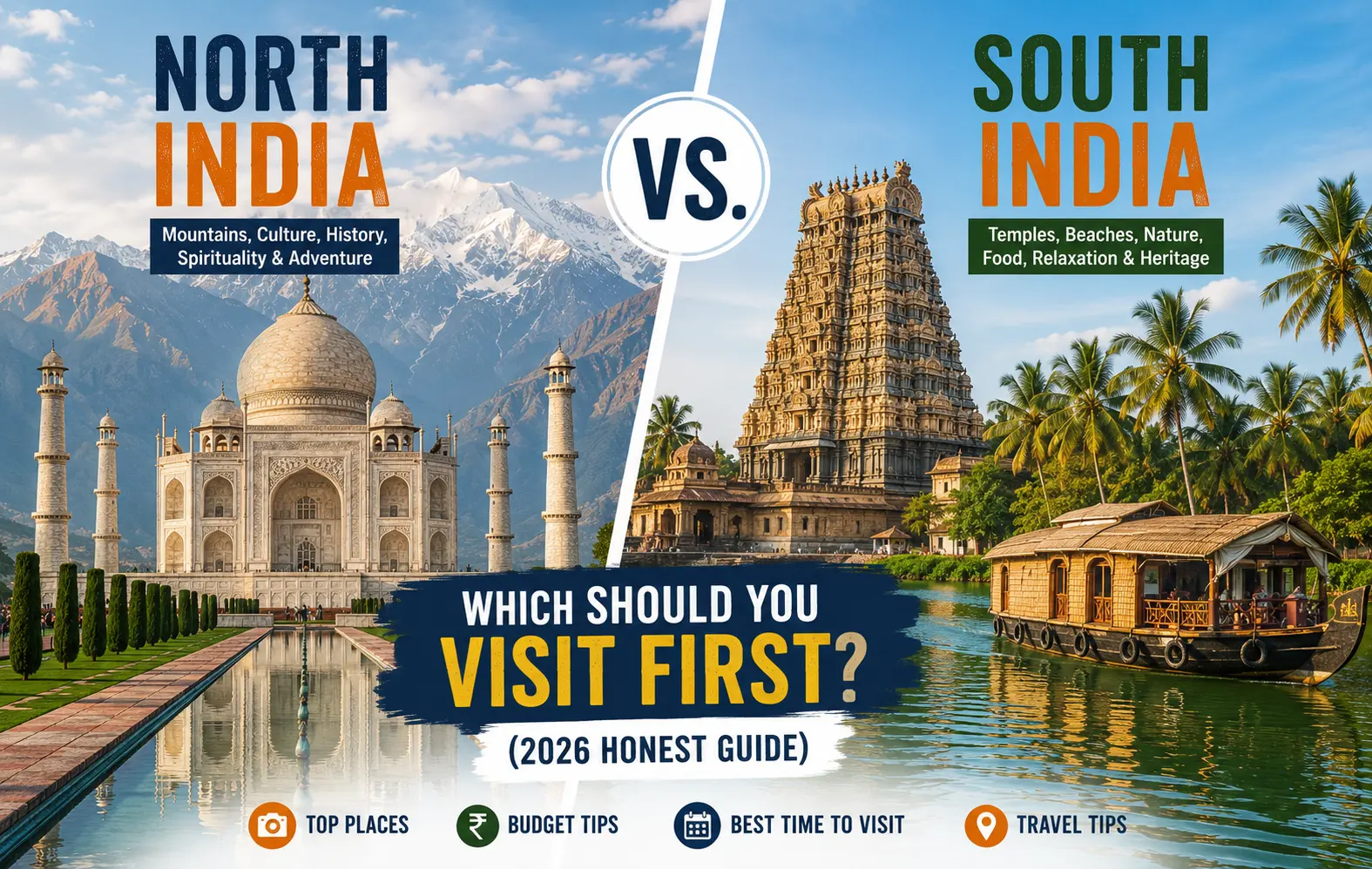
(2026 Honest Guide for International Travellers)
By Mukesh Sain | Founder, My Dream India Tour | Jaipur, Rajasthan Last Updated: 2026 | Reading Time: 13 minutes
There is a question I receive regularly from guests who are planning their very first India trip — and it is the one that genuinely does not have a single right answer.
"Mukesh, should I visit North India or South India first? Which one is better for me?"
I understand the dilemma completely. India is enormous — bigger than most first-time visitors imagine — and the choice between North and South is not simply a matter of geography. It is a choice between two completely different countries that happen to share a border, a name, and a passport control.
The Taj Mahal and the Kerala backwaters. Butter chicken and masala dosa. Mughal forts and Dravidian temples. The Thar Desert and the Western Ghats. Varanasi's ghats and Kochi's Chinese fishing nets.
North and South India are not just different destinations. They are different civilisations — different languages, different cuisines, different architectural traditions, different climates, and entirely different travel rhythms.
After ten years of helping guests from the USA, UK, Canada, France, and Germany navigate exactly this decision, here is the honest, experience-based guide that actually helps.
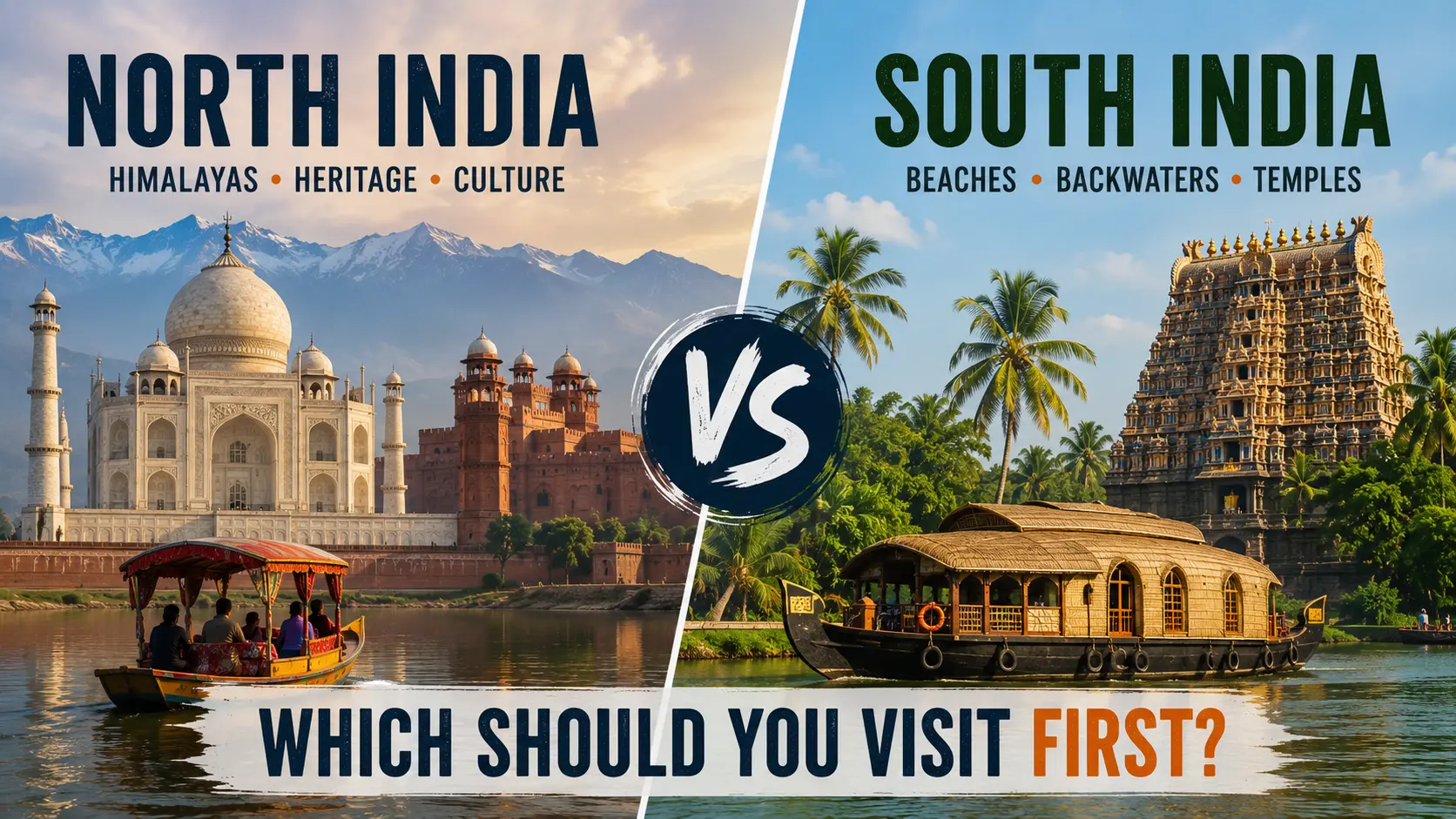
Most first-time visitors should start with North India — it is home to the Taj Mahal, Delhi, and Jaipur, offering the classic "Incredible India" experience with iconic monuments, Mughal history, and Rajput royal heritage. Approximately 65–70% of first-time international visitors choose North India first, largely due to the Taj Mahal's status as India's most-searched landmark.
Choose South India first if you prefer beaches, backwaters, temples, and a more relaxed pace — or if you are specifically drawn to Kerala's extraordinary nature and Tamil Nadu's ancient Dravidian temple architecture.
|
Factor
|
North India
|
South India
|
|
Climate
|
Seasonal — 5°C winters, 45°C summers
|
Tropical — 25–32°C year-round
|
|
Best Time
|
October to March
|
November to February
|
|
Major Languages
|
Hindi, English
|
Tamil, Telugu, Kannada, Malayalam, English
|
|
Famous Monuments
|
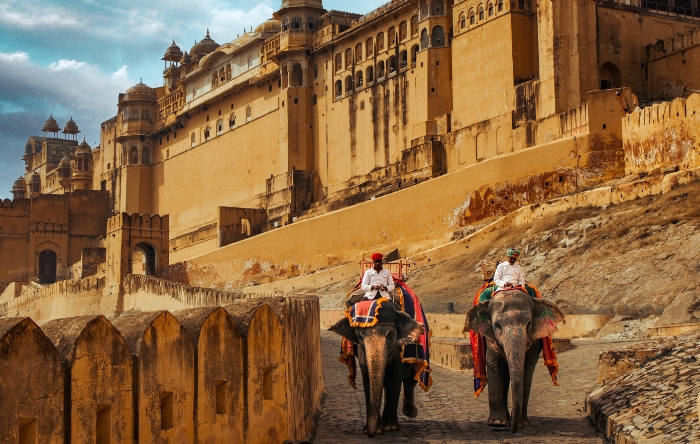
Taj Mahal, Red Fort, Amber Fort
|
Meenakshi Temple, Hampi, Mahabalipuram
|
|
Cuisine
|
Rich, wheat-based, Mughal influence
|
Light, rice-based, coconut + seafood
|
|
Landscape
|
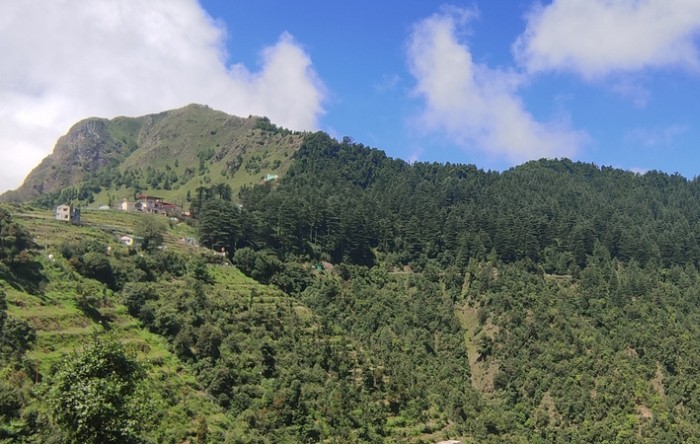
Desert, Himalayan foothills, plains
|
Backwaters, tropical forest, beaches
|
|
UNESCO Sites
|
6+ in Golden Triangle circuit alone
|
Fewer globally famous, deeply significant
|
|
Pace
|
Fast, energetic, intense
|
Slower, calmer, more organised
|
|
Best For
|
First-timers, monument lovers
|
Nature lovers, foodies, repeat visitors
|
|
Ease of Travel
|
More tourist infrastructure
|
Generally easier, less hustle
|
|
Wildlife
|
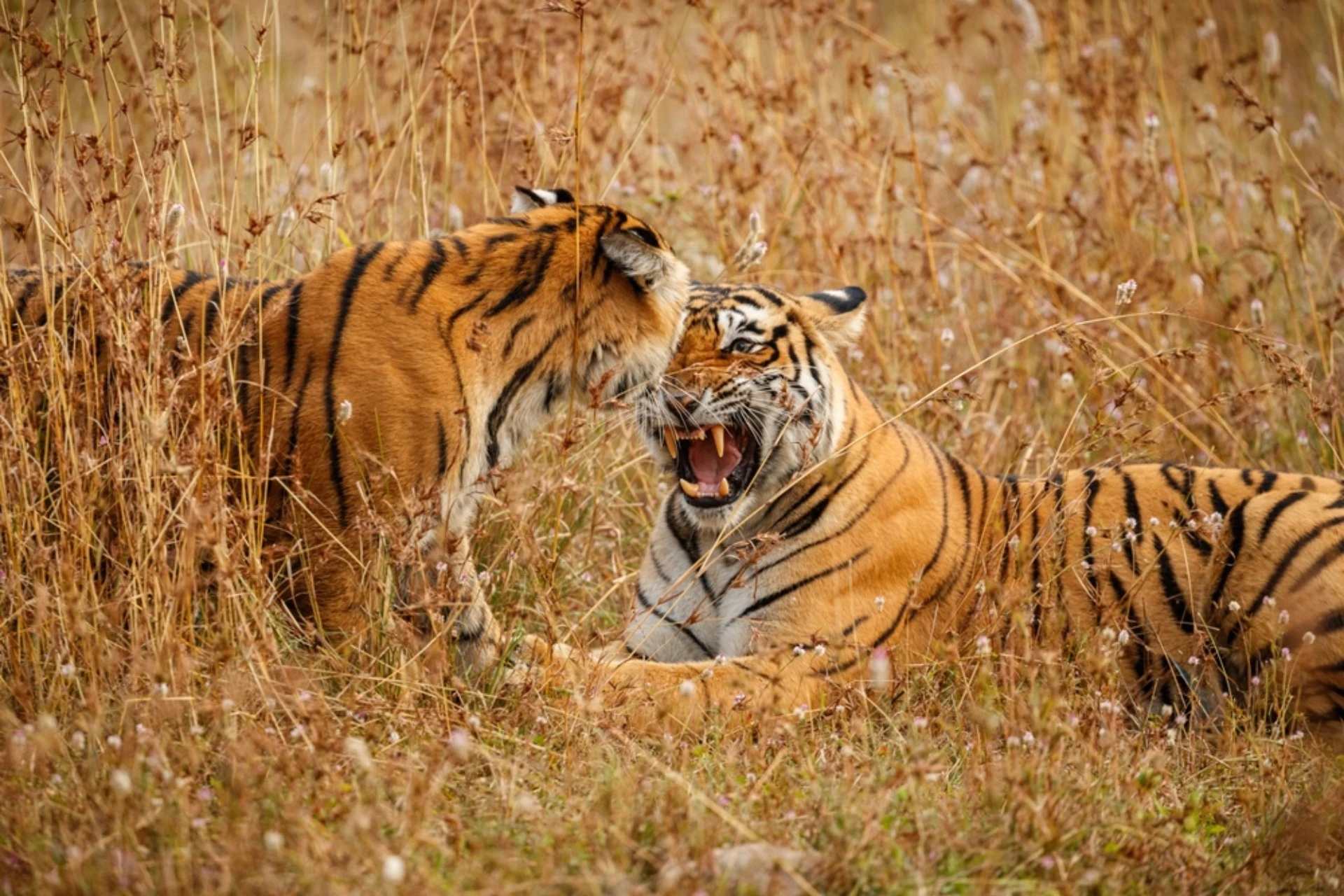
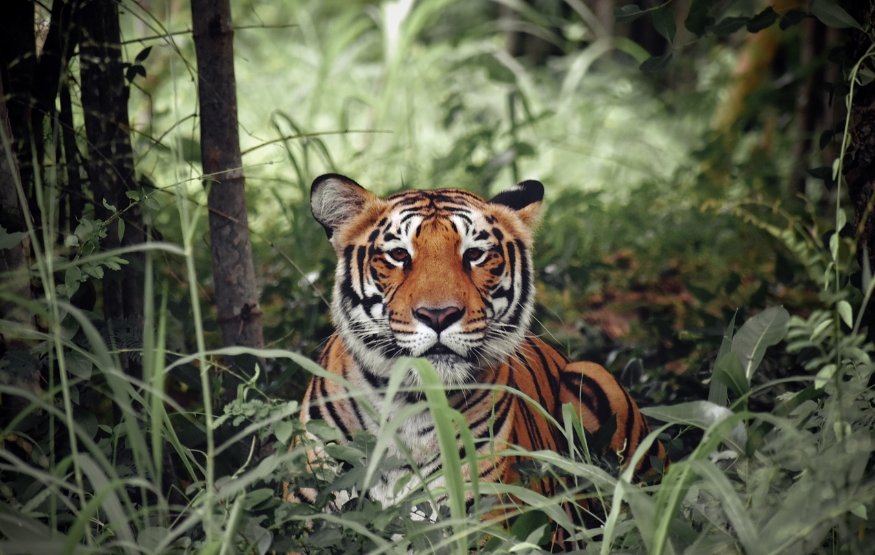
Tigers (Ranthambore, Corbett)
|
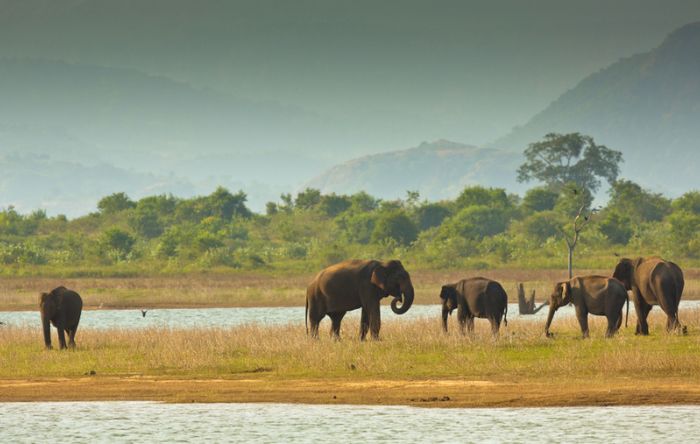
Elephants (Periyar), Nilgiri wildlife
|
|
Beaches
|
Not a beach destination
|
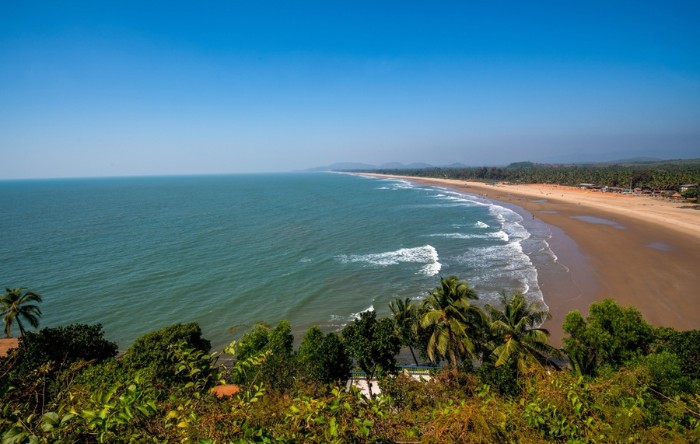
Kerala, Goa, Tamil Nadu
|
|
Desert
|
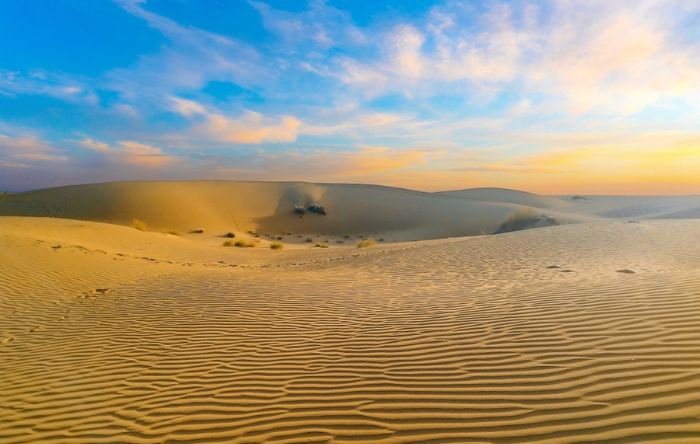
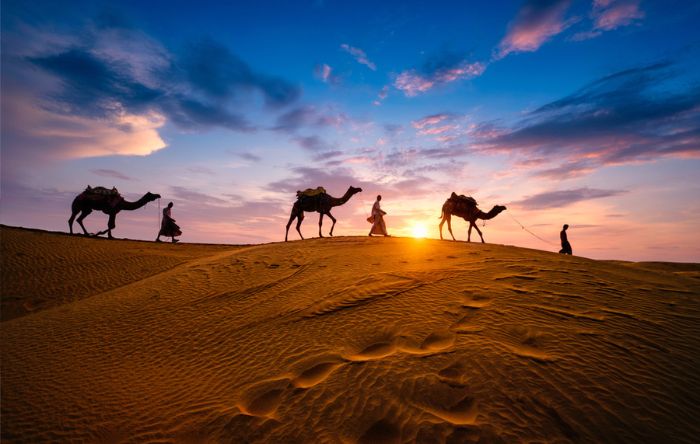
Thar Desert, Rajasthan
|
Not a desert destination
|
|
Cost (7-day tour)
|
$1,200–$2,000 per person
|
$1,100–$1,900 per person
|
North India vs South India: Quick Comparison Table
1. Culture Differences — North India vs South India
Of all the differences between North and South India, culture is the most profound — and the most surprising to first-time visitors who expect one India.
North India's Culture — Imperial, Colourful, Mosaic
The main difference between North India and South India lies in culture, language, food, and geography. North India is known for Hindi-speaking regions, wheat-based cuisine, and Mughal influence.
North India's culture is a magnificent mosaic — the result of thousands of years of successive empires, invasions, and civilisational exchanges. The Rajput warrior culture of Rajasthan, the Mughal imperial legacy of Delhi and Agra, the Sikh spiritual tradition of Punjab, the ancient Hindu pilgrimage culture of Varanasi — all coexist in a region that has been at the crossroads of Indian history for three millennia.
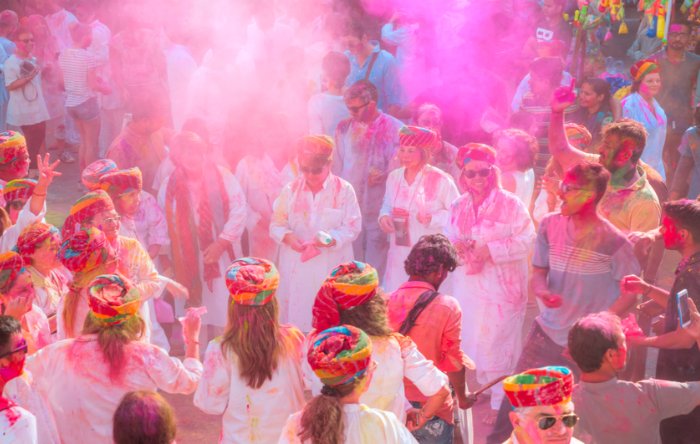
North Indian culture is imperial in scale and dramatic in character. Its festivals are exuberant — Diwali in Jaipur illuminates the entire Pink City; Holi in Mathura and Vrindavan is the most extraordinary colour festival in the world; the Pushkar Camel Fair draws thousands of pilgrims and traders to a sacred desert town each November. Its arts — Kathak dance, Hindustani classical music, miniature painting, Rajasthani handicrafts — reflect a culture shaped by royal courts and their patronage.
The social fabric of North India is visibly diverse: Hindu temples next to Mughal mosques next to Jain shrines next to Sikh gurudwaras — all within the same city block in Old Delhi. This pluralism is visible, lived, and one of the most genuinely moving things about North India for international visitors from the USA and Europe.
South India's Culture — Ancient, Spiritual, Continuous
South India features Dravidian languages, rice-based dishes, and ancient temple architecture. South India is ideal for serene beaches, lush greenery, backwaters, and cultural heritage.
South India's culture is older, more continuous, and more rooted in an unbroken Dravidian civilisation that predates the Mughal era by thousands of years. Where North India has been shaped by successive external influences — Central Asian, Persian, Mughal, British — South India has evolved more from within, producing a cultural tradition of extraordinary depth and internal consistency.
The Meenakshi Amman Temple complex in Madurai covers 6.3 hectares and has been continuously active for over 2,500 years — it remains a functioning place of daily worship for Tamil Hindus, visited by an estimated 15,000 to 20,000 pilgrims and tourists every day.
South Indian classical arts — Bharatanatyam dance, Carnatic music, bronze sculpture, silk weaving at Kanchipuram — are expressions of a living cultural tradition, not a museum exhibit. Attending a Bharatanatyam performance in Chennai or a Carnatic concert in a Mysore palace is an encounter with a performing arts tradition that has been unbroken for two thousand years.
Language reflects this cultural difference clearly: North India predominantly uses Hindi and English in tourist areas. South India has four major regional languages — Tamil, Telugu, Kannada, and Malayalam — each with its own literature, film industry, and cultural identity stretching back centuries. English is widely spoken in tourist and business areas of both regions, making communication comfortable for international visitors throughout India.
My honest note on cultural intensity: North India's cultural experience hits you immediately — the Red Fort, the Chandni Chowk spice bazaar, the call to prayer from Jama Masjid — it is immediate, vivid, and overwhelming in the best possible way. South India's cultural experience is more gradually revealed — the more time you spend, the more you understand, and the deeper the rewards.
2. Climate Comparison — Which Region Has Better Weather?
Climate is one of the most practical factors in the North vs South India decision — and it significantly affects which region is best for your specific travel dates.
North India Climate
North India has a classic four-season climate with dramatic seasonal extremes:
North India (Delhi, Agra, Jaipur) has a dry, seasonal climate — winters drop to 5–10°C in December and January, and summers reach 40–45°C in May and June. The monsoon arrives in July and brings significant rainfall through September before clearing to the finest travel weather of the year in October and November.
|
Season
|
Months
|
Temp
|
Conditions
|
|
Winter (Best)
|
Oct–Mar
|
5–22°C
|
Cool, dry, perfect sightseeing
|
|
Summer
|
Apr–Jun
|
30–45°C
|
Very hot — challenging
|
|
Monsoon
|
Jul–Sep
|
28–38°C + rain
|
Rain + humidity
|
|
Post-Monsoon
|
Oct
|
20–30°C
|
Excellent — green + clear
|
Best time to visit North India: October to March
Key point for USA and European visitors: December and January are North India's peak tourist months — cold mornings (5–10°C at dawn) require warm layers for early morning Taj Mahal visits and tiger safaris, but sunny afternoons are pleasant at 18–22°C. This window aligns well with North American and European holiday periods.
South India Climate
South India (Kerala, Tamil Nadu, Karnataka) stays warmer year-round at 25–32°C, with a monsoon season from June–September.
South India's tropical climate is more consistent — but it has two distinct monsoon seasons that affect different states at different times:
|
Season
|
Months
|
Kerala/Karnataka
|
Tamil Nadu
|
|
Peak Season
|
Nov–Feb
|
Dry, ideal
|
Dry, ideal
|
|
Pre-Monsoon
|
Mar–May
|
Warm, manageable
|
Warm
|
|
SW Monsoon
|
Jun–Sep
|
Heavy rain
|
Moderate
|
|
NE Monsoon
|
Oct–Dec
|
Clearing
|
Rain on coast
|
Best time to visit South India: November to February (avoids monsoon and peak heat)
The important climate insight: October to March is excellent for BOTH regions simultaneously — making this window ideal for the combination India trips that many international visitors plan. If your travel dates fall outside this window, South India is generally more manageable in the hot and wet months — North India becomes very challenging in May and June (45°C in Rajasthan) and South India is lush but wet in July and August.
Distance between regions — for combination planning: Delhi to Kochi (Kerala): approximately 2,700 km — a 3-hour direct flight. Delhi to Chennai (Tamil Nadu): approximately 1,760 km — a 2.5-hour direct flight. Both are very manageable domestic connections.
3. Food Differences — North Indian vs South Indian Cuisine
Food may be the single most dramatic difference between the two regions — and one of the most genuinely exciting reasons to visit both.
North Indian Food — Rich, Wheat-Based, Mughal-Influenced
North Indian food is rich, wheat-based, and deeply influenced by Mughal court cooking. Gravies are built on slow-cooked onion, tomato, and spice bases finished with cream or butter. Breads like naan and roti are central to every meal. The tandoor clay oven, burning at over 400 degrees Celsius, produces the charred, smoky kebabs and blistered breads that define the cuisine.
North Indian food is rich and creamy, with wheat as the main staple. Various flatbreads, like Paratha and Tandoori Roti, are often paired with thick curries and stews.
This is the India that most international visitors from the USA, UK, and Europe already know from Indian restaurants at home — butter chicken, dal makhani, biryani, saag paneer, naan, and the extraordinary repertoire of Mughal-inspired kebabs. But eating these dishes in their homeland — fresh from a tandoor in Old Delhi, at a rooftop restaurant overlooking Jaipur's Pink City — is a profoundly better and more memorable experience.
North India's signature dishes:
- Butter chicken (murgh makhani) — Delhi's gift to the world
- Dal makhani — slow-cooked black lentils, rich with butter
- Rajasthani Laal Maas — fiery red mutton curry
- Dal Baati Churma — Rajasthan's iconic wheat dumplings with lentils and sweet crumbled wheat
- Jaipur's kachori and pyaaz ki kachori — deep-fried pastry with spiced onion filling
- Old Delhi's Mughal kebabs at Karim's — open since 1913
- Lassi — thick yoghurt drink, sweet or salted
South Indian Food — Light, Rice-Based, Coconut and Seafood
South Indian cuisine focuses on rice, dosa, idli, sambhar, and coconut-based flavors. Spices and cooking styles vary significantly between the two regions.
South Indian cuisine is built around rice, lentils, coconut, tamarind, and an extraordinary variety of fresh vegetables and seafood. The flavours are bright, complex, and deeply aromatic — turmeric, curry leaf, mustard seed, coconut milk, and green chilli creating a flavour palette completely different from the cream-based richness of the north.
For international visitors who find North Indian food too rich or too heavy, South Indian cuisine often comes as a revelation. A perfectly made masala dosa — paper-thin fermented rice and lentil crepe, crisp at the edges, filled with spiced potato, served with coconut chutney and sambar — is one of the finest breakfasts in the world.
South India's signature dishes:
- Masala dosa — the iconic South Indian breakfast
- Idli and sambar — steamed rice cakes with lentil soup
- Kerala fish curry — coconut milk, kokum, fresh Arabian Sea catch — a dish of extraordinary subtlety
- Hyderabadi Biryani — arguably India's finest biryani, cooked dum style in a sealed clay pot
- Chettinad cuisine — Tamil Nadu's most complex and spice-rich cooking tradition
- Appam with stew — Kerala's lacy rice crepes with coconut milk vegetable stew
- South Indian filter coffee — brewed through a traditional metal filter, served in stainless steel tumbler and davara
My honest recommendation for food lovers: Visit both. North and South Indian cuisines are extraordinary in completely different ways. If you can only visit one region on this trip — and you specifically love rich, familiar Indian restaurant food — North India's cuisine will feel like coming home. If you want to discover an India of extraordinary lightness, complexity, and seafood — South India will change your understanding of what Indian food is.
4. Monuments vs Nature: What Each Region Offers
North India's Monuments — Density and Global Fame
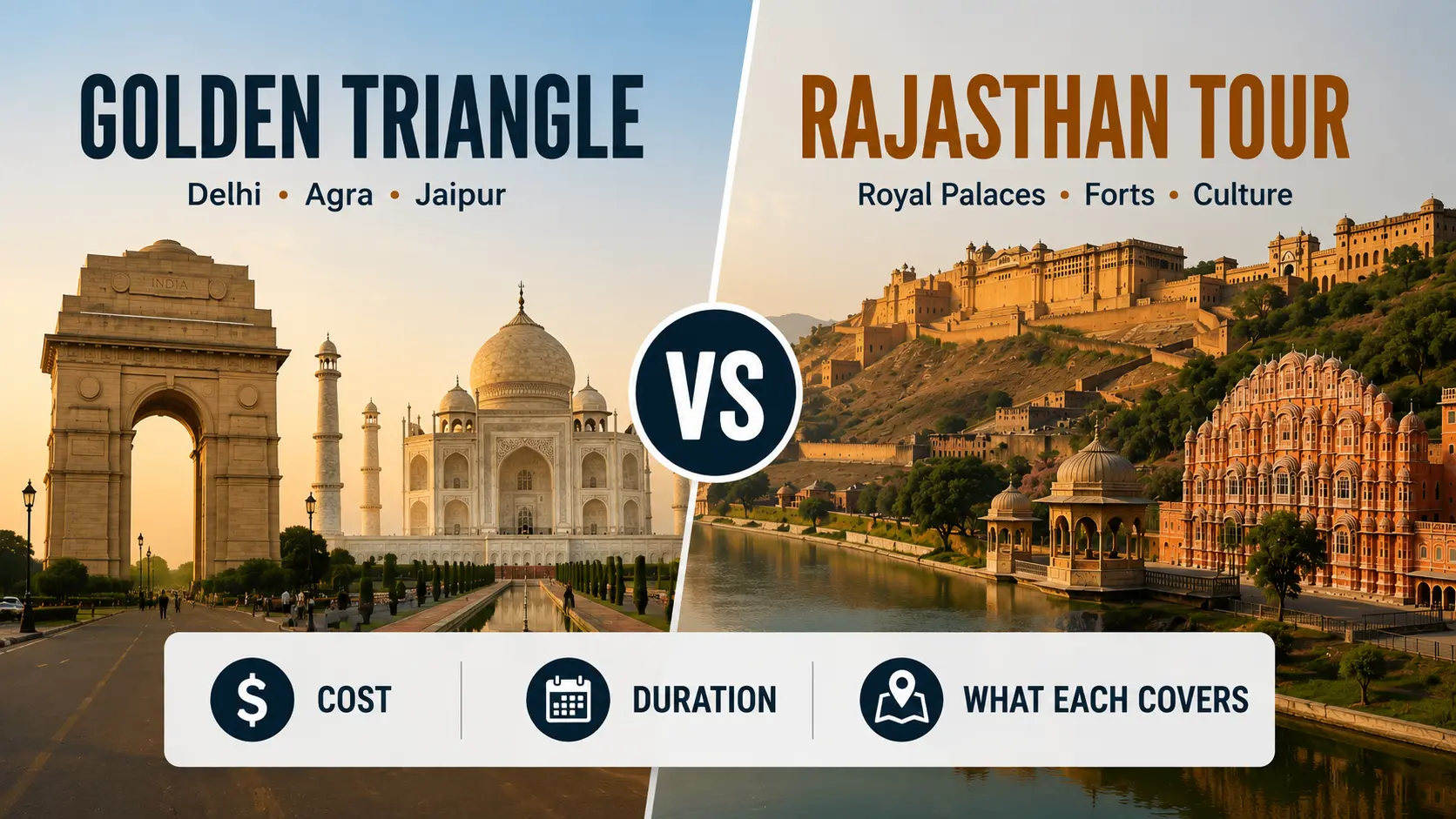
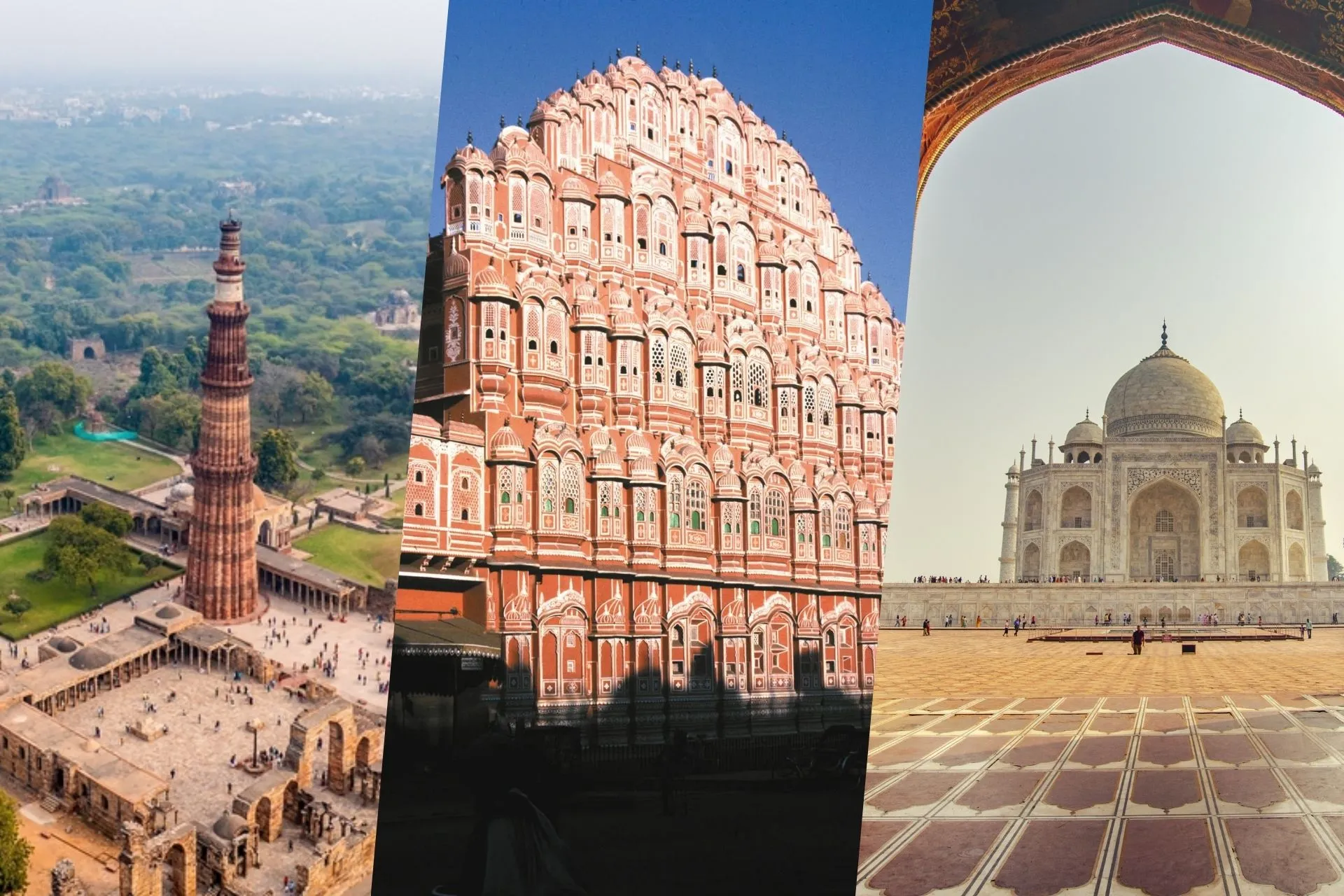
North India is home to 3 of India's most visited UNESCO sites — the Taj Mahal, Red Fort, and Qutub Minar — within a 250 km radius. The Golden Triangle circuit alone contains six UNESCO World Heritage Sites (Taj Mahal, Agra Fort, Fatehpur Sikri, Red Fort, Humayun's Tomb, Jantar Mantar) within a 720-kilometre circuit — a concentration of globally recognised heritage that no other travel circuit in the world can match.
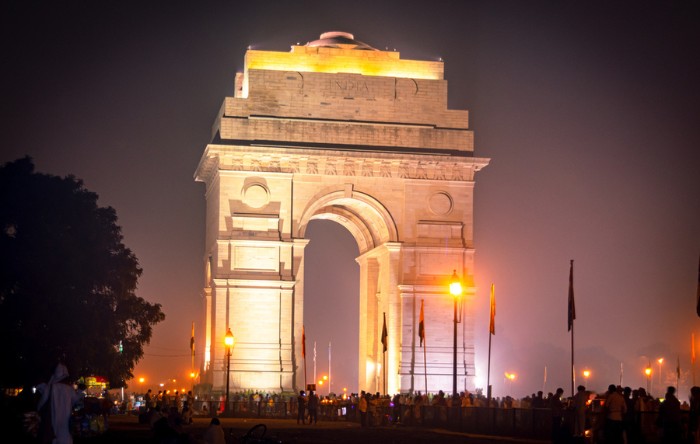
Monuments in North India include iconic structures such as the Taj Mahal, Red Fort, Qutub Minar, and various Mughal-era mosques and palaces. Religious sites include important pilgrimage centres such as Varanasi, Amritsar's Golden Temple, and the holy city of Haridwar along the Ganges River.
North India's monument highlights:
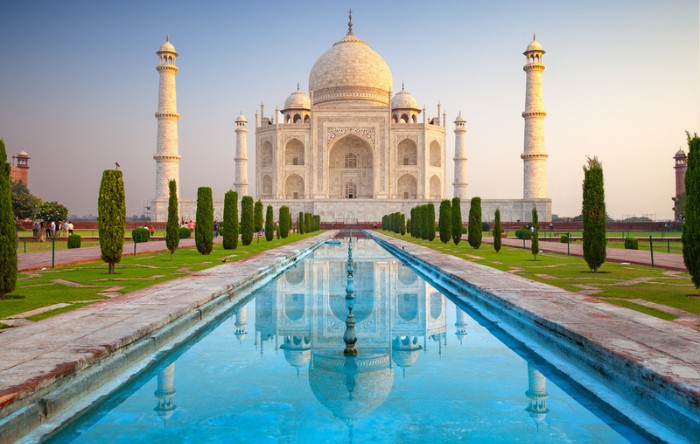
- Taj Mahal, Agra — the world's most beautiful building
- Red Fort, Delhi — UNESCO World Heritage Site, Mughal imperial palace built by Shah Jahan
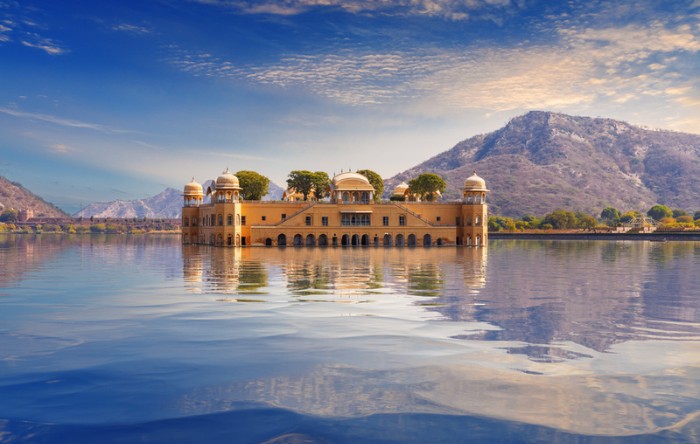
- Amber Fort, Jaipur — UNESCO listed, finest Rajput fort in India, famous Sheesh Mahal mirror palace
- Humayun's Tomb, Delhi — UNESCO, direct inspiration for the Taj Mahal's design
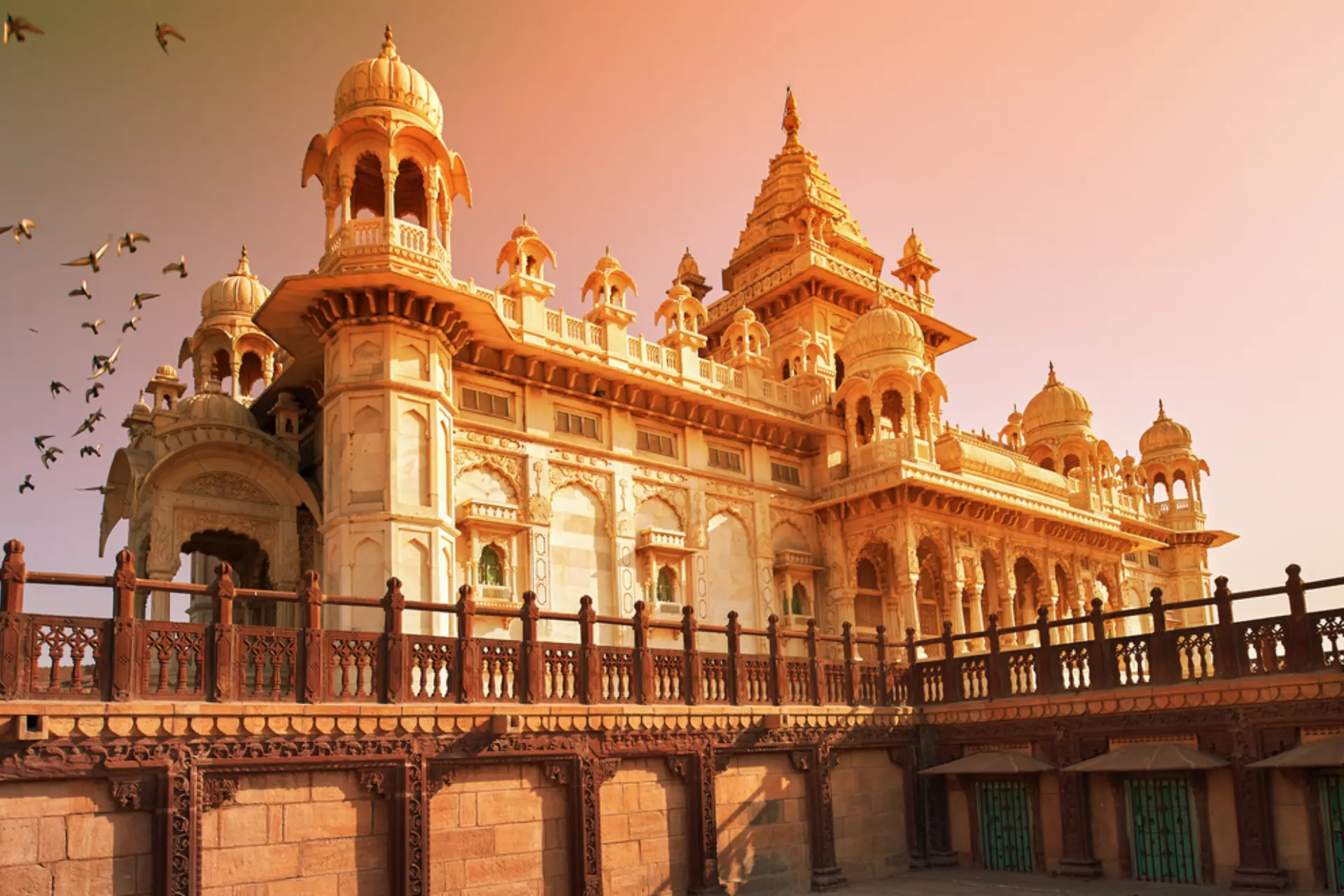
- Mehrangarh Fort, Jodhpur — India's most impressive fort interior, rising 400 feet above the Blue City
- Fatehpur Sikri — UNESCO, Akbar's extraordinary abandoned Mughal capital 40 km from Agra
- Varanasi's ghats — the oldest continuously inhabited city on earth, sacred to Hinduism for 3,000 years
South India's Nature — Backwaters, Beaches and Ghats
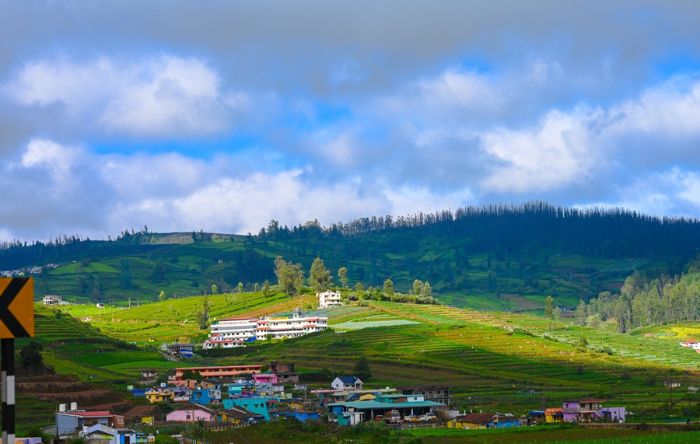
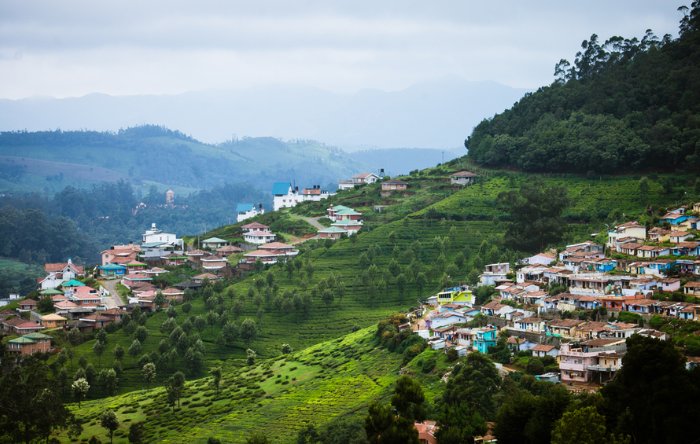
Kerala alone offers the kind of landscape diversity that most countries stretch across their entire geography: a mountain range (Western Ghats), a working tea economy (Munnar at 2,000 metres), a unique inland water system (the backwaters of Alleppey), ancient forest and spice farms (Thekkady), and a coast on the Arabian Sea.
South India's UNESCO sites — Hampi and Mahabalipuram — are more spread out (often 300+ km apart) and less globally famous than the Taj Mahal or Red Fort. But they are, arguably, more architecturally significant and more deeply connected to a living cultural tradition.
South India's temples include renowned structures with intricate carvings and towering gopurams (gateway towers) like the Meenakshi Temple, Brihadeeswara Temple, and the temples of Hampi.
South India's nature and heritage highlights:
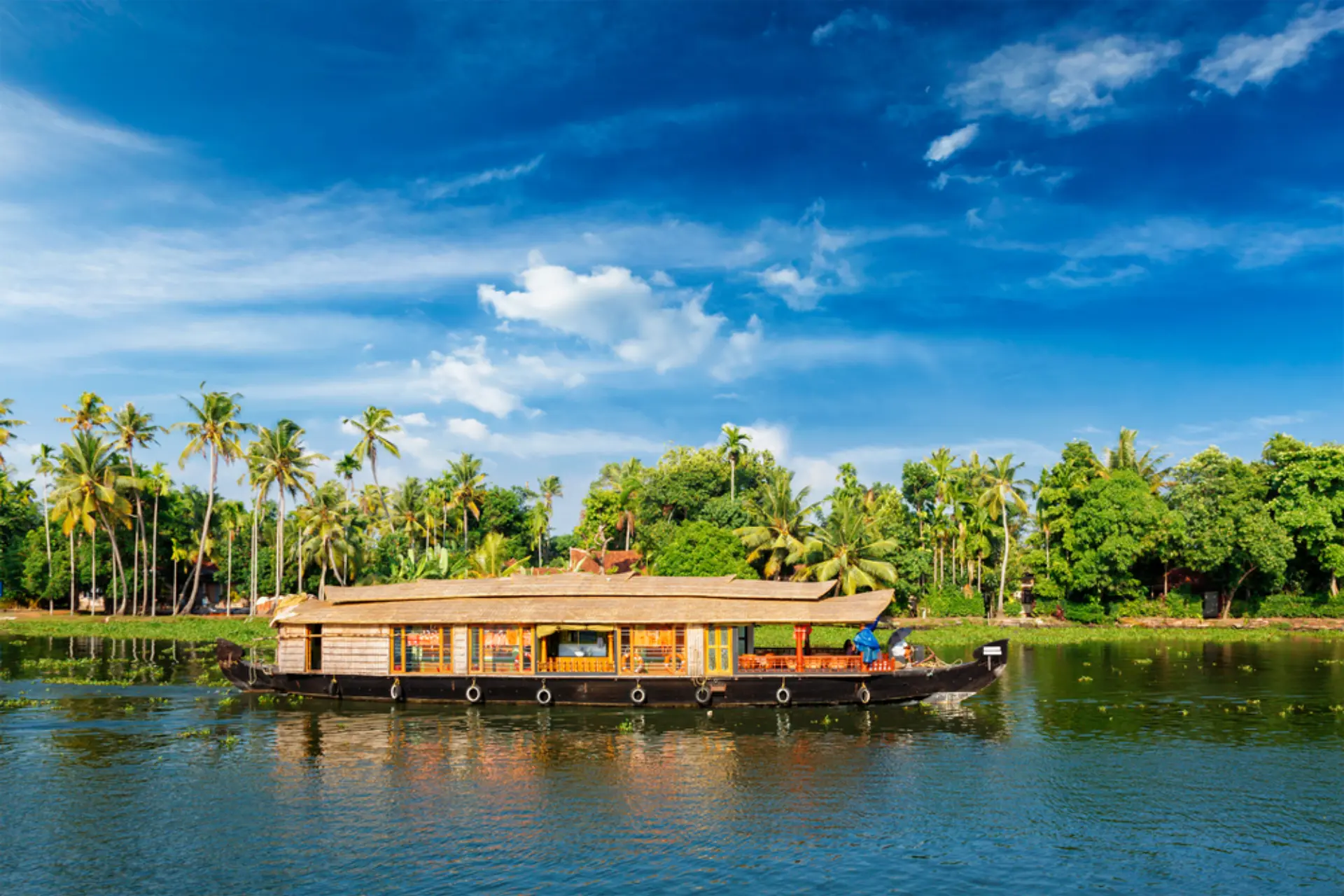
- Kerala Backwaters — 900 km of interconnected lagoons, canals, and lakes, explored by traditional houseboats
- Munnar Tea Estates — rolling hills carpeted in green tea at 1,600 metres, producing some of India's finest
- Meenakshi Amman Temple, Madurai — 6.3-hectare temple complex active for 2,500 years, 14 towering gopurams
- Hampi, Karnataka — UNESCO, extraordinary ruins of the Vijayanagara Empire set in a surreal boulder landscape
- Mahabalipuram, Tamil Nadu — UNESCO, ancient shore temples and rock carvings on the Bay of Bengal
- Goa beaches — palm-fringed Arabian Sea coastline, Portuguese colonial architecture, vibrant cafe culture
- Western Ghats — UNESCO World Heritage biodiversity hotspot, endemic wildlife, spice plantations
My honest assessment: North India wins on UNESCO-listed, globally famous architecture per square kilometre. South India has fewer of the globally famous icons but deeper cultural complexity — the Dravidian temple tradition is less photographed and, arguably, more architecturally significant.
If you come to India for internationally recognised iconic photographs — the Taj Mahal, Amber Fort — go North first. If you come for depth, living culture, and natural beauty that rewards patience — South India will exceed every expectation.
5. Which Region Is Easier to Travel As a Foreign Tourist?
This is the honest question that travel guides often avoid — and it is one of the most useful for first-time international visitors to India.
North India — Well-Developed Infrastructure, More Hustle
North India's tourism infrastructure is extensive and mature — excellent hotels at every price point, reliable private drivers and guides, well-maintained monument facilities, and the country's most developed tourist service network. Delhi, Agra, and Jaipur are among the most visited cities in Asia and their tourist facilities reflect this.
However, North India — particularly Delhi, Agra, and Varanasi — is also more intense. The cities are denser, louder, and more chaotic than South India's equivalent tourist destinations. Tourist touts are more persistent at major monuments. Traffic in Delhi and Agra can be genuinely overwhelming on first arrival.
This is precisely why travelling with a reputable private tour operator like My Dream India Tour — with a dedicated vehicle, licensed guide, and 24/7 support — transforms the North India experience from potentially stressful to genuinely extraordinary. The hustle disappears when you have the right local team beside you.
South India — Calmer, More Organised, Gentler Entry
The pace is slower, the infrastructure for tourism is more organised, and the overall experience is significantly easier to navigate for a first-time visitor.
South India — particularly Kerala and Karnataka — offers a more relaxed, more organised, and less overwhelming travel experience. Tourist infrastructure is excellent, English is widely spoken, and the general pace of life is noticeably calmer.
South India is consistently rated safer for international tourists, particularly solo female travellers. Kerala, Tamil Nadu, and Karnataka have lower recorded rates of tourist-facing scams than Delhi, Agra, and Jaipur.
For first-time visitors who are nervous about India's intensity: South India is a genuinely gentler entry point. Kerala specifically — with its backwater houseboats, hill station serenity, and extremely well-organised tourism — can feel like a soft landing in a country that can otherwise feel overwhelming.
My balanced view: Both regions are safe, manageable, and extraordinary for international visitors travelling with a good operator. The "difficulty" of North India is significantly overstated in most travel advice — and significantly reduced by having expert local support. But if you are genuinely anxious about your first India trip, starting in South India is a completely valid and very rewarding choice.
6. Which Should First-Time Visitors Choose?
After ten years of answering this question, here is my honest, experience-based recommendation by traveller type:
Choose North India First If:
- This is your very first trip to India ever
- Your primary motivation is the Taj Mahal — and it is on your bucket list as a specific item
- You have 7 to 10 days — the Golden Triangle uses this time extremely well
- You love history, Mughal architecture, and imperial heritage
- You want to experience India's most iconic and most internationally recognisable landmarks
- You are comfortable with a more intense, energetic travel environment (with good local support)
Choose South India First If:
- You are a repeat visitor to Asia and want something beyond the standard iconic route
- Your primary interests are nature, food, beaches, and living cultural traditions
- You have concerns about travel intensity and want a calmer, more organised first India experience
- You are travelling specifically for yoga, wellness, or Ayurvedic treatment (Kerala is the world centre)
- You are a serious foodie who wants to explore India beyond the food styles you already know from restaurants
The statistical reality: Approximately 65–70% of first-time international visitors choose North India first, largely due to the Taj Mahal's status as India's most-searched landmark. This majority is well-founded — but it should not stop the right traveller from starting in the south.
Choose North India if you love history, famous landmarks, festivals, and rich food. Choose South India if you prefer peace, nature, temples, beaches, and comfort. Many travelers visit one region first and explore the other later.
7. Can You Visit Both North and South India in One Trip?
Yes — and for travellers with 17 to 21 days, a north-south combination is one of the most rewarding India journeys possible.
The logistical key: fly between regions. Delhi to Kochi (Kerala) is a 3-hour direct flight. Delhi to Chennai is a 2.5-hour direct flight. India's domestic aviation network connects the two regions quickly and affordably — making a combination trip entirely practical.
Sample Combined Itinerary: 17 Days
North India Phase (Days 1–10):
Day 1–2: Delhi — Red Fort, Humayun's Tomb, Qutub Minar, Old Delhi street food tour (Chandni Chowk)
Day 3: Delhi to Agra (3.5 hrs) — Taj Mahal afternoon, Mehtab Bagh sunset
Day 4: Taj Mahal sunrise, Agra Fort, Fatehpur Sikri
Day 5: Drive to Ranthambore (3 hrs) — evening zone briefing
Day 6: Full Ranthambore tiger safari day — morning + evening
Day 7: Morning safari + transfer to Jaipur (3 hrs)
Day 8–9: Jaipur — Amber Fort, City Palace, Jantar Mantar, Hawa Mahal, Pink City bazaar walk, Nahargarh sunset
Day 10: Fly Jaipur to Kochi (2 hrs via Delhi connection)
South India Phase (Days 11–17):
Day 11: Arrive Kochi — Fort Kochi walk (Chinese fishing nets, Dutch Palace, Jewish Quarter, spice market)
Day 12: Drive to Munnar (3.5 hrs) — tea estate arrival, evening viewpoint over tea hills
Day 13: Munnar — tea plantation walk, Eravikulam National Park (Nilgiri tahr sightings), tea factory visit
Day 14: Drive Munnar to Alleppey (4 hrs) — Kerala backwater houseboat boarding (overnight on the backwaters)
Day 15: Backwater houseboat morning — village life, bird watching, toddy tapper encounters — drive to Kochi (1.5 hrs)
Day 16: Fly Kochi to Chennai — drive to Mahabalipuram (1.5 hrs) — Shore Temple sunset, rock carvings
Day 17: Mahabalipuram morning — drive to Chennai airport for international departure
What this 17-day combination delivers: Delhi, Agra (Taj Mahal sunrise + sunset), tiger safari, Jaipur, Kerala backwaters, Munnar tea estates, Kochi, and Mahabalipuram's UNESCO shore temples — the complete north-south India story in a single seamless journey.
First-time South India itineraries are usually strongest when they combine one heritage city, one hill stop, and one water or coast segment — giving variety without exhausting transfers.
Plan Your India Tour with My Dream India Tour
Golden Triangle Tours, Rajasthan Tours, North India Tours, South India Tours, Wildlife Safari Tours, Same Day Tours
WhatsApp / Call: +91-87695-95984 | +91-70625-12828
Email: mydreamindiatour@gmail.com
Website: www.mydreamindiatour.com
Based in: Jaipur, Rajasthan, India
Rated #186 of 1,161 Tours & Activities in Jaipur — TripAdvisor
© 2026 My Dream India Tour Author: Mukesh Sain, Founder & Senior Tour Guide, Jaipur.
8. Frequently Asked Questions
Q: What is the main difference between North India and South India?
The main difference between North India and South India lies in culture, language, food, and geography. North India is known for Hindi-speaking regions, wheat-based cuisine, and Mughal influence, while South India features Dravidian languages, rice-based dishes, and ancient temple architecture.North India is energetic, monument-rich, and historically layered with Mughal and Rajput heritage. South India is tropical, temple-rich, and culturally continuous with a Dravidian civilisation stretching back thousands of years.
Q: Should first-time visitors start with North India or South India?
Most first-time international visitors should start with North India — specifically the Golden Triangle (Delhi, Agra, Jaipur). Approximately 65–70% of first-timers choose North India first, largely because of the Taj Mahal's iconic status. However, travellers drawn to nature, beaches, and a calmer pace will find South India — particularly Kerala — a deeply rewarding first India experience.
Q: How does the culture differ between North and South India?
North India feels energetic, crowded, colorful, and fast-paced. South India is known for natural beauty, peaceful beaches, green hills, backwaters, wildlife, and ancient temples. North India's culture is shaped by Mughal imperial history and Rajput warrior traditions. South India's culture is rooted in an unbroken Dravidian civilisation — expressed in living temple worship, classical dance, Carnatic music, and ancient language traditions.
Q: Which region has better weather for tourists?
October to March is excellent for both regions. North India (Delhi, Agra, Jaipur) has a dry, seasonal climate — winters drop to 5–10°C (Dec–Jan) and summers reach 40–45°C (May–June). South India (Kerala, Tamil Nadu, Karnataka) stays warmer year-round at 25–32°C, with a monsoon season from June–September. If your travel dates fall in summer (May–June), South India is significantly more comfortable. For the October to March window, North India's crisp winter days are superb for sightseeing.
Q: What is the food difference between North and South India?
Completely different. North Indian food is rich and creamy, with wheat as the main staple — flatbreads like paratha and tandoori roti paired with thick curries. South Indian food is lighter, rice-based, with coconut, tamarind, and seafood as defining ingredients. Dishes like masala dosa, idli, Kerala fish curry, and filter coffee are expressions of a culinary tradition with no equivalent in the north. For most international visitors, both are extraordinary — and completely different from each other.
Q: Does North India have more famous monuments than South India?
Yes — in terms of globally recognised landmarks. North India is home to 3 of India's most visited UNESCO sites (Taj Mahal, Red Fort, Qutub Minar) within a 250 km radius. South India's UNESCO sites (Hampi, Mahabalipuram) are more spread out — often 300+ km apart — and less globally famous. However, South India's Dravidian temple architecture is arguably more sophisticated and more deeply connected to living tradition than the Mughal monuments of the north.
Q: Is South India better for nature and beaches than North India?
Yes — comprehensively. South India's natural assets are extraordinary: Kerala's 900 km of backwater lagoons, Munnar's tea-covered hills, the Western Ghats' UNESCO biodiversity hotspot, and the beaches of Goa, Kerala, and Tamil Nadu. North India's natural highlights — the Thar Desert, Himalayan foothills, Ranthambore wildlife — are equally dramatic but entirely different in character. For beaches specifically, South India wins without contest.
Q: Which region is easier to travel in as a foreign tourist?
South India is generally easier for first-time visitors — the pace is slower, the infrastructure is well-organised, English is widely spoken, and tourist-facing scams are less prevalent. North India is more intense but equally manageable with the right local support. Travelling with a reputable private tour operator like My Dream India Tour eliminates most of the perceived difficulty of North India — and makes both regions genuinely wonderful.
Q: Can you visit both North and South India in one trip?
Yes — with 17 to 21 days. The two regions are connected by excellent domestic flights: Delhi to Kochi (Kerala) is a 3-hour direct flight, and Delhi to Chennai is 2.5 hours. A 17-day combination — Golden Triangle + Ranthambore tiger safari + Jaipur in the north, followed by Kerala backwaters
- Munnar + Mahabalipuram in the south — is one of the most rewarding India journeys available.
Q: Which region is safer or more tourist-friendly for beginners?
Both are safe. South India is consistently rated safer for international tourists, particularly solo female travellers. Kerala, Tamil Nadu, and Karnataka have lower recorded rates of tourist-facing scams than Delhi, Agra, and Jaipur. North India is equally safe for travellers with good local support — and My Dream India Tour's 24/7 guidance eliminates most first-timer safety concerns in both regions.
Q: Is South India more expensive or cheaper than North India?
Similar overall. A 7-day North India tour (Golden Triangle) typically costs $1,200–$2,000 per person. A 7-day South India tour (Kerala backwaters + Tamil Nadu temples) typically costs $1,100–$1,900 per person — a similar range, with Kerala's luxury houseboats adding a premium experience cost that North India's equivalent (heritage palace hotels) also carries.
Q: Which region is better if you only have one week?
North India — specifically the Golden Triangle (Delhi, Agra, Jaipur). Seven days is the minimum for a satisfying North India first visit and delivers India's most iconic experiences: the Taj Mahal, Amber Fort, Red Fort, and the extraordinary culture of Old Delhi. For South India, seven days is enough for a Kerala-only circuit (Kochi, Munnar, backwaters) — but feels slightly rushed if you want to add Tamil Nadu's temple cities. If you only have one week — choose North India for maximum iconic impact, or South India for Kerala's specific, deep beauty.
In Summary — North India or South India?
The honest answer is: it depends entirely on who you are as a traveller. And the even more honest answer is: you should visit both.
Start with North India if: the Taj Mahal is on your bucket list, you love Mughal history, you have 7 to 14 days, and you want India's most iconic monuments delivered in its most accessible and well-developed travel circuit.
Start with South India if: you are drawn to nature, living temple culture, extraordinary food, and a gentler introduction to India's extraordinary complexity.
And plan your return for the other region — because India is not a one-trip destination. It is a relationship. And whichever chapter you start with, the other one will pull you back.
Feel free to reach out with any questions about planning your North or South India journey. I read and respond to every message personally. Email us at mydreamindiatour@gmail.com or WhatsApp at +91-87695-95984.

.jpg)















.jpg)
.jpg)
.jpg)



.webp)