How Should I Pack Differently for Northern vs. Southern India?
A Tour Guide's Region-by-Region Packing Guide
By Mukesh Sain | Founder, My Dream India Tour | Jaipur, Rajasthan Last Updated: 2026 | Reading Time: 12 minutes
Here is something most India packing guides do not tell you.
India is not one climate. It is not one culture. It is not even one season — at the very same moment in December, Jaipur in North India can be sitting at 8°C (46°F) with locals in thick woollen shawls, while Kochi in South India basks in a balmy 30°C (86°F) under tropical sunshine.
Pack for one and you are wrong for the other. Pack for both without thinking and you end up lugging a suitcase that would embarrass a Himalayan expedition.
I have guided guests from the USA, UK, Canada, France, and Germany through both regions for over a decade. I have watched travellers arrive in Jaipur in January in tropical linen — and spend their first Amber Fort morning shivering on the ramparts. I have watched others land in Kerala in December in full winter layers — and spend their first houseboat day genuinely suffering in the humidity.
Both mistakes are entirely avoidable.
This guide gives you exactly what to pack for each region — by season, by activity, and by the specific sights you will actually visit. Not a generic list. A practical, experience-based packing breakdown that will serve you from the moment you land to the moment you fly home.
North India packing essentials: Layers for cool-to-cold winters, lightweight cotton for hot summers, a warm layer for December–February evenings, modest clothing for fort and temple visits, sturdy walking shoes for cobblestone forts.
South India packing essentials: Lightweight breathable fabrics year-round, a rain jacket or compact umbrella for monsoon months, slip-on sandals for frequent temple visits, modest clothing for strict South Indian temple dress codes, mosquito repellent for tropical humidity.
The biggest single difference: North India requires layering — especially for October to February travel when days are warm but mornings and evenings are genuinely cold. South India requires breathability and rain preparation. Pack accordingly and you will be comfortable in both.
Understanding Why the Two Regions Pack So Differently
Before I give you the specific lists, I want you to understand the fundamental reason North and South India require different packing approaches — because once you understand this, every individual decision becomes logical rather than arbitrary.
North India has a classic four-season climate. Its summers are extreme — Rajasthan's desert temperatures regularly hit 45°C (113°F) in May — and its winters are genuinely cold, with Jaipur dropping to 5–8°C (41–46°F) on January mornings and Delhi experiencing occasional frost. This dramatic range means that even within the peak tourist season of October to March, you need both warm layers and light daytime clothing depending on the time of day.
In North India, from November until March you will need a warm jacket, sweater, and warm socks especially after the sun has gone down. Whereas in the South over this period the weather is balmy.
South India, by contrast, sits in the tropics and is embraced by the sea on three sides. Its climate is warm and humid year-round, with two distinct monsoon seasons creating the main seasonal variation. The temperature range across the entire year in Kerala — India's most visited South Indian state — is roughly 22°C to 35°C (72°F to 95°F). There are no cold mornings, no winter layers, and no sudden temperature drops. But there is consistent heat, significant humidity, and — in monsoon season — extraordinary rainfall.
In the hot and humid areas of South India such as Kerala and Tamil Nadu, light, breathable clothing is essential to stay cool. Packing cotton salwar kameez for women and light cotton trousers for men is practical for dealing with the tropical climate.
With this understanding, here is the region-by-region guide.
PART 1 — PACKING FOR NORTH INDIA
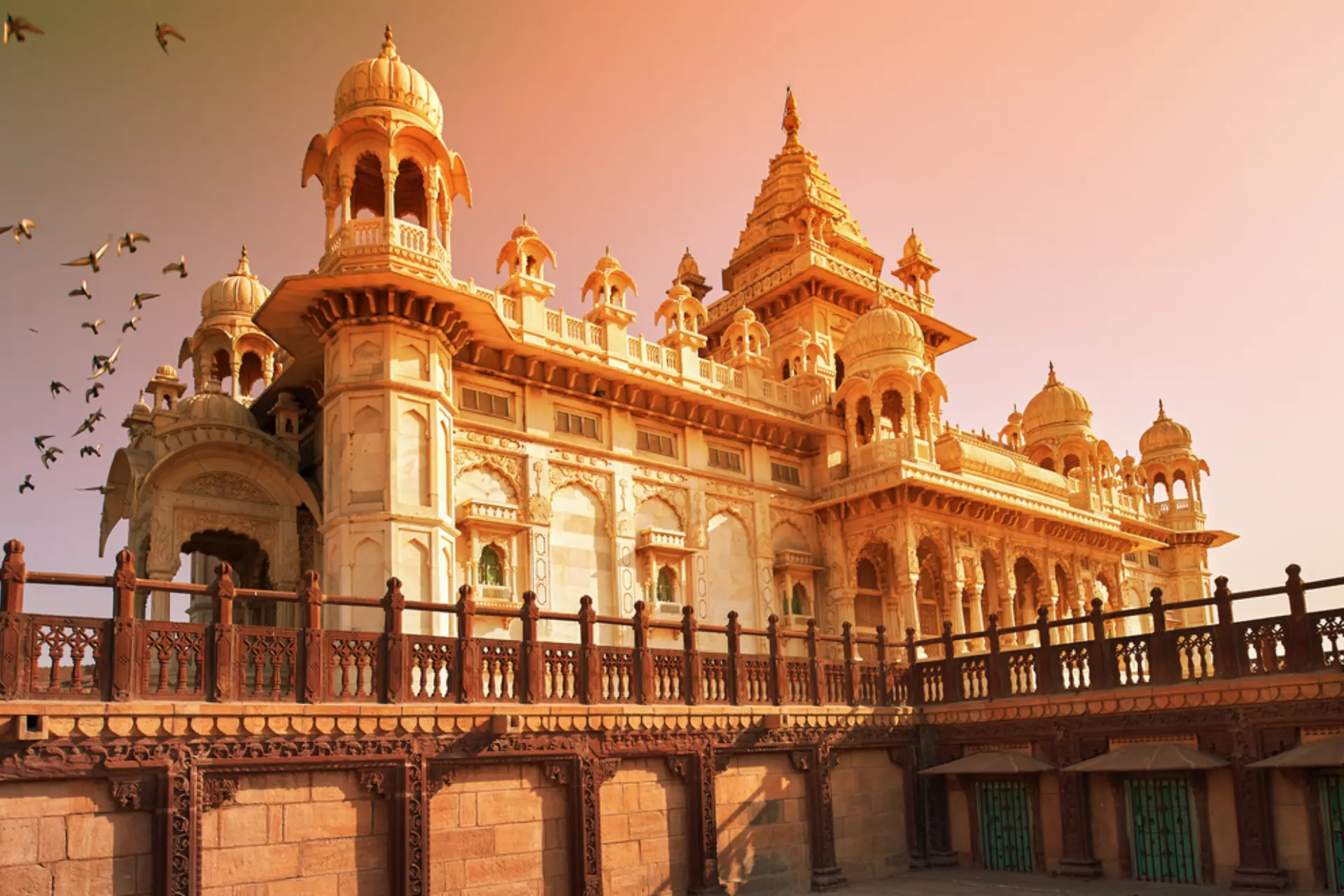
North India Covers: Delhi, Agra, Jaipur (Golden Triangle),
Rajasthan, Varanasi, Rishikesh, Ladakh, Himachal Pradesh
North India Clothing — The Core Wardrobe
The fundamental principle for North India: Pack in layers. A lightweight cotton base layer, a mid-layer for cool mornings and evenings, and one proper warm layer for December–February travel. This system covers every temperature you will encounter across North India's variable climate.
For All Seasons in North India:
Lightweight cotton or linen tops (3-4 pieces): The workhorse of your North India wardrobe. Loose-fitting, breathable, and versatile across every context from fort sightseeing to bazaar browsing. Cotton and linen breathe in Rajasthan's heat and layer comfortably under a jacket on cool evenings. Avoid synthetics — they trap heat in summer and feel unpleasant against the skin in Rajasthan's dust.
Lightweight linen or cotton trousers (2-3 pairs): Not jeans — too heavy for Rajasthan's summer heat and too slow-drying for any season. Lightweight linen trousers are cool in heat, comfortable on long car journeys between cities, and appropriate for every temple and fort visit on your North India itinerary.
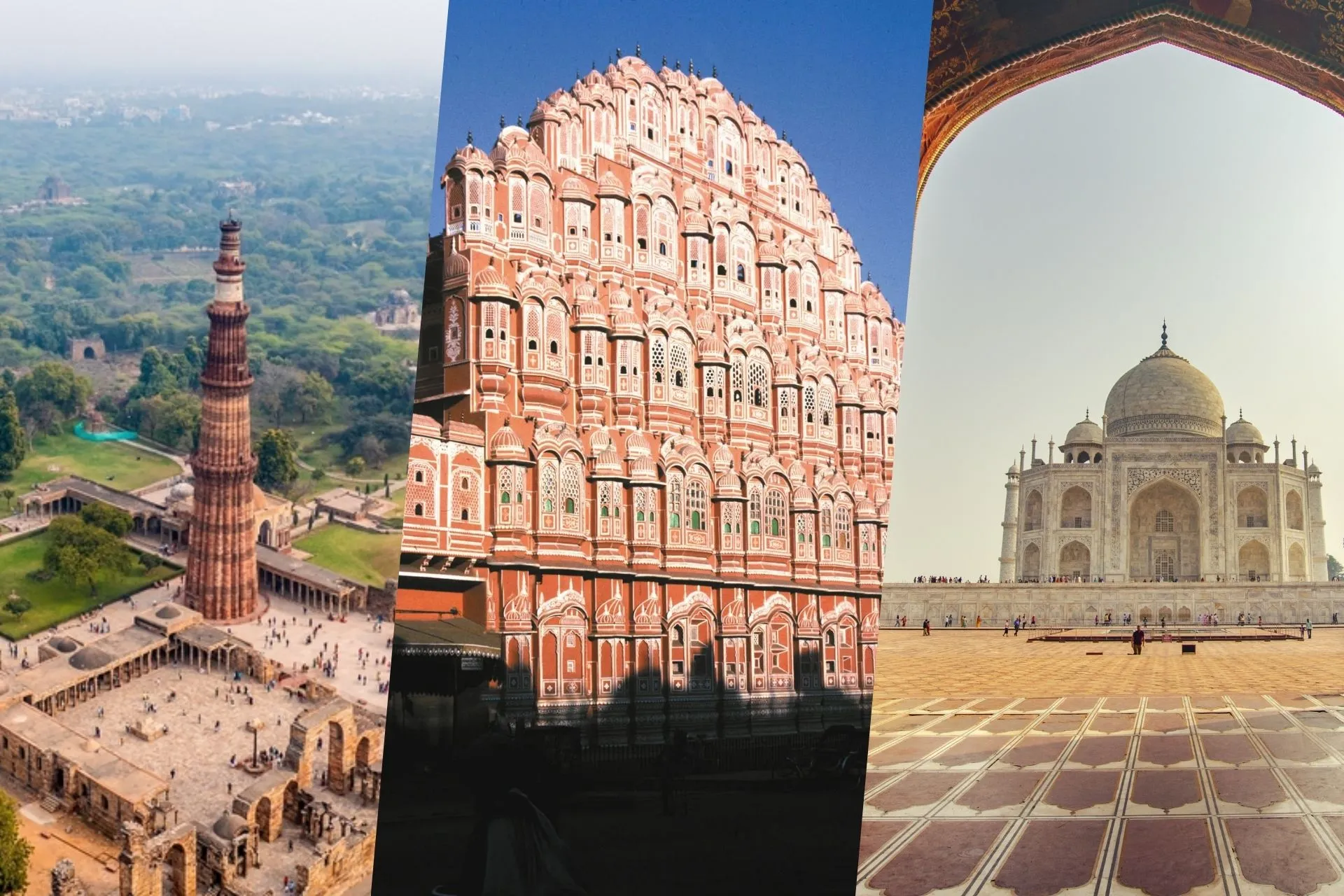
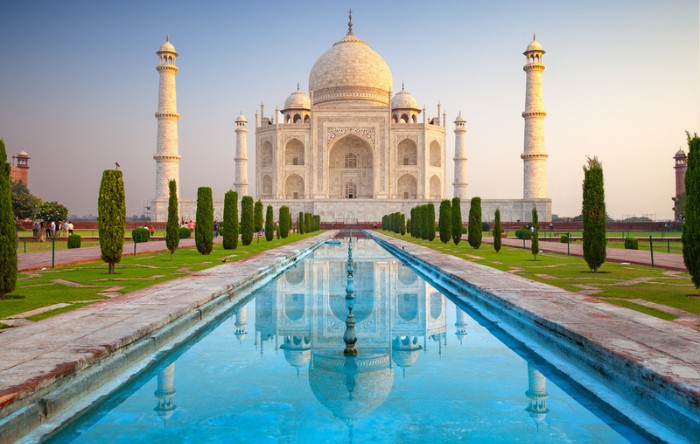
Modest, convertible clothing: North India's sightseeing circuit — Amber Fort, Red Fort, Taj Mahal, Varanasi's temples — involves constant movement between outdoor heat and indoor religious spaces. Clothing that covers shoulders and knees (or is easily adapted with a scarf) eliminates every dress code complication before it arises.
A light cotton scarf or pashmina (minimum 1, ideally 2): For temple entries, sun protection on open fort battlements, and as an emergency warm layer on cool evenings. If you are visiting between October and March, a warm pashmina is one of your most useful North India travel items. Buy one in Jaipur's bazaars on Day 1 — beautiful, affordable, and infinitely practical.
North India — Season-Specific Packing
October to November (Post-Monsoon — Excellent Season)
Temperature Range: 20–30°C days (68–86°F), 14–20°C evenings Rainfall: Minimal — just-cleared monsoon skies
What to pack:
- Lightweight cotton tops and trousers — primary wardrobe
- One light jacket or zip-up fleece for evenings
- Cotton scarf for temple visits and dust protection
- Sunscreen SPF 50+ — the autumn sun is strong
- Light walking shoes — fort paths are dry and dusty
What NOT to pack:
- Heavy winter layers — unnecessary until late November
- Rain gear — monsoon has passed for Rajasthan and Delhi
This is one of North India's finest travel windows — the landscape is green from monsoon rains, the air is clear, and temperatures are genuinely pleasant. A light evening layer is all you need beyond your standard sightseeing wardrobe.
December to February (Peak Winter Season)
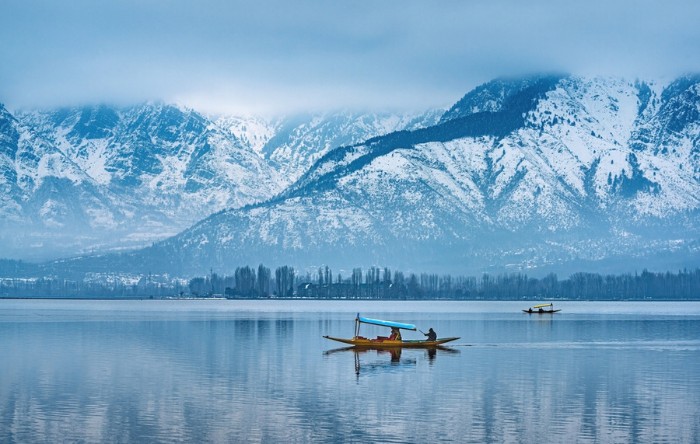
Temperature Range: 5–22°C days (41–72°F), 4–10°C evenings (Delhi and Rajasthan can approach freezing on January nights) Rainfall: Minimal — clear and sunny days
This is the most important season to pack correctly for North India — because the temperature swing between a sunny Jaipur afternoon (22°C) and a pre-dawn Taj Mahal sunrise visit (8°C or colder) is enormous and catches many travellers completely unprepared.
If you are traveling to Northern India during this time you may want to add hats, gloves, a light fleece, and thermal underwear to your other warm layers.
What to pack:
- Thermal base layer (top and bottom) — for early morning fort visits and wildlife safaris which begin at dawn
- Mid-layer fleece or warm sweater (1-2 pieces)
- Light down jacket or warm windproof jacket — essential for December–January evenings in Jaipur and Jaisalmer
- Warm pashmina or wool scarf — doubles as temple covering and genuine cold weather protection
- Gloves and a warm hat — for January mornings, especially on Ranthambore tiger safaris which begin at 6:00 AM in temperatures that can feel genuinely Arctic
- Warm socks (3-4 pairs) — cold evenings + temple visits where shoes come off makes socks essential
- Lightweight cotton layers for warm afternoons — even in January, Rajasthan's midday sun can be warm enough for a single cotton layer on fort battlements
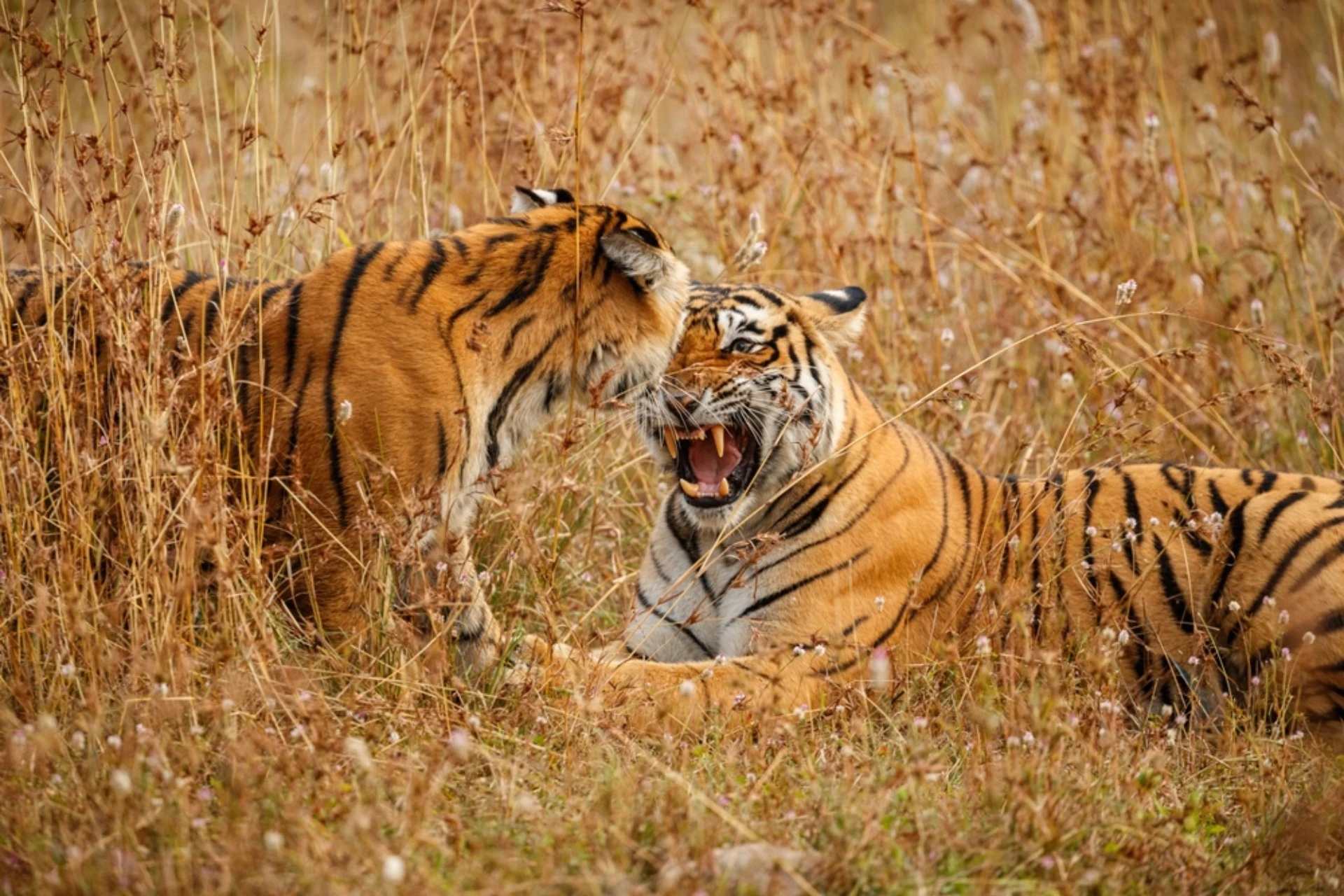
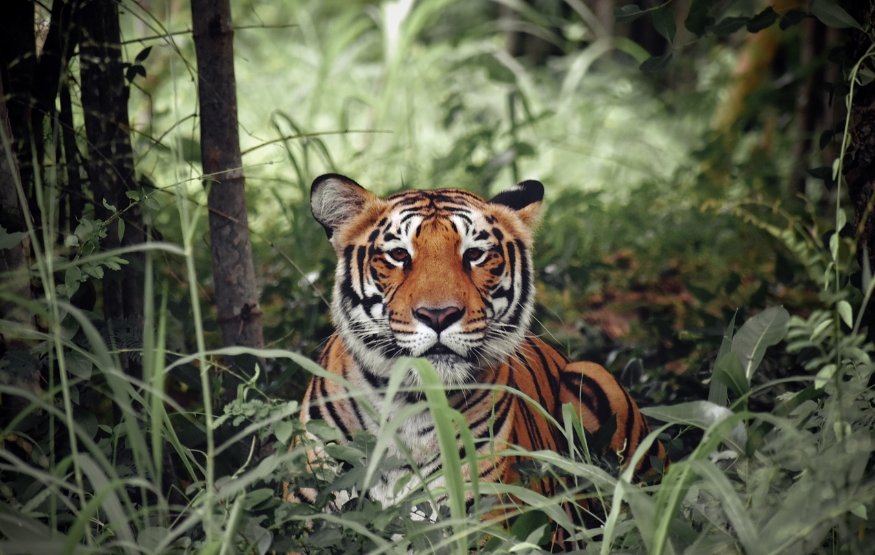
My specific experience: On December and January tiger safaris at Ranthambore — starting at 6:00 AM in an open jeep — guests who packed light down jackets and thermal layers are comfortable and focused on finding tigers. Guests who did not pack warm enough spend the first hour of the most exciting wildlife experience of their trip thinking about how cold their hands are. Pack the warm layers. You will not regret it.
March to May (Spring to Early Summer)
Temperature Range: 28–42°C days (82–108°F), 20–28°C evenings Rajasthan heat: Can exceed 45°C (113°F) in May
What to pack:
- Pure lightweight cotton and linen — nothing else
- Light-coloured clothing — reflects rather than absorbs heat
- Wide-brimmed sun hat — essential, not optional
- Sunscreen SPF 50+ (large quantity)
- Cooling neck towel or wet bandana — for fort walks
- Electrolyte sachets / ORS — dehydration happens fast
- Minimal layers — North India's evenings are warm from April
March is still pleasant. April becomes hot. May in Rajasthan is genuinely challenging and not recommended for elderly travellers or anyone with heat sensitivity. The famous Loo winds in northern India blow strong, dusty, hot, and dry summer winds throughout the land. Pack light, pack cotton, and plan sightseeing for early mornings and late afternoons.
June to September (Monsoon Season)
Temperature Range: 28–38°C, humid, with significant rainfall
What to pack:
- Quick-dry clothing — cotton is comfortable but slow to dry in monsoon humidity; cotton-blend or quick-dry fabrics work better
- Compact waterproof rain jacket or packable umbrella
- Waterproof sandals or water-resistant shoes
- Waterproof bag cover for your daypack
- Insect repellent DEET 30%+ — monsoon brings mosquitoes
Note: Many visitors avoid Rajasthan during monsoon season. Ranthambore and Jim Corbett close their core safari zones during this period. Rishikesh and Himalayan destinations are beautiful in monsoon but road conditions can be unpredictable.
North India Activity-Specific Packing
For Fort and Heritage Sightseeing (Amber, Mehrangarh, Red Fort)
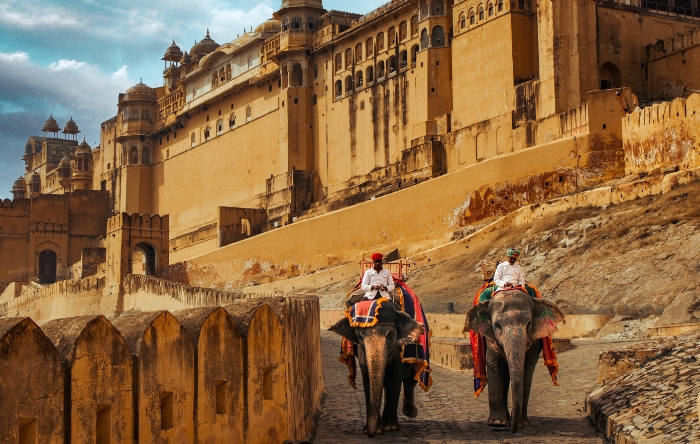
Forts are physically demanding. The approach to Amber Fort involves a steep climb (or elephant/jeep ride). Mehrangarh has multiple staircase levels. Chittorgarh Fort spans 700 acres. Pack:
- Broken-in walking shoes with grip soles (not new shoes)
- Lightweight trousers (cobblestones make shorts impractical)
- Sun hat and sunscreen for open battlements
- Water bottle — carry 1 litre minimum per person
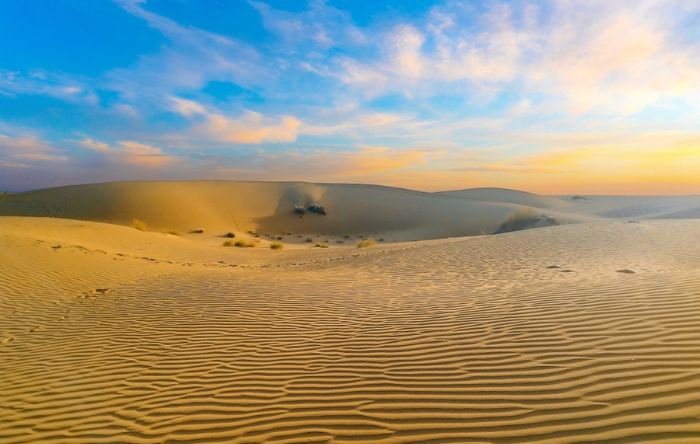
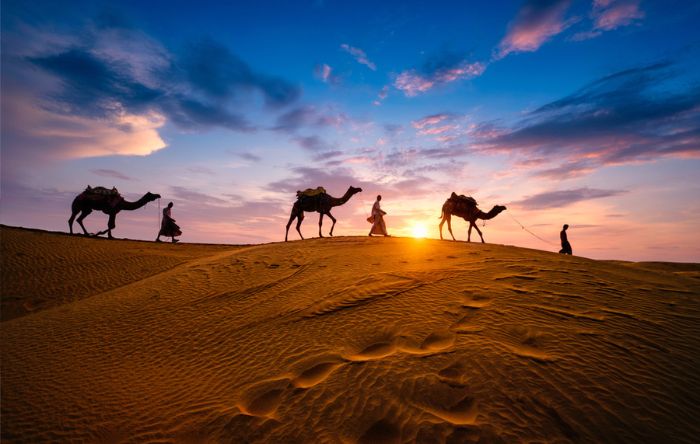
For Rajasthan Desert Safari (Jaisalmer, Sam Sand Dunes)
The desert experience — camel ride at sunset, overnight camp — requires specific preparation:
- Closed-toe shoes for camel riding (open sandals slip)
- Light long-sleeved top for sun protection on the dunes
- Warm layer for evening — desert temperatures drop sharply after sunset even in October and November
- Sunglasses — desert sand and sun are intensely bright
For Wildlife Safari (Ranthambore, Jim Corbett)
Safari packing has its own specific requirements:
- Neutral colours — khaki, olive, tan, grey. Never bright colours or white. Neutral tones reduce disturbance to animals
- Warm layers for dawn safaris (see December section above)
- Closed-toe shoes — dust and insects in open jeeps
- Binoculars — worth every gram in your daypack
- Camera with zoom lens if photography is important to you
For Varanasi Ghats and Spiritual Sites
Varanasi's ghats are ancient, atmospheric, and require respectful dress throughout:
- Full-length, modest clothing at all times
- Scarf for entering temples along the ghats
- Comfortable walking shoes — ghat steps are steep and sometimes wet and slippery
- Avoid light-coloured clothing — ghat environments involve colour, dust, and occasional water splashes
North India Packing List — Master Checklist
Clothing (North India — October to March): Lightweight cotton/linen tops x4, Lightweight linen trousers x2-3, Warm fleece or sweater x1-2, Light down jacket or warm windproof jacket x1, Thermal base layer top and bottom x1 set (December–January travel only), Cotton scarf x1 + Warm pashmina x1, Warm socks x3-4 pairs, Gloves + warm hat (December–January), Comfortable underwear x5-6, Swimwear (for hotel pools)
Footwear (North India): Broken-in walking shoes or trainers x1 pair, Slip-on sandals with arch support x1 pair, Flip-flops for hotel use x1 pair
Accessories (North India): Wide-brimmed sun hat, Sunglasses, Sunscreen SPF 50+, Lip balm SPF 30, Insect repellent DEET 30%+
PART 2 — PACKING FOR SOUTH INDIA
South India Covers: Kerala, Tamil Nadu, Karnataka,
Goa, Hyderabad, Andaman Islands
South India Clothing — The Core Wardrobe
The fundamental principle for South India: Think breathability above everything else. South India is warm and humid year-round. The wardrobe challenge is not temperature variation — it is staying cool, comfortable, and dry in a consistently tropical environment.
For All Seasons in South India:
Lightweight, breathable fabrics (cotton, linen, rayon): For hot weather in India, the best clothes to wear are lightweight fabrics such as cotton, linen, or rayon. These materials are breathable, absorb sweat, and help your body stay cool in the heat. In South India's humidity, this is not optional — it is the difference between a comfortable and a miserable sightseeing day.
Quick-dry clothing (especially for monsoon travel): South India's monsoon is intense — Kerala in June and July receives some of the heaviest rainfall in India. Quick-dry fabrics mean a wet morning's clothing is dry by afternoon. Cotton is comfortable but can take 24 hours to fully dry in high humidity.
Modest but light temple clothing: South India has some of the strictest temple dress codes in India. Tamil Nadu and Kerala have strict traditional attire rules. In some South Indian temples, men may be asked to remove shirts and wear a traditional veshti (dhoti) inside sanctums. Women are advised to wear sarees or full-length ethnic wear at stricter temples.
For practical international travellers visiting Tamil Nadu temples: loose cotton trousers and a modest top for women, full-length trousers and a short-sleeved shirt for men, covers most situations. For the strictest temples — Padmanabhaswamy in Thiruvananthapuram or Meenakshi in Madurai — purchase a simple cotton dhoti or salwar kameez locally on arrival. They are inexpensive and widely available near temple gates.
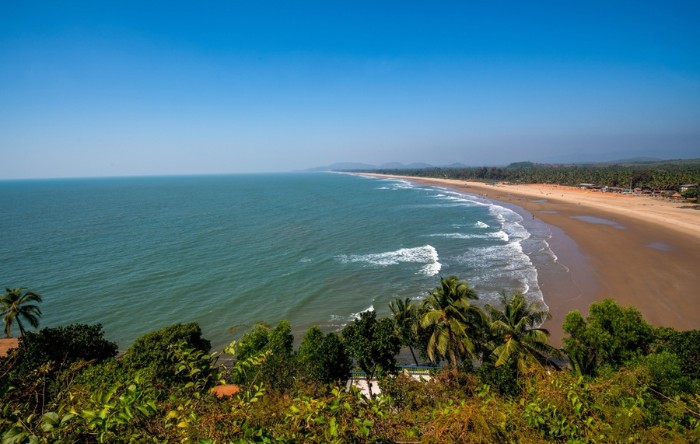
Beach and resort wear: South India's coastal destinations — Goa, Kerala, Andamans, Tamil Nadu's East Coast Road — require beachwear that works both at the beach and in the casual dining and shopping areas nearby. A light cover-up that transitions from beach to cafe is more versatile than purely beach-specific clothing.
South India — Season-Specific Packing
October to February (Peak Season — Best Overall)
Temperature Range: 22–32°C (72–90°F) throughout Humidity: Moderate — this is South India's most comfortable window Rainfall: Minimal in Kerala and Karnataka; Tamil Nadu coast gets Northeast Monsoon (Oct-Dec)
What to pack:
- Pure lightweight cotton and linen wardrobe
- No warm layers needed — South India's winter is genuinely warm
- One light cardigan or thin layer for heavily air-conditioned restaurants and domestic flights (India's AC is aggressive)
- Rain jacket or umbrella if visiting Tamil Nadu coast October to December (Northeast Monsoon period)
- Insect repellent — warm, wet weather means mosquitoes year-round in South India
What NOT to pack:
- Heavy winter layers — completely unnecessary
- Thermal base layers — you will never wear them
- Heavy boots — not needed in South India's terrain
My personal note for guests arriving from North India: If you are doing a combination tour — North India first, then South India — the transition from Jaipur's January cold to Kochi's warmth is genuinely disorienting. Leave your North India warm layers in your hotel luggage store or send them home before you fly south. You will not need them in Kerala.
March to May (Hot Pre-Monsoon Season)
Temperature Range: 28–38°C (82–100°F) Humidity: High — rising toward monsoon season Rainfall: Occasional pre-monsoon showers
What to pack:
- Ultra-lightweight, maximum-breathability clothing
- Light-coloured fabrics — dark colours absorb heat
- Extra changes of clothing — sweat is a reality in this heat
- Cooling accessories — wet bandana, cooling spray
- Electrolyte sachets — dehydration risk is high
- Sunscreen SPF 50+ and sun hat for outdoor sightseeing
March in South India is warm but manageable. April and May are genuinely hot and humid. If you are visiting South India primarily for temples and cultural sites — rather than beaches — October to February is a significantly more comfortable window.
June to September (Southwest Monsoon Season)
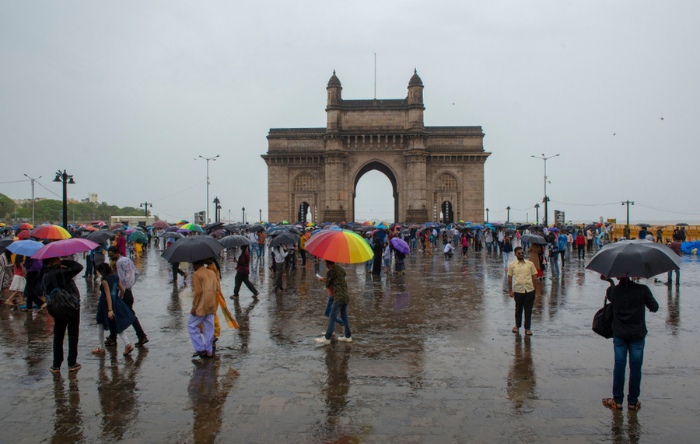
Kerala, Karnataka, and Goa: Heavy monsoon rainfall Tamil Nadu: More moderate (Tamil Nadu's monsoon comes later)
Temperature Range: 24–32°C (75–90°F) — warm and very wet Humidity: High throughout
What to pack:
- Quick-dry clothing is non-negotiable in monsoon South India
- Waterproof rain jacket (not just an umbrella — horizontal monsoon rain requires full-coverage waterproofing)
- Waterproof sandals or water-resistant shoes
- Waterproof daypack cover
- Extra dry bags for electronics and documents
- Flip-flops or waterproof sandals as primary footwear — monsoon puddles and wet paths make enclosed shoes impractical
- Insect repellent — DEET 30-50%, applied every evening
Honest note: South India's monsoon is beautiful — the Western Ghats turn impossibly green, waterfalls appear on every hillside, and Kerala's backwaters are atmospheric in a way that the dry season cannot match. But you need to be genuinely prepared for the rain. A cheap packable rain jacket from home performs significantly better than an umbrella in monsoon conditions.
South India Activity-Specific Packing
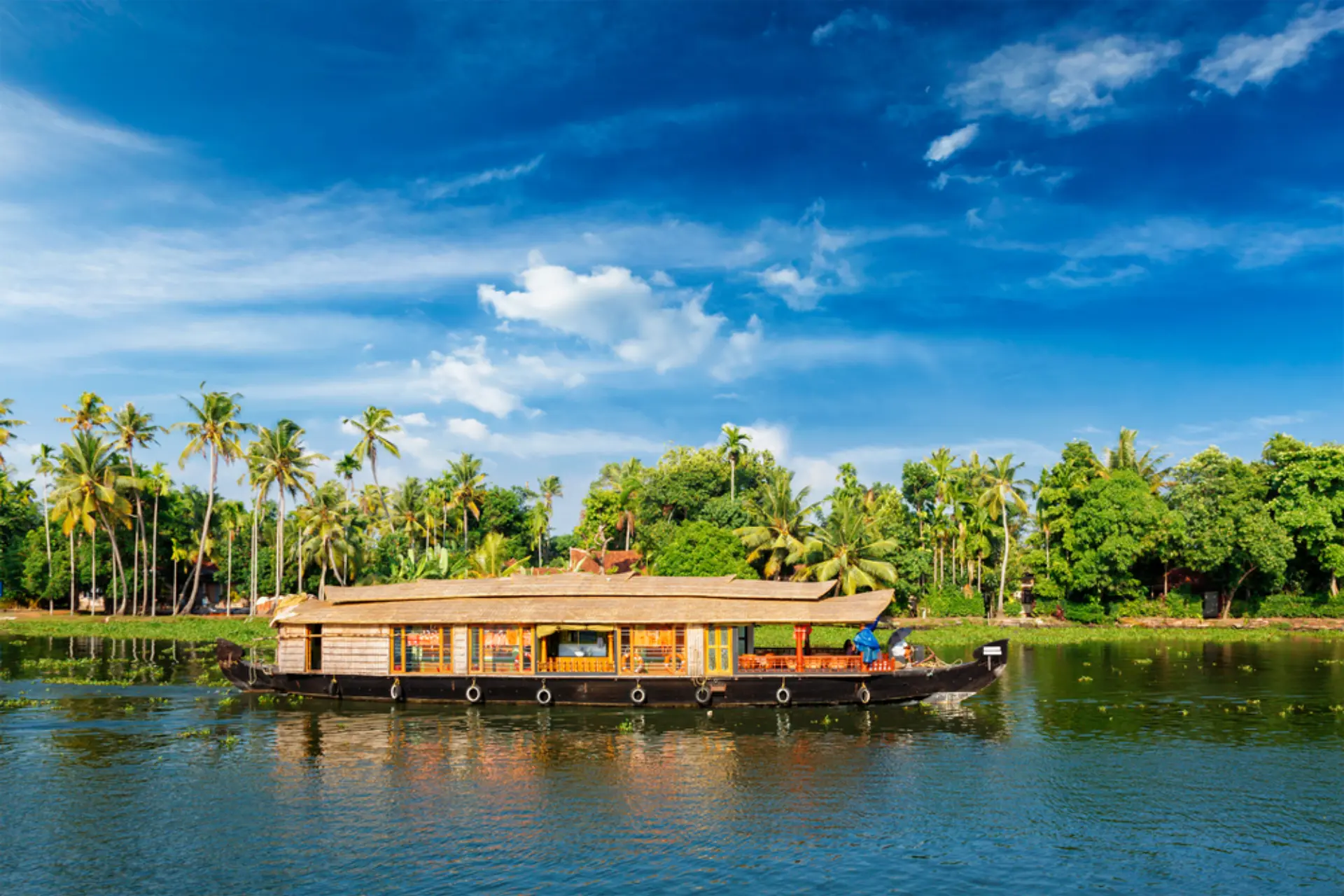
For Kerala Backwater Houseboat (Alleppey / Kumarakom)
A houseboat day on Kerala's backwaters is one of India's most peaceful and most memorable experiences — but it creates specific packing needs:
- Loose, comfortable clothing — you will be on a boat, not a sightseeing trail
- Sunscreen — the sun on open water is intense without the shade that city sightseeing usually provides
- Swimwear for hotel pool (some houseboats have swimming access)
- Insect repellent for evening — backwater mosquitoes at dusk are enthusiastic
- Light camera or phone with good camera — the light on the backwaters at sunrise and sunset is extraordinary
- Slip-on footwear — boat decks prefer shoes that come off easily
For South India Temple Visits (Tamil Nadu, Kerala)
South India's temple dress code is significantly stricter than North India's. Prepare specifically:
- Full-length, modest clothing for all women — long skirt or salwar kameez is the safest choice for Tamil Nadu temples
- Full-length trousers for men at all times
- A cotton dupatta or shawl for women — to cover shoulders and head at stricter temples
- Slip-on shoes or sandals — you will remove footwear very frequently at South Indian temple complexes
- A small cotton bag for carrying shoes inside larger temple complexes where shoe deposit points are far from the entrance
For Kerala / Karnataka Hill Stations (Munnar, Coorg, Ooty)
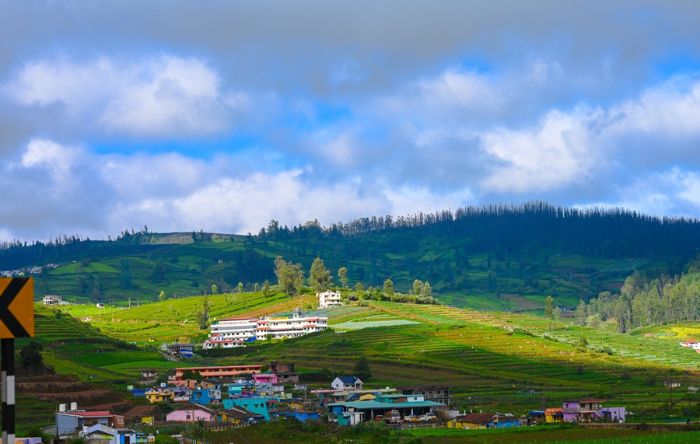
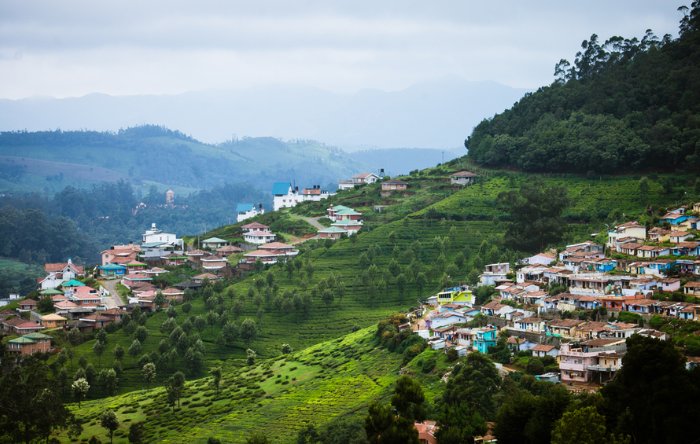
South India's hill stations sit at 1,500–2,500 metres altitude and are significantly cooler than the coast. Munnar in Kerala — India's most famous tea estate region — sits at 1,600 metres and experiences genuine cool evenings:
- One light fleece or warm layer for evenings — the one time South India packing requires a warm piece
- Waterproof jacket — hill stations receive significant rainfall throughout the year
- Waterproof walking shoes — tea estate trails and hillside paths are muddy
For Goa and South India Beach Destinations
Beach packing for South India's coastal destinations:
- Swimwear (2 pieces — one always drying)
- Light cover-ups that work for beach-to-restaurant
- Flip-flops and sandals as primary footwear
- After-sun lotion — beach sun is intense
- Waterproof phone case if snorkelling or water sports
South India Packing List — Master Checklist
Clothing (South India — All Seasons): Lightweight cotton/linen/rayon tops x4-5, Lightweight loose trousers x2-3 (essential for temple visits throughout South India), Modest, full-length skirt or salwar kameez x1-2 (for women visiting Tamil Nadu / Kerala strict temples), Quick-dry casual top x2 (especially for monsoon season or active days), Swimwear x2 pieces, Light cover-up for beach to restaurant, Light cardigan or thin layer x1 (for air-conditioned restaurants and domestic flights), One light fleece (hill stations only), Cotton dupatta or scarf x1-2, Comfortable underwear x5-6
Rain Gear (South India): Waterproof rain jacket (compact, packable), Compact waterproof umbrella (monsoon months or hill station travel), Waterproof daypack cover
Footwear (South India): Slip-on sandals with arch support x1 pair (primary shoe — temples require constant on-off), Lightweight walking shoes x1 pair (hill stations, temple complex long walks), Flip-flops x1 pair (beach and hotel use), Waterproof sandals (monsoon season)
Accessories (South India): Sun hat (wide-brimmed), Sunglasses, Sunscreen SPF 50+ (large quantity), Insect repellent DEET 30-50% (crucial in South India), Mosquito repellent plug-in or coil for hotel room evenings
PART 3 — PACKING FOR BOTH REGIONS (Combination Tours)
Many of my guests — particularly those visiting India for the first time from the USA, UK, and Europe — combine North and South India in a single trip. A typical combination might be: Delhi + Jaipur (Golden Triangle) → fly to Kochi for Kerala and Tamil Nadu. Or Rajasthan (10 days) → fly to Goa for a beach finale.
Here is how to pack smart for a north-south combination:
The Combination Packing Strategy
The core dilemma: Your North India warm layers (jacket, fleece, thermals for December–January travel) are dead weight in South India. Your South India beach and swimwear is unnecessary in Rajasthan's desert heritage circuit.
Solution 1 — Leave North India warm layers behind If you are flying from Jaipur or Delhi to South India, leave your warm jacket and thermal layers in a left-luggage facility at your Delhi hotel or at the airport. Many Jaipur heritage hotels also offer luggage storage. Collect them on your return to North India if your route requires.
Solution 2 — Pack only items that work in both regions Focus on lightweight cotton and linen clothing that works across both climates — with a single thin fleece that handles South India's hill stations AND North India's cool evenings. Avoid packing anything specific to only one region unless absolutely necessary.
Solution 3 — Buy what you need locally India is one of the world's great textile nations. A beautiful warm pashmina from Jaipur's bazaar serves as your North India warm layer and costs ₹500–₹2,000. A cotton salwar kameez from a Kochi market serves your South India temple needs and costs ₹300–₹800. Packing space is money — let India's markets fill the gaps.
The Ideal Combination Wardrobe (10-14 day North + South trip)
Clothing core (works in both regions):
- Lightweight cotton tops x4 (covered shoulders — temple appropriate for both North and South India)
- Lightweight linen trousers x2 (all-region essential)
- 1 thin fleece or light sweater (North India evenings AND South India hill stations)
- Cotton scarf / pashmina x1 (temple use in both regions)
- Swimwear x1 (South India beaches and hotel pools both)
- 1 light dress or smart casual outfit (evenings, dinner)
Add for North India specifically:
- 1 light down jacket (December–February only)
- Thermal base layer (January travel only)
- Warm socks x2 extra pairs
- Gloves + hat (December–January)
Add for South India specifically:
- Compact waterproof rain jacket
- Extra lightweight top x1-2 (sweat changes more frequent)
- Mosquito repellent DEET 50% (more essential than North)
- Waterproof sandals if monsoon season
Quick Comparison Reference Table
|
Packing Element
|
North India
|
South India
|
|
Best Fabric
|
Cotton, linen
|
Cotton, linen, rayon
|
|
Winter layers
|
Essential (Dec-Feb)
|
Not needed
|
|
Rain jacket
|
Monsoon only (Jul-Sep)
|
Recommended
|
|
Warm evenings
|
Fleece/jacket (Oct-Mar)
|
Hill stations only
|
|
Temple dress
|
Modest, flexible
|
Strict — long coverage
|
|
Insect repellent
|
Recommended
|
Essential
|
|
Swimwear
|
Hotel pools
|
Beaches + pools
|
|
Quick-dry clothes
|
Monsoon only
|
Recommended
|
|
Shoe style
|
Slip-on + walking shoes
|
Slip-on sandals primary
|
|
Sun protection
|
Essential
|
Essential
|
A Final Word — From the Road Between Jaipur and Kochi
After ten years and hundreds of tours, I have come to believe that the guests who have the best India experiences are the ones who pack with genuine thought — not over-packing out of anxiety, and not under-packing out of misplaced minimalism.
India will ask things of your wardrobe that no other destination does: the modesty of a temple, the practicality of a fort cobblestone, the breathability of a Kerala afternoon, the warmth of a Jaisalmer desert night. A thoughtful, region-specific packing approach honours every one of these demands — and leaves you free to experience India fully, without spending a single moment of your trip uncomfortable, inappropriately dressed, or wishing you had packed differently.
Pack smart. Pack for the India you are actually visiting. And then leave the rest of the suitcase space for the extraordinary things India's markets will send home with you.
Feel free to reach out with any questions about packing or preparing for your India journey. I read and respond to every message personally — email us at mydreamindiatour@gmail.com or WhatsApp at +91-87695-95984.
Plan Your India Tour with My Dream India Tour
Whether you are planning a North India Golden Triangle and Rajasthan tour, a South India Kerala and Tamil Nadu journey, or an extraordinary combination of both — My Dream India Tour is your Jaipur-based private tour partner for every India destination.
Every guest receives a detailed pre-trip briefing covering exactly what to pack for their specific itinerary, season, and activity list.
Rajasthan Tours
Golden Triangle Tours
North India Tours
South India Tours
Wildlife Safari Tours
Same Day Tours
WhatsApp / Call: +91-87695-95984 | +91-70625-12828
Email: mydreamindiatour@gmail.com
Website: www.mydreamindiatour.com
Based in: Jaipur, Rajasthan, India
Rated #186 of 1,161 Tours & Activities in Jaipur — TripAdvisor
© 2026 My Dream India Tour Author: Mukesh Sain, Founder & Senior Tour Guide, Jaipur
Frequently Asked Questions
Q: What is the biggest packing mistake for North India? Not packing warm enough for December and January travel. North India's peak tourist season coincides with its coldest months — and the temperature swing between a sunny Jaipur afternoon and a pre-dawn Ranthambore safari or Taj Mahal sunrise is significant. Always pack a proper warm layer for October to February North India travel. Guests who pack only summer clothing for Rajasthan in January invariably wish they had listened to this advice.
Q: What is the biggest packing mistake for South India? Overpacking — specifically bringing North India warm layers to Kerala. South India's winter is genuinely warm (22–30°C). The second most common mistake is not packing a proper waterproof jacket for monsoon season travel. A compact umbrella is not sufficient for South India's heavy monsoon rainfall — a waterproof jacket is essential.
Q: Can I use the same wardrobe for both North and South India? Largely yes — if you focus on lightweight cotton and linen clothing that covers shoulders and knees (appropriate for temples in both regions). The main additions for North India are warm layers (October to February) and the main addition for South India is a rain jacket. A well-planned combination wardrobe of 6-8 clothing items can serve both regions comfortably with minimal additions.
Q: What should I wear in Kerala specifically? Lightweight, breathable cotton or linen clothing year-round. For temple visits — particularly the strict temples of Tamil Nadu and Kerala — full-length, modest clothing is essential. A cotton salwar kameez (available locally for ₹300–₹800) is the ideal all-purpose South India garment for women. For men — full-length lightweight cotton trousers with a short-sleeved shirt covers every South India context.
Q: Do I need different shoes for North and South India? Not necessarily — a quality pair of slip-on sandals works as the primary shoe in both regions. However, South India's more frequent temple visits (where shoes are removed at every entrance) make slip-on footwear even more essential than in North India. For North India's cooler months and longer fort walks, a pair of enclosed walking shoes with grip soles is more important than in South India.
Q: What should I pack for a Rajasthan desert trip specifically? For desert areas (Jaisalmer, Sam Sand Dunes): lightweight long-sleeved tops for sun protection on the dunes, closed-toe shoes for camel riding, a warm layer for evening (desert temperatures drop sharply after sunset), sunglasses and a wide-brimmed sun hat, and a good quality dust-filtering scarf for windy desert driving.


.jpg)














.jpg)
.jpg)
.jpg)



.webp)