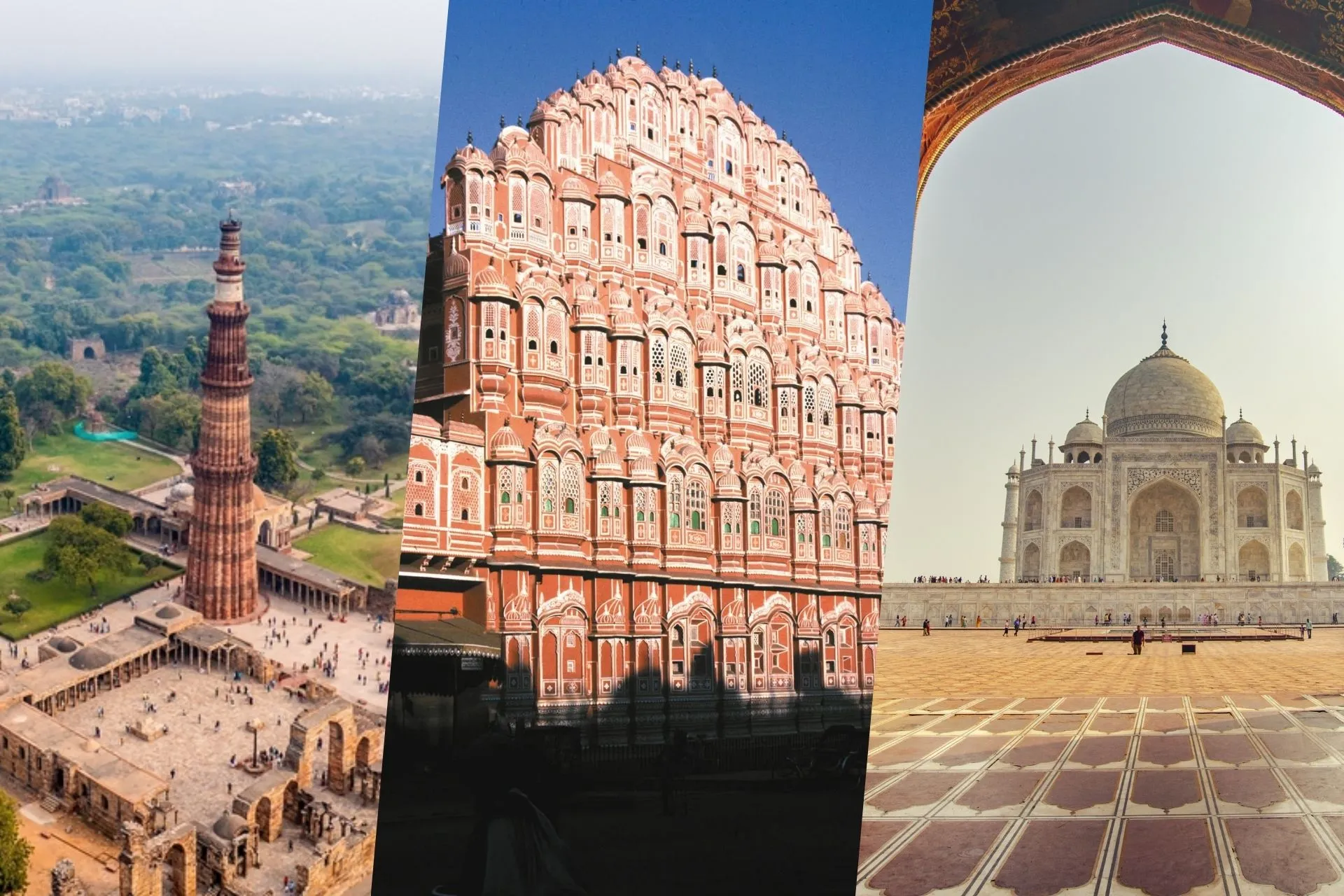
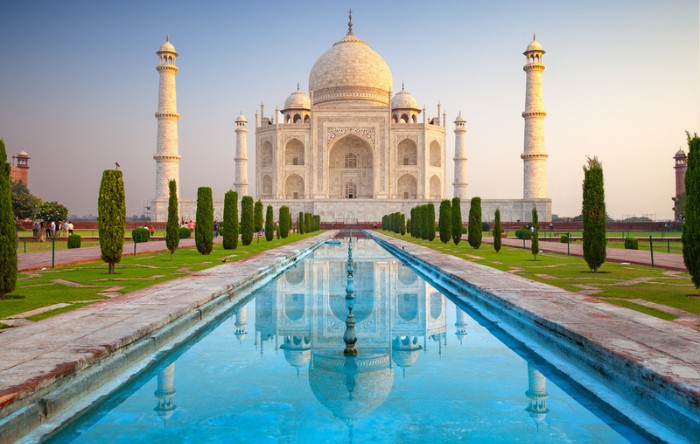
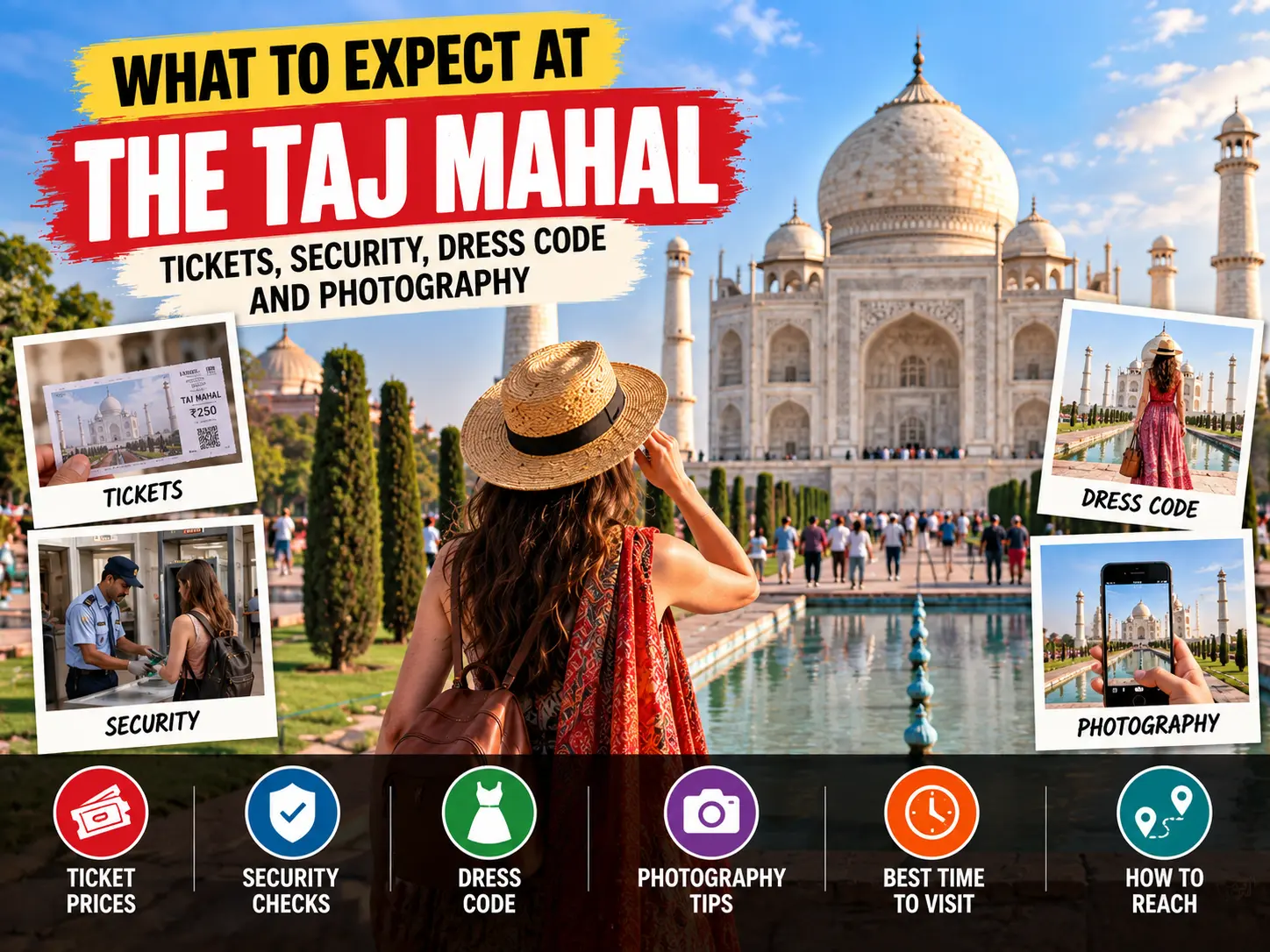
Planning a Taj Mahal visit? Get the 2026 foreigner ticket price, opening hours and the Friday closure, plus what you can’t carry inside, dress code advice and photography rules, all checked against official sources.
All Category
By Mukesh Sain | Founder & Senior Tour Guide, My Dream India Tour Based in: Jaipur, Rajasthan, India Last Verified: 16 October 2026 | Reading Time: 12 minutes
A foreign tourist pays ₹1,100 for Taj Mahal entry, plus an optional ₹200 to go inside the main mausoleum (₹1,300 in total). The Taj Mahal is closed to general visitors every Friday, opens 30 minutes before sunrise and closes 30 minutes before sunset, bans tripods, drones, food, headphones and phone chargers, and allows no photography inside the main mausoleum..
I've guided many first-time visitors through the Delhi–Agra leg of our Golden Triangle tours, and the same handful of surprises catches almost everyone: the Friday closure, the items they can't carry, and the confusion over which gate to use. Let me walk you through all of it so none of that happens to you.
|
Question |
Answer |
|
Foreign tourist entry |
₹1,100 |
|
Main mausoleum (optional) |
+ ₹200 |
|
Online booking discount |
₹50 off each foreign ticket |
|
Children under 15 |
Free (Indian and foreign) |
|
Closed on |
Fridays (general viewing) |
|
Opens |
30 minutes before sunrise |
|
Closes |
30 minutes before sunset |
|
Entry gates |
East Gate and West Gate (South Gate is exit only) |
|
Photography inside the mausoleum |
Not allowed |
|
Night viewing |
5 nights around each full moon, ₹750 for foreigners |
The Taj Mahal opens 30 minutes before sunrise and closes 30 minutes before sunset on normal operating days. Because those times follow the sun, the actual clock times shift through the year. In the cooler winter months the monument opens later in the morning and closes earlier in the evening than it does in summer. Check the exact sunrise and sunset times for your travel date and work backwards from there.
The Friday closure is the single biggest planning trap: The Taj Mahal is closed to general visitors every Friday, while other Agra monuments such as Agra Fort stay open. If your Agra day falls on a Friday, you'll want to swap the order of your itinerary rather than lose the whole visit. This is why we plan Golden Triangle routes around the Friday closure before anything else.
Ticket counters keep slightly different hours from the monument itself: At the East and West Gate counters, tickets are sold from one hour before sunrise until 45 minutes before sunset. That's a useful detail if you're racing to arrive for the first light.
Best season: The official site lists October to March as the best season to visit, and that matches what I tell guests: the weather is comfortable for walking the gardens, and you avoid the punishing summer heat.
Best time of day: Sunrise is the favourite for most visitors, since the marble takes on a soft pink glow and the crowds are thinner. Sunset is also lovely, though it's usually busier. Early morning also helps you beat the heat in warmer months.
Here is the official fee structure, which already includes the ASI and Agra Development Authority charges:
|
Visitor Type |
Entry Fee |
Main Mausoleum (Optional) |
Total With Mausoleum |
|
Foreign tourist |
₹1,100 |
+ ₹200 |
₹1,300 |
|
SAARC and BIMSTEC citizens |
₹540 |
+ ₹200 |
₹740 |
|
Indian citizens and OCI cardholders |
₹50 |
+ ₹200 |
₹250 |
At recent exchange rates, ₹1,300 comes to roughly US$15 to $16, though the exact figure depends on the day's rate.
What the ₹1,100 ticket covers: The gardens, the mosque and the platform around the mausoleum. Going inside the marble tomb, where the cenotaphs of Mumtaz Mahal and Shah Jahan are, needs the extra ₹200. Most first-time visitors tell me it's worth it, but if you only want the exterior views and the photographs, you can skip it.
What comes free with a foreigner's ticket: According to the official site, shoe covers, a half-litre water bottle, a tourist guide map of Agra, and the battery bus or golf cart service are provided free of cost with the SAARC, BIMSTEC and foreigner entry ticket. Many visitors pay a tout for things their ticket already covers, so remember this when someone at the gate offers to "arrange" them.
Children: There is no entry fee for children below 15 years, for both domestic and foreign visitors.
Online discount: Tourists who buy online get ₹5 off each Indian ticket and ₹50 off each foreigner ticket. For a couple, that's ₹100 saved, plus you skip the ticket counter queue.
You have two routes:
My advice is to book online if you can, mainly to save time and avoid the possibility of paying someone who isn't an official seller. If you're booking through a tour operator, confirm whether entry tickets are included so you don't pay twice.
Two gates are open for entry, and the South Gate is exit only at present:
No polluting vehicles are allowed within 500 metres of the Taj Mahal, so you'll complete the last stretch from the parking area by battery bus or golf cart, which the official site lists as available. Plan for a few extra minutes between your car and the gate.
This is the section that saves the most headaches, so read it twice. Security screening is thorough, and the official guidance is clear about what's prohibited.
Allowed:
Prohibited, per the official Do's and Don'ts:
Bags and books: The official site advises against carrying big bags and books because they lengthen your security check. If you're travelling with larger luggage, leave it in your car or hotel. Don't plan on a cloakroom being convenient, and don't assume it will be available at the gate.
My practical tip: Treat the entry like an airport security line. Leave the power bank, charger, headphones and snacks in the vehicle before you reach the queue. It is far easier to put them back in the car than to be sent back from the front of the line.
Here is something worth being precise about: the official Taj Mahal website does not publish a formal dress code. The Do's and Don'ts list covers behaviour, prohibited items and photography, but it doesn't set clothing rules.
That said, the Taj Mahal is a mausoleum and an active place of reverence, and I give guests the same practical advice every time:
Photography is one of the great joys of visiting, so here's exactly where you can and can't use your camera.
Allowed: Photography of the gardens, the exterior, the reflecting pools, the mosque and the platform. Still cameras are permitted.
Not allowed:
Hiring photographers: The official site advises tourists to hire approved guides and photographers who exhibit their identity cards. If someone offers to take your photo, check for that ID first.
Photography tips from the ground:
(Photo placeholder for Mukesh: add 3 to 4 original photos here, such as the main gate at sunrise, the reflecting pool, the marble platform detail and the garden path. Suggested alt text: "Taj Mahal at sunrise from the main gate, Agra", "Reflecting pool at the Taj Mahal with visitors".)
Night viewing is available on only five nights each month: the full moon night, plus two nights before and two after. It runs from 20:00 to 23:59 in 8 batches of a maximum of 50 people, with 30 minutes per batch. For foreigners the ticket is ₹750 per adult; children aged 3 to 15 pay ₹500.
Some important conditions from the official site:
Because slots are limited, book as early as the official portal allows and check the published night-viewing calendar for your dates.
After years of sending guests to Agra, these are the errors I see most often:
1. Planning the visit for a Friday: The monument is closed for general viewing. Check your day of the week before you finalise your Agra plan.
2. Carrying banned items: Chargers, headphones, food, tripods and drones are the usual culprits. Leave them in the car.
3. Paying for things already included: Shoe covers, a half-litre water bottle, the guide map and the battery bus are provided with the foreigner ticket. Don't pay a stranger for them.
4. Buying from unofficial sellers: Use the official portals or the ticket counters at the gates, and keep your receipt.
5. Going to the wrong gate: Only the East and West Gates are open for entry. The South Gate is exit only.
6. Arriving at midday in summer: The heat and the glare make the visit tiring. Early morning is kinder to you and to your photographs.
7. Skipping the mausoleum add-on without thinking: The extra ₹200 gets you into the tomb chamber. Decide before you reach the counter, but know that photography is prohibited inside.
8. Treating the visit as a 30-minute stop: Allow at least two to three hours, including security, the walk from parking and time in the gardens.
9. Forgetting ID: Carry your passport or a copy, especially if you plan night viewing, where ID is required.
10. Expecting to take photos everywhere: Keep the camera away inside the mausoleum and respect the quiet.
Screenshot this before you leave your hotel:
The Taj Mahal is the highlight of the Delhi–Agra leg, and most international guests build it into a longer route rather than a standalone trip. Our Golden Triangle Tours connect Delhi, Agra and Jaipur, and can extend into Rajasthan's forts and palaces. If you'd like Agra Fort and Mehtab Bagh added, we plan the day around the Friday closure and the sunrise light so you're not rushing.
The Taj Mahal rewards preparation. Know the Friday closure, leave the banned items in the car, book your ticket through an official channel, and give yourself time. Do that, and the security line becomes a footnote and the monument becomes the memory you flew here for.
If you're planning the Delhi–Agra leg and would like a route built around the Friday closure, the sunrise light and your pace, message me directly. I read and respond to every enquiry myself.
— Mukesh Sain, Founder, My Dream India TouPlan Your India Tour with My Dream India Tour
WhatsApp / Call: +91-87695-95984 | +91-70625-12828 Email: mydreamindiatour@gmail.com Website: www.mydreamindiatour.com Based in: Jaipur, Rajasthan, India
Rajasthan Tours | Golden Triangle Tours | South India Tours | Wildlife Safari Tours | North India Tours
Rated #186 of 1,161 Tours & Activities in Jaipur — TripAdvisor
© 2026 My Dream India Tour. Author: Mukesh Sain, Founder & Senior Tour Guide, Jaipur.
Q: How much is the Taj Mahal ticket for foreigners?
Foreign tourists pay ₹1,100 for entry, plus an optional ₹200 for the main mausoleum, so ₹1,300 in total. Booking online saves ₹50 per foreign ticket, and children under 15 enter free.
Q: What day is the Taj Mahal closed?
The Taj Mahal is closed to general visitors every Friday. Other days it is open, and night viewing is also closed on Fridays.
Q: What are the Taj Mahal opening hours?
It opens 30 minutes before sunrise and closes 30 minutes before sunset on normal operating days, so exact times change with the season.
Q: Is there a dress code at the Taj Mahal?
The official website doesn't publish a formal dress code. Modest, comfortable clothing covering shoulders and knees is the respectful and practical choice.
Q: Can I take photos inside the Taj Mahal?
You can photograph the gardens, exterior and platform with a still camera, but photography is prohibited inside the main mausoleum. Drones and tripods are not allowed.
Q: What items are not allowed inside the Taj Mahal?
Drones, tripods, food and eatables, tobacco and smoking items, liquor, headphones, knives, wire, weapons, mobile chargers and electrical goods (other than a camera) are all prohibited. Water bottles are allowed.
Q: Which gate should I use to enter?
Use the East Gate or the West Gate. The South Gate is currently exit only.
Q: How long should I plan for a Taj Mahal visit?
Allow two to three hours including the security check, the walk from parking and time in the gardens.
Q: Can I visit the Taj Mahal at night?
Yes, but only on five nights each month around the full moon, in small timed batches. Foreign adults pay ₹750 and mobile phones are not allowed.

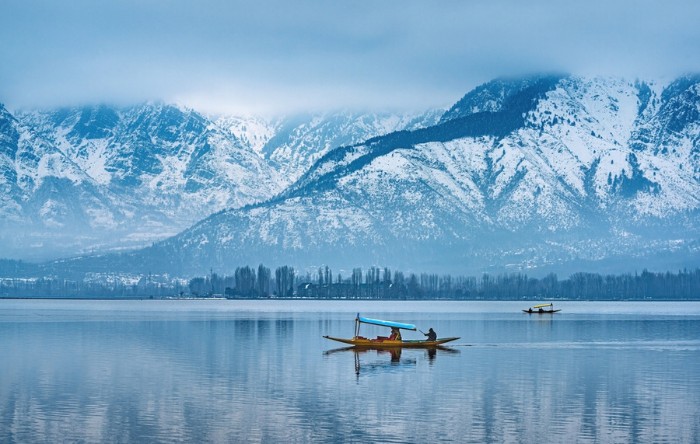
Explore the allure of Kashmir's wintertime with our list of the top 7 places to go skiing. These snowy paradises, which range from the immaculate slopes of Gulmarg to the tranquil beauty of Yusmarg, provide amazing scenery and exhilarating winter activities. Everyone can find something to enjoy in Kashmir's winter wonderlands, be it adventure, peace, or cultural encounters. Set yourself the ideal winter getaway right now!
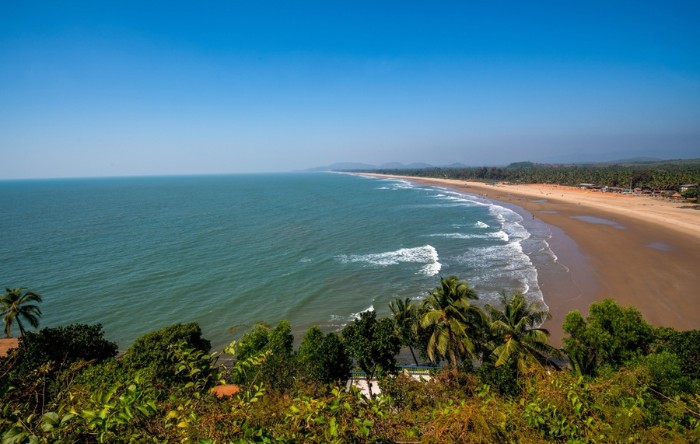
Discover "Beach Haven: India's Top Seaside Vacation Spots" and its attractions. This book highlights India's top coastal attractions, which range from the colorful beaches of Goa to the serene backwaters of Kerala. Explore immaculate beaches, exhilarating aquatic activities, and bustling nightlife, providing a memorable holiday experience.
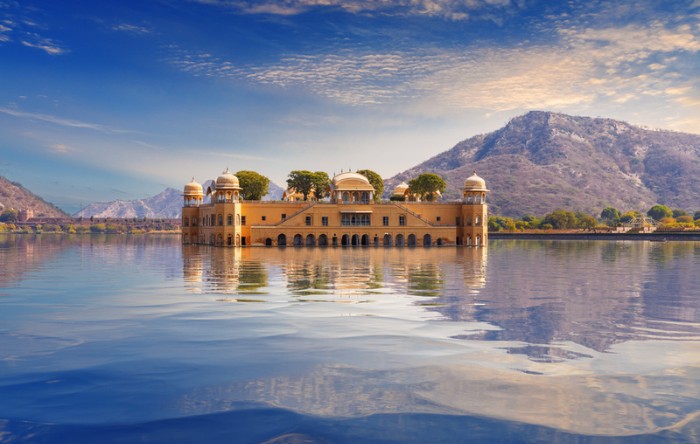
With our "Golden Sands and Royal Palaces: Rajasthan Discovery Tour," discover the splendor of Rajasthan. Take a tour of the state's magnificent forts, lively bazaars, and lavish mansions. Wander across Rajasthan's golden dunes and take in the regal allure of its royal palaces as you see the state's rich cultural legacy.
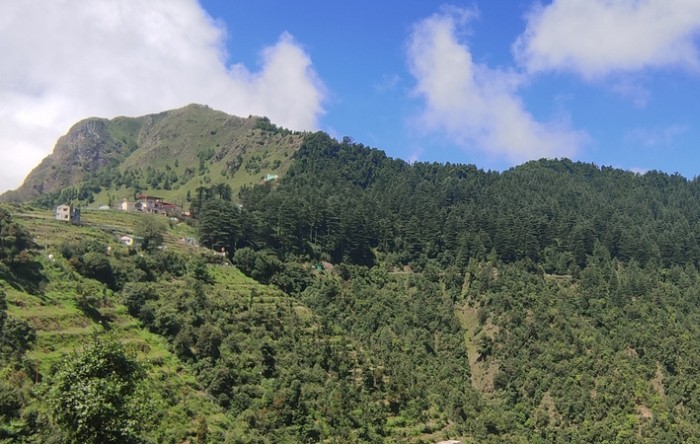
Discover the well-known Hindu temples of Uttarakhand, which are tucked away in the magnificent Himalayas. Explore historic spirituality in the midst of nature at sites like Badrinath, Kedarnath, Gangotri, and Yamunotri. Explore history at Jageshwar and Mansa Devi, where magnificent architecture and faith collide.
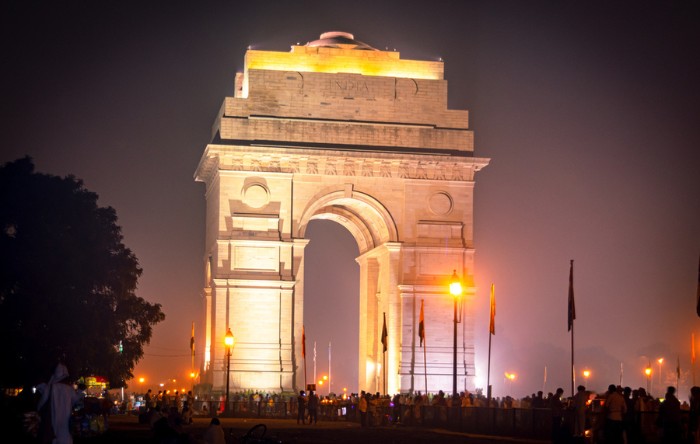
Explore India's Seven Incredible Wonders, a group of breathtaking sites that perfectly capture the nation's breathtaking natural beauty and rich cultural legacy. Every wonder, from historic temples to magnificent landscapes, offers a different tale of history and culture that piques curiosity and inspires awe.
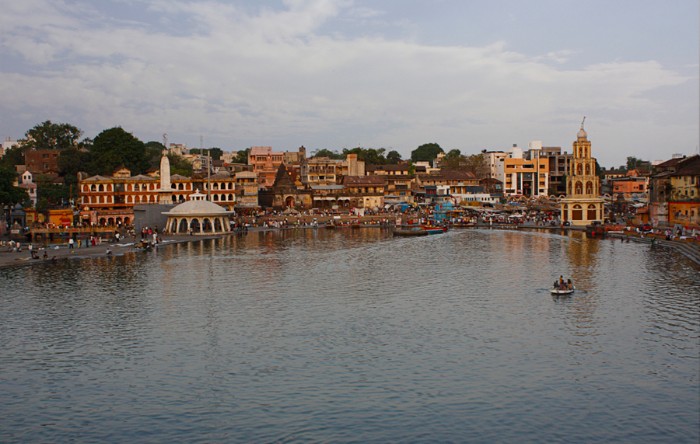
Find the best places in Nashik for those who enjoy history and culture. Discover the vivid cultural attractions, mediaeval forts, and ancient temples that showcase this intriguing region's rich legacy and customs. Nashik has a plethora of activities to offer anyone interested in culture or history.
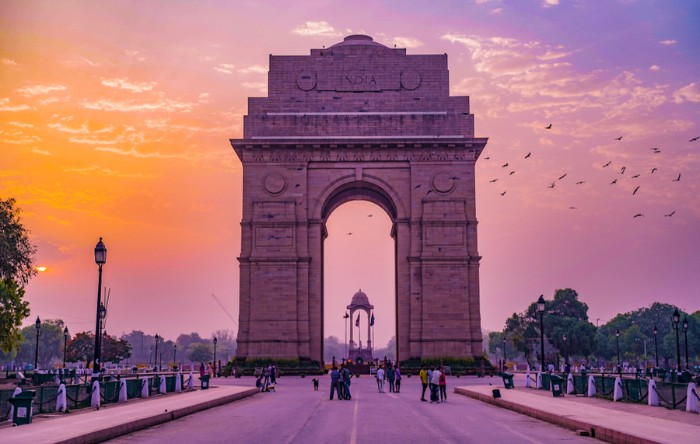
Discover the pinnacle of passion and love at some of India's most alluring locations for honeymoons in 2024. These carefully chosen locations offer the ideal fusion of beauty, peace, and romance, guaranteeing a wonderful beginning to your new life together.

Discover why North India should be your next destination. From the majestic Himalayas and the serene Ganges to vibrant cities and historic landmarks, North India offers a rich tapestry of experiences. Enjoy thrilling adventures, spiritual retreats, diverse cultures, and mouth-watering cuisine, all in one captivating region.
.jpg)
Find out which Indian winter destinations are the finest in 2024! Discover the ideal winter escape, from the tranquil beaches of Goa to the snow-capped peaks of Himachal Pradesh. See our carefully prepared selection of the top destinations in India for a fantastic winter getaway.
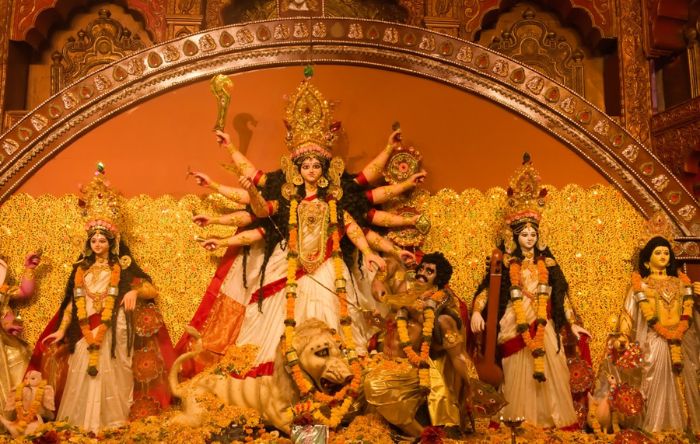
Discover the top 10 destinations in India to experience the vibrant and enchanting celebrations of Navratri. From traditional Garba and Dandiya dances to grand Ramlila performances and spectacular temple decorations, these locations offer a unique and unforgettable Navratri experience. Dive into the cultural richness and spiritual fervor of this nine-night festival across India's most festive cities

Find out where in India the best places are to celebrate Makar Sankranti, where colourful customs and cultural events come to life. Discover the distinctive festivities that make this festival genuinely exceptional, from the large-scale kite festival in Ahmedabad to the holy rites in Haridwar.
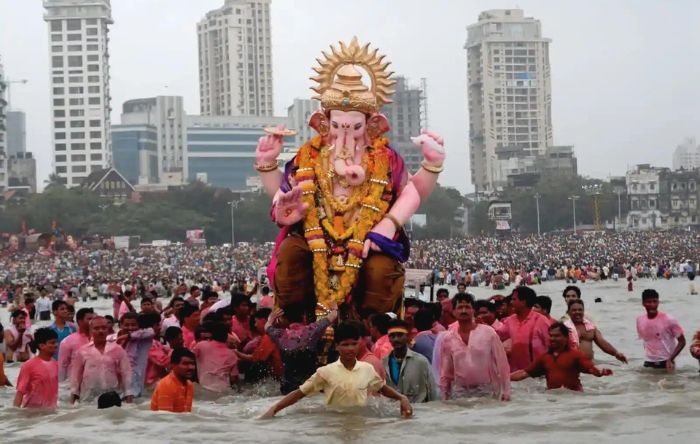
Discover the top locations in India for an elegant Ganesh Chaturthi celebration. Enjoy the cultural diversity and fervour that make this holiday so unique, from the lavish celebrations in Mumbai to the colourful processions in Pune. Find out where in the nation you may take part in the most magnificent Ganesh Chaturthi events.

In India, Christmas is a lively occasion celebrated with festive decorations, snacks, carols, and adorned trees. People of all faiths appreciate the event and partake in the fun, even though it is mainly celebrated in urban areas and areas with higher Christian populations, such as the South and Northeast. Indian Christmas celebrations are just as magical even if they differ from those of other countries.
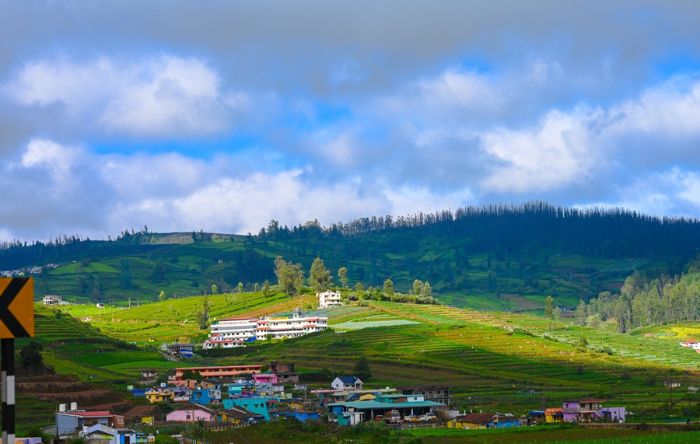
September is a great month to visit India because of the country's beautiful scenery and comfortable temperatures. Explore the calm backwaters of Kerala and the undulating hills and tea gardens of Ooty. Savour the colourful festivities in Varanasi. September is the ideal month for an unforgettable getaway because each location offers a special fusion of adventure, culture, and nature.

"November is a lovely month in India when the weather turns nice, making it ideal for visiting some of the most captivating places in the nation. Travelers can enjoy a wide variety of experiences in India, from the lively cultural events in Pushkar and Varanasi to the tranquil beaches of Goa and the foggy highlands of Wayanad. Explore the top destinations for November and take in all that each one has to offer in terms of beauty, culture, and adventure."

Explore the allure of Udaipur by using our guide to the Top 8 Sites to See in this captivating city. These top attractions, which range from the majestic City Palace to the tranquil Lake Pichola, combine history, culture, and scenic beauty, making Udaipur an essential travel destination. Udaipur offers an amazing experience, whether you're taking a leisurely boat trip or touring magnificent palaces. The city's rich history and beautiful scenery guarantee an amazing day.
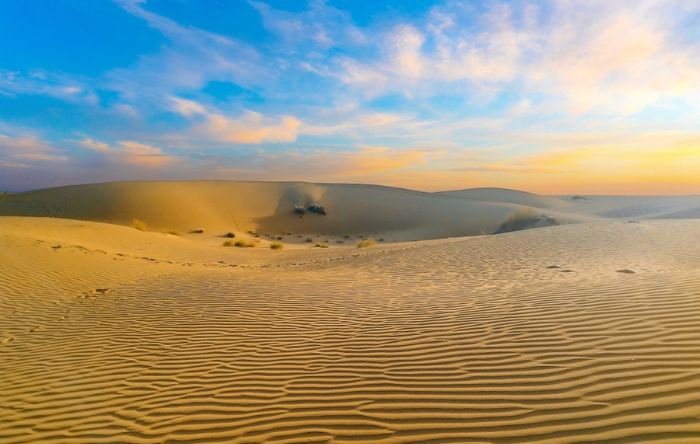
Explore the top 5 deserts in India and its magnificent beauty, from the immense salt flats of the Rann of Kutch to the golden dunes of the Thar Desert. Discover distinctive topographies, vibrant civilizations, and life-changing encounters in these captivating desert locations.

In this guide, we cover India's best road trips in 2026 — categorised by vehicle type (car or bike), distance, difficulty, and best season — so you can plan your perfect India road trip, whatever your style, budget, or timeline.

This guide covers everything you need — step-by-step guide - how to apply for the Indian e_Tourist Visa in 2026, application instructions, current fees by country, required documents, processing times, common mistakes to avoid, and the most frequently asked questions from international travellers planning their India trip.

This guide covers the best Indian forts to visit — categorised by region, with entry fees, visiting tips, best time to visit, and how to include each in your India tour itinerary. We begin, naturally, with Rajasthan — India's Fort Capital.

This is the exact advice I give every international guest before they fly to India what to pack for India: the complete international packing list — refined over hundreds of tours, thousands of conversations, and one very important principle: pack smart, pack light, and pack for the India you are actually going to, not the India you imagined.

After a decade of guiding international tourists through India's forts, temples, and desert cities, I have seen one mistake ruin more trips than any other — the wrong shoes. This guide gives you the honest answer: exactly what footwear to pack for India, by destination, by season, and by activity.

After ten years of guiding international tourists through India's temples, forts, and desert cities, this is the question I am asked most often. The answer is not a simple yes or no — it depends entirely on where you are and what you are doing. Here is the honest, location-by-location guide that will help you pack right and show up confidently at every stop on your India journey.

Here is the one thing most India packing guides miss entirely. India is not one climate — it is many. At the same moment in January, Jaipur is shivering at 6°C and Kochi is warm at 29°C. After ten years of guiding guests from the USA, UK, Canada, France, and Germany through both regions, here is the exact, region-by-region packing guide that will keep you comfortable from your first morning in Rajasthan to your last evening on Kerala's backwaters.

Delhi Belly ruins more India trips than bad weather, delayed trains, and jet lag combined. Not because India is dangerous — but because most international travellers arrive completely unprepared for the one health challenge that India presents more than any other.
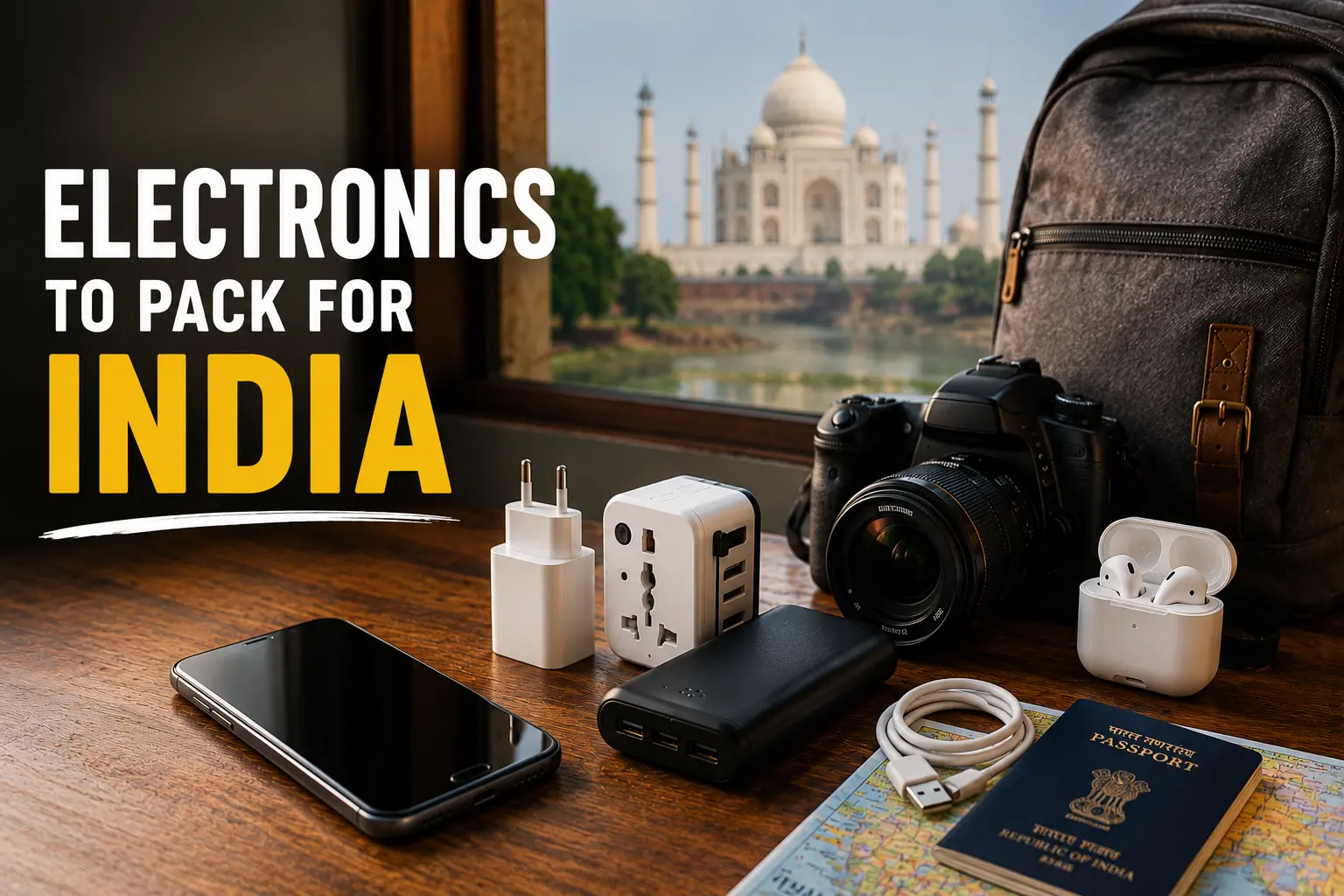
This guide covers every electronic item an international tourist actually needs in India — ranked by importance, with specific recommendations by country, honest notes on what gets damaged in India's power system, and a clear list of what to leave at home entirely.

Discover India's most spectacular wildlife destinations in this comprehensive 2026 safari guide. From the tiger reserves of Ranthambore and Bandhavgarh to Gir's Asiatic lions and Kaziranga's one-horned rhinos, learn the best time to visit, safari planning tips, and everything you need for an unforgettable wildlife adventure across India.
"Mukesh, how many days do I actually need in India?" It is the question that arrives in my WhatsApp from New York, London, Toronto, Berlin, and Paris — sometimes at very strange hours. And after ten years of designing India itineraries for hundreds of international guests, I have one consistent answer: Whatever number you have planned — add two more. This guide tells you exactly why — and gives you the honest, experience-based breakdown for 5, 10, and 15-day trips, with complete day-by-day itineraries for each.
The Golden Triangle and Rajasthan are not competing tours —they are two chapters of the same story. One gives you the Taj Mahal and Mughal grandeur in 5 to 7 days. The other takes you deeper into desert forts, lake palaces, and camel safaris. This guide tells you which is right for your trip.

Is India actually safe for a woman traveling solo? An honest, no-fear-mongering guide with real precautions, the safest regions to start with, and what to expect — from a Jaipur-based tour guide who's guided hundreds of solo female travelers.