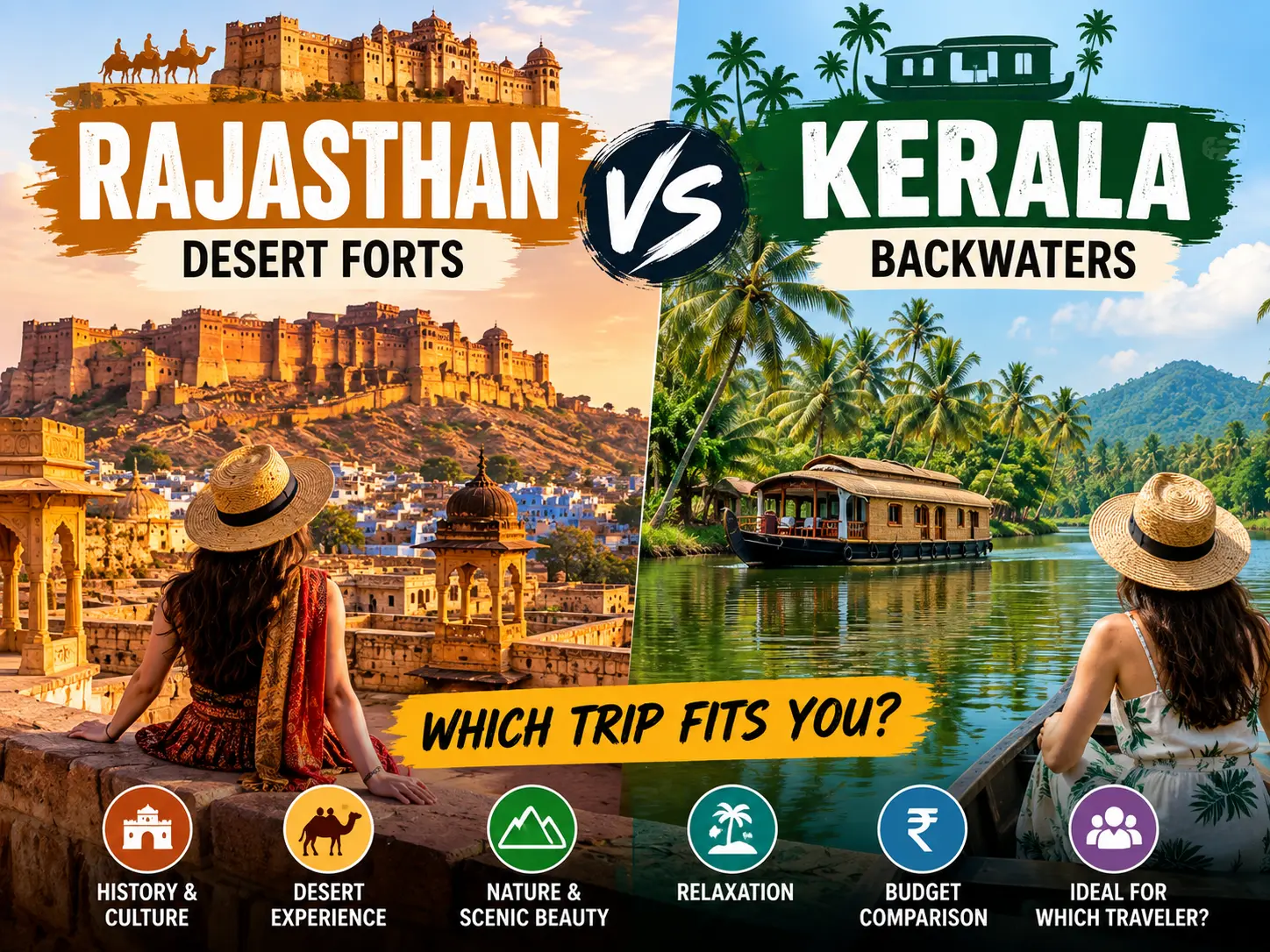
Desert forts or backwaters — which one is really your trip? An honest comparison of Rajasthan and Kerala covering pace, climate, cost, and experiences, from a Jaipur-based tour guide who has sent guests to both.
Rajasthan Tours
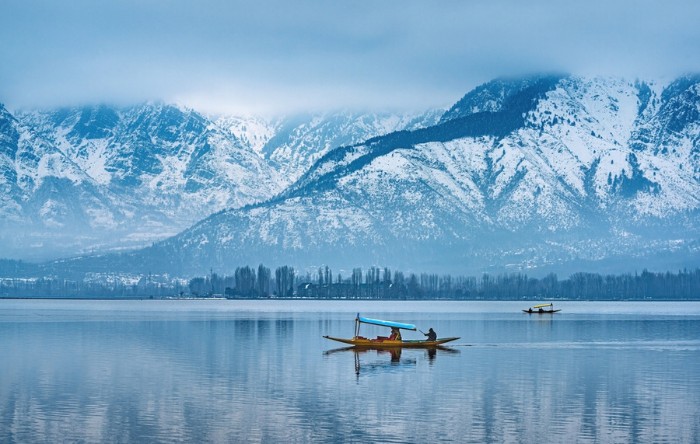
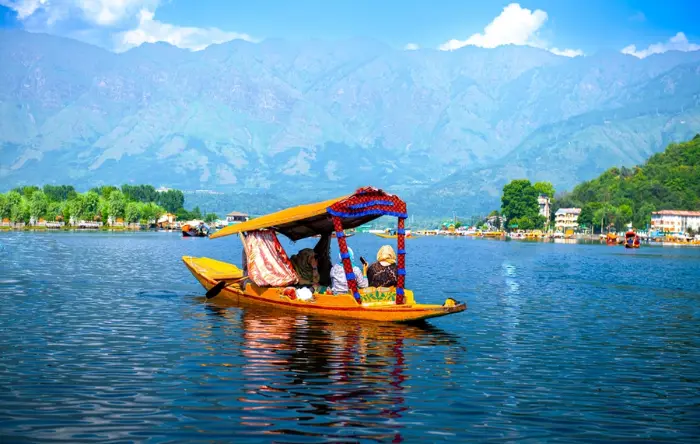
Explore the allure of Kashmir's wintertime with our list of the top 7 places to go skiing. These snowy paradises, which range from the immaculate slopes of Gulmarg to the tranquil beauty of Yusmarg, provide amazing scenery and exhilarating winter activities. Everyone can find something to enjoy in Kashmir's winter wonderlands, be it adventure, peace, or cultural encounters. Set yourself the ideal winter getaway right now!
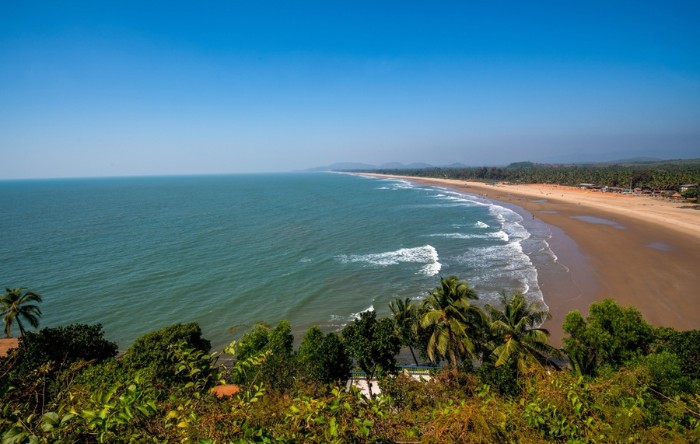
Discover "Beach Haven: India's Top Seaside Vacation Spots" and its attractions. This book highlights India's top coastal attractions, which range from the colorful beaches of Goa to the serene backwaters of Kerala. Explore immaculate beaches, exhilarating aquatic activities, and bustling nightlife, providing a memorable holiday experience.
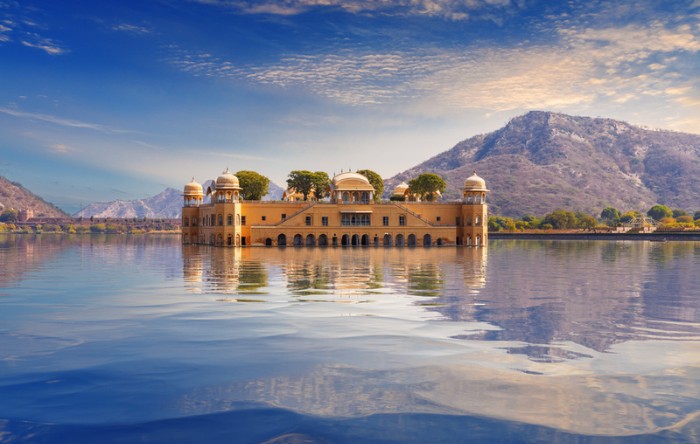
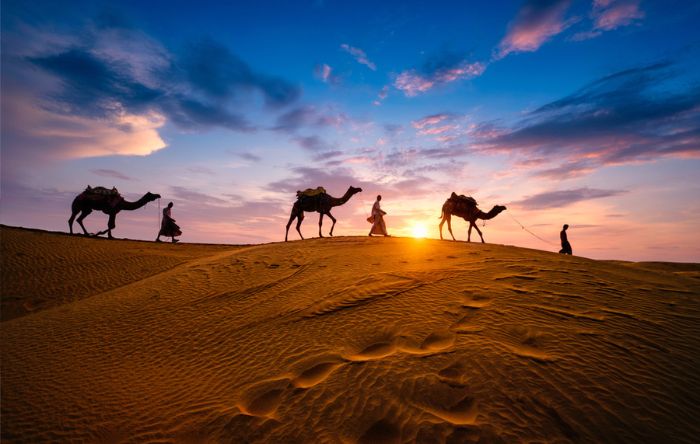
With our "Golden Sands and Royal Palaces: Rajasthan Discovery Tour," discover the splendor of Rajasthan. Take a tour of the state's magnificent forts, lively bazaars, and lavish mansions. Wander across Rajasthan's golden dunes and take in the regal allure of its royal palaces as you see the state's rich cultural legacy.
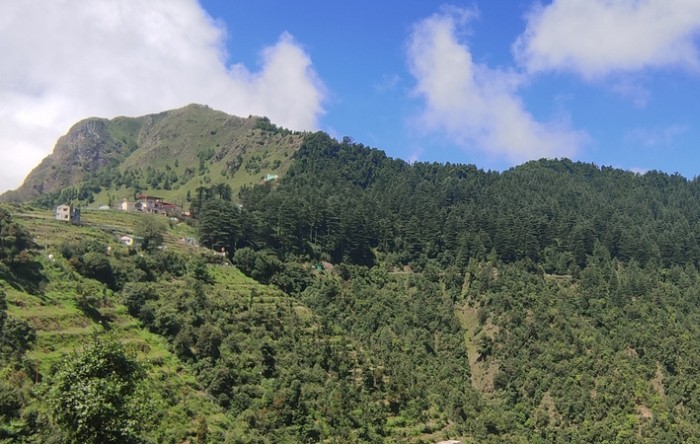
Discover the well-known Hindu temples of Uttarakhand, which are tucked away in the magnificent Himalayas. Explore historic spirituality in the midst of nature at sites like Badrinath, Kedarnath, Gangotri, and Yamunotri. Explore history at Jageshwar and Mansa Devi, where magnificent architecture and faith collide.
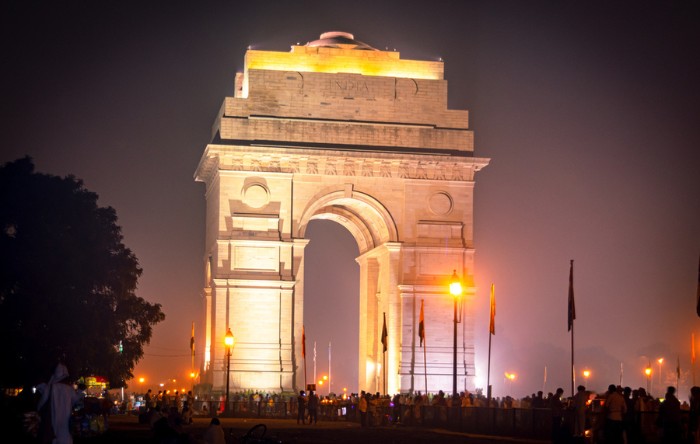
Explore India's Seven Incredible Wonders, a group of breathtaking sites that perfectly capture the nation's breathtaking natural beauty and rich cultural legacy. Every wonder, from historic temples to magnificent landscapes, offers a different tale of history and culture that piques curiosity and inspires awe.
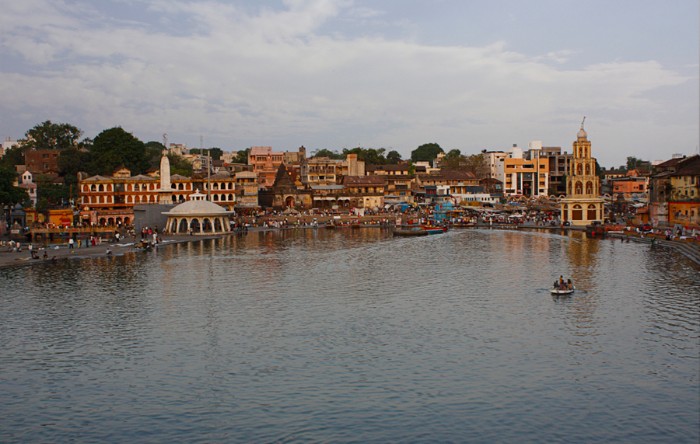
Find the best places in Nashik for those who enjoy history and culture. Discover the vivid cultural attractions, mediaeval forts, and ancient temples that showcase this intriguing region's rich legacy and customs. Nashik has a plethora of activities to offer anyone interested in culture or history.
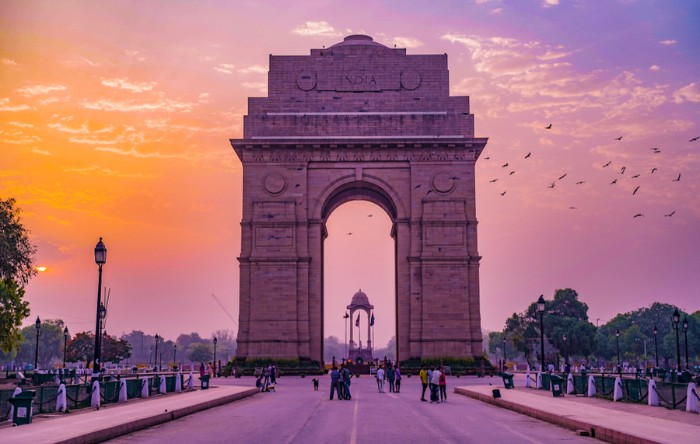
Discover the pinnacle of passion and love at some of India's most alluring locations for honeymoons in 2024. These carefully chosen locations offer the ideal fusion of beauty, peace, and romance, guaranteeing a wonderful beginning to your new life together.

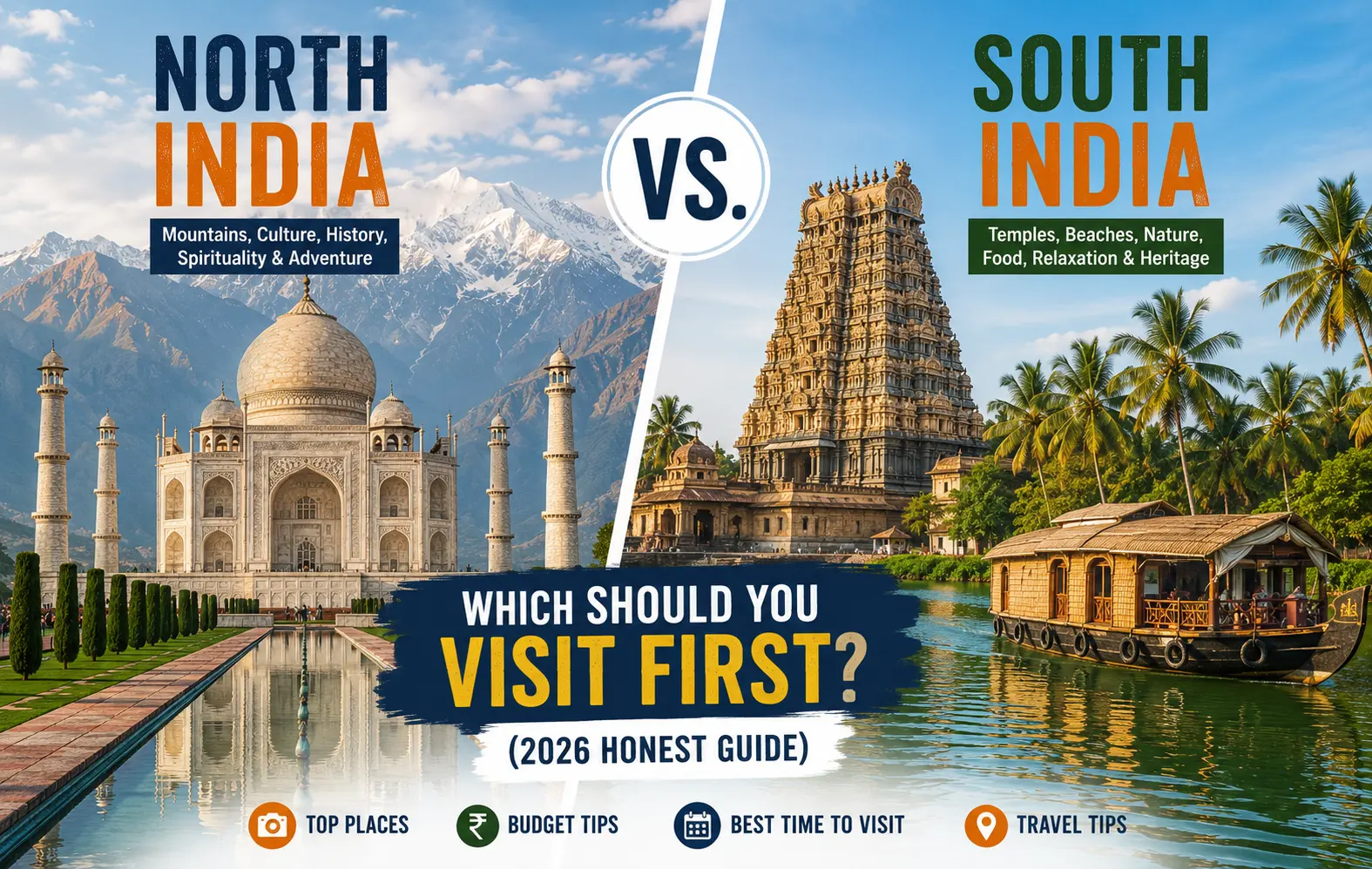
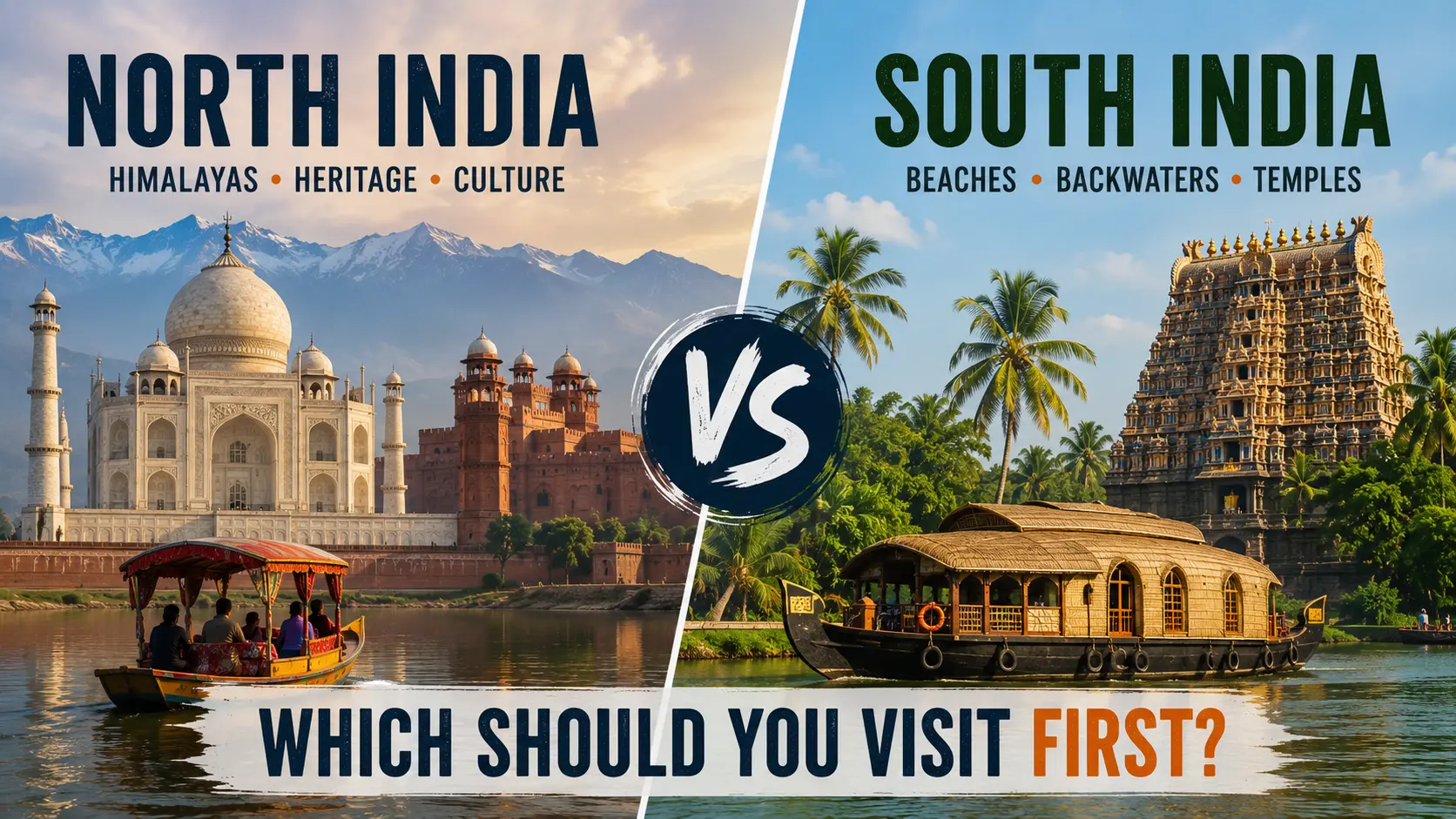
Discover why North India should be your next destination. From the majestic Himalayas and the serene Ganges to vibrant cities and historic landmarks, North India offers a rich tapestry of experiences. Enjoy thrilling adventures, spiritual retreats, diverse cultures, and mouth-watering cuisine, all in one captivating region.
.jpg)
Find out which Indian winter destinations are the finest in 2024! Discover the ideal winter escape, from the tranquil beaches of Goa to the snow-capped peaks of Himachal Pradesh. See our carefully prepared selection of the top destinations in India for a fantastic winter getaway.
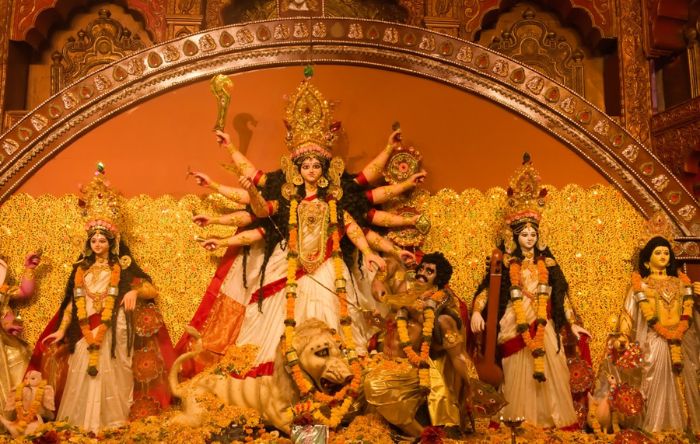
Discover the top 10 destinations in India to experience the vibrant and enchanting celebrations of Navratri. From traditional Garba and Dandiya dances to grand Ramlila performances and spectacular temple decorations, these locations offer a unique and unforgettable Navratri experience. Dive into the cultural richness and spiritual fervor of this nine-night festival across India's most festive cities

Find out where in India the best places are to celebrate Makar Sankranti, where colourful customs and cultural events come to life. Discover the distinctive festivities that make this festival genuinely exceptional, from the large-scale kite festival in Ahmedabad to the holy rites in Haridwar.
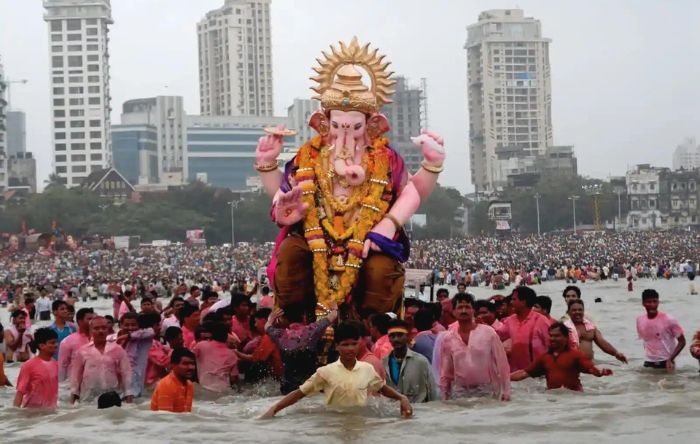
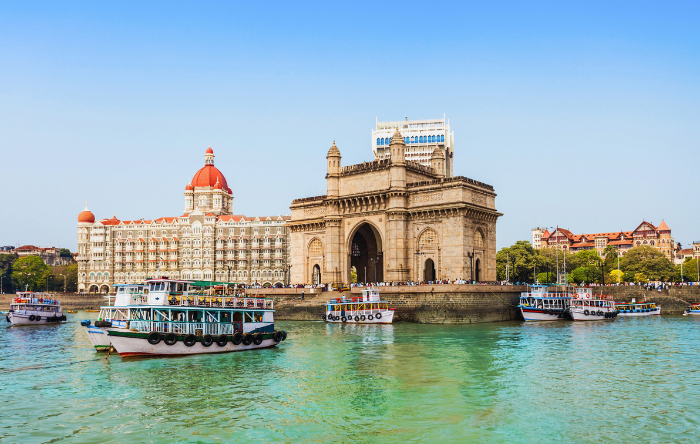
Discover the top locations in India for an elegant Ganesh Chaturthi celebration. Enjoy the cultural diversity and fervour that make this holiday so unique, from the lavish celebrations in Mumbai to the colourful processions in Pune. Find out where in the nation you may take part in the most magnificent Ganesh Chaturthi events.

In India, Christmas is a lively occasion celebrated with festive decorations, snacks, carols, and adorned trees. People of all faiths appreciate the event and partake in the fun, even though it is mainly celebrated in urban areas and areas with higher Christian populations, such as the South and Northeast. Indian Christmas celebrations are just as magical even if they differ from those of other countries.
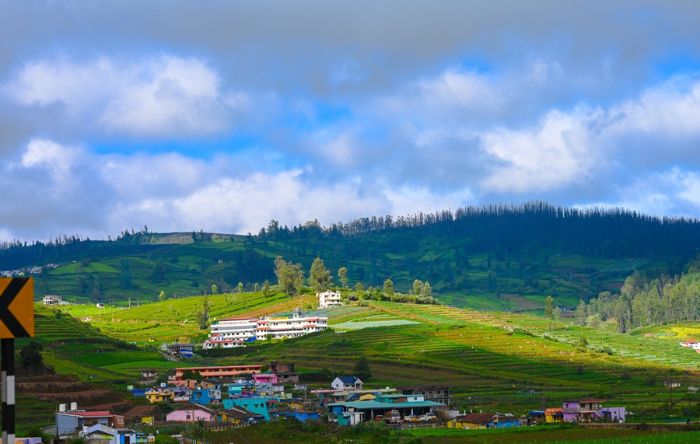
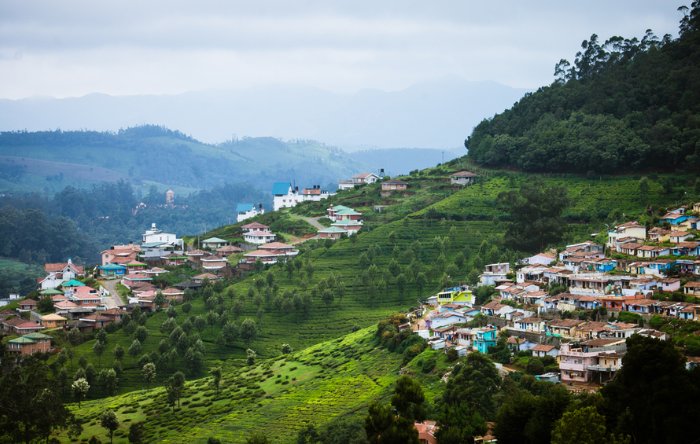
September is a great month to visit India because of the country's beautiful scenery and comfortable temperatures. Explore the calm backwaters of Kerala and the undulating hills and tea gardens of Ooty. Savour the colourful festivities in Varanasi. September is the ideal month for an unforgettable getaway because each location offers a special fusion of adventure, culture, and nature.

"November is a lovely month in India when the weather turns nice, making it ideal for visiting some of the most captivating places in the nation. Travelers can enjoy a wide variety of experiences in India, from the lively cultural events in Pushkar and Varanasi to the tranquil beaches of Goa and the foggy highlands of Wayanad. Explore the top destinations for November and take in all that each one has to offer in terms of beauty, culture, and adventure."

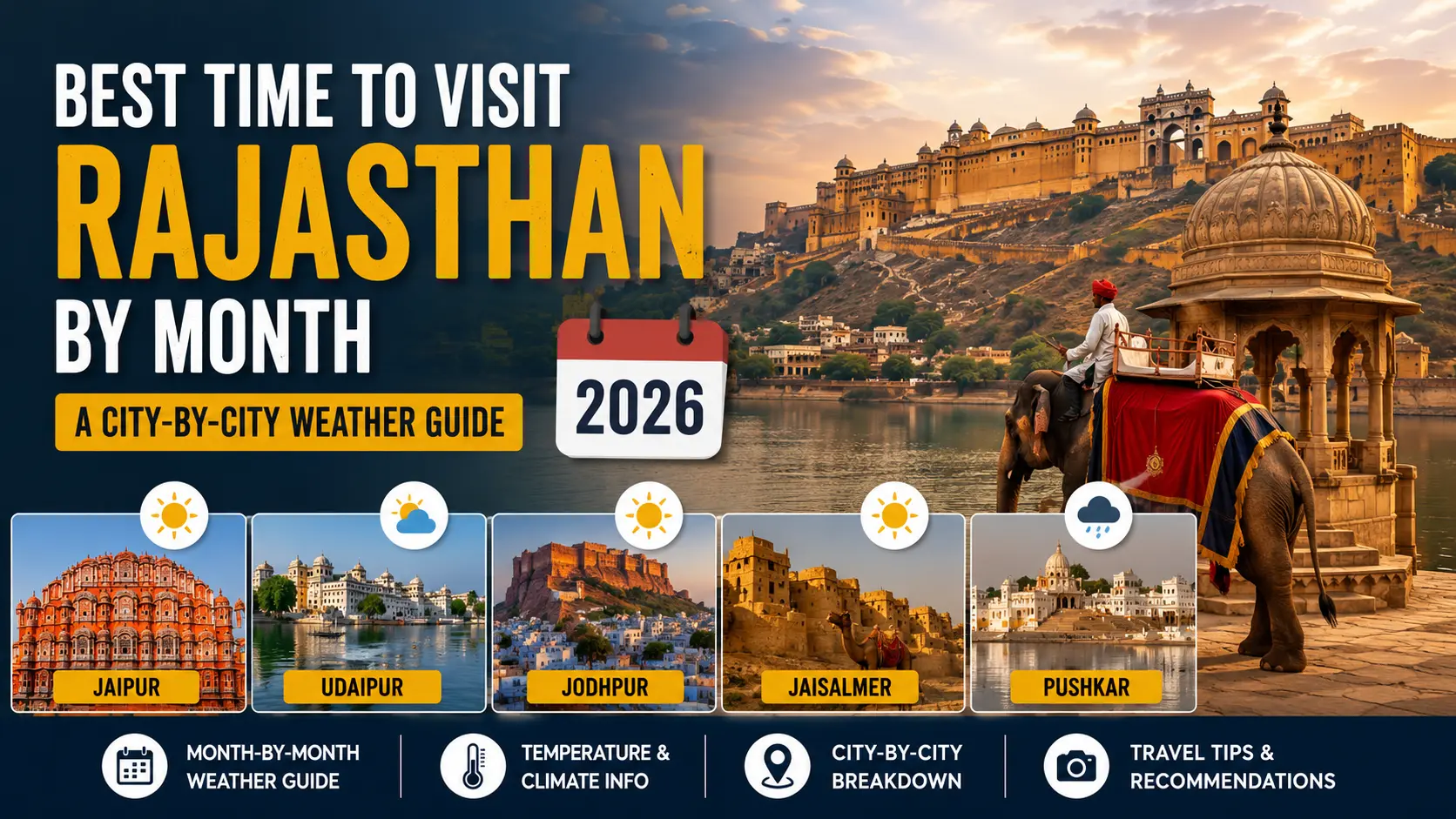
Explore the allure of Udaipur by using our guide to the Top 8 Sites to See in this captivating city. These top attractions, which range from the majestic City Palace to the tranquil Lake Pichola, combine history, culture, and scenic beauty, making Udaipur an essential travel destination. Udaipur offers an amazing experience, whether you're taking a leisurely boat trip or touring magnificent palaces. The city's rich history and beautiful scenery guarantee an amazing day.
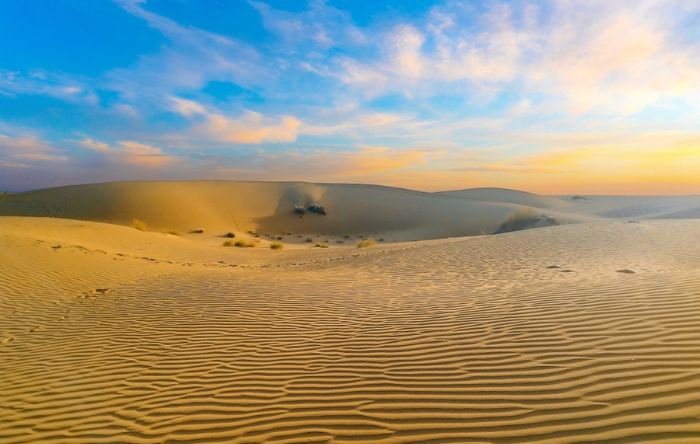
Explore the top 5 deserts in India and its magnificent beauty, from the immense salt flats of the Rann of Kutch to the golden dunes of the Thar Desert. Discover distinctive topographies, vibrant civilizations, and life-changing encounters in these captivating desert locations.

In this guide, we cover India's best road trips in 2026 — categorised by vehicle type (car or bike), distance, difficulty, and best season — so you can plan your perfect India road trip, whatever your style, budget, or timeline.

This guide covers everything you need — step-by-step guide - how to apply for the Indian e_Tourist Visa in 2026, application instructions, current fees by country, required documents, processing times, common mistakes to avoid, and the most frequently asked questions from international travellers planning their India trip.

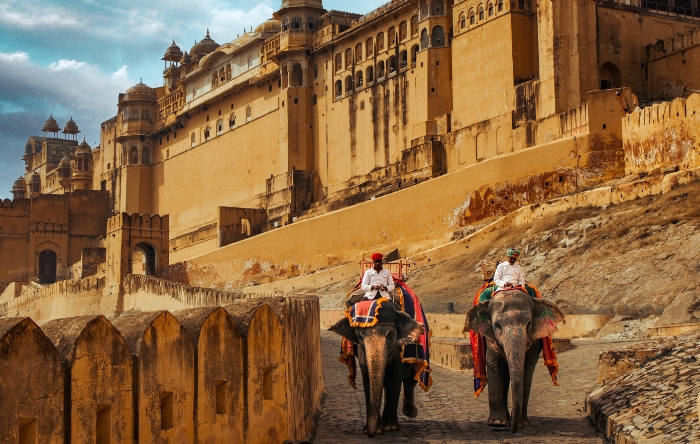
This guide covers the best Indian forts to visit — categorised by region, with entry fees, visiting tips, best time to visit, and how to include each in your India tour itinerary. We begin, naturally, with Rajasthan — India's Fort Capital.
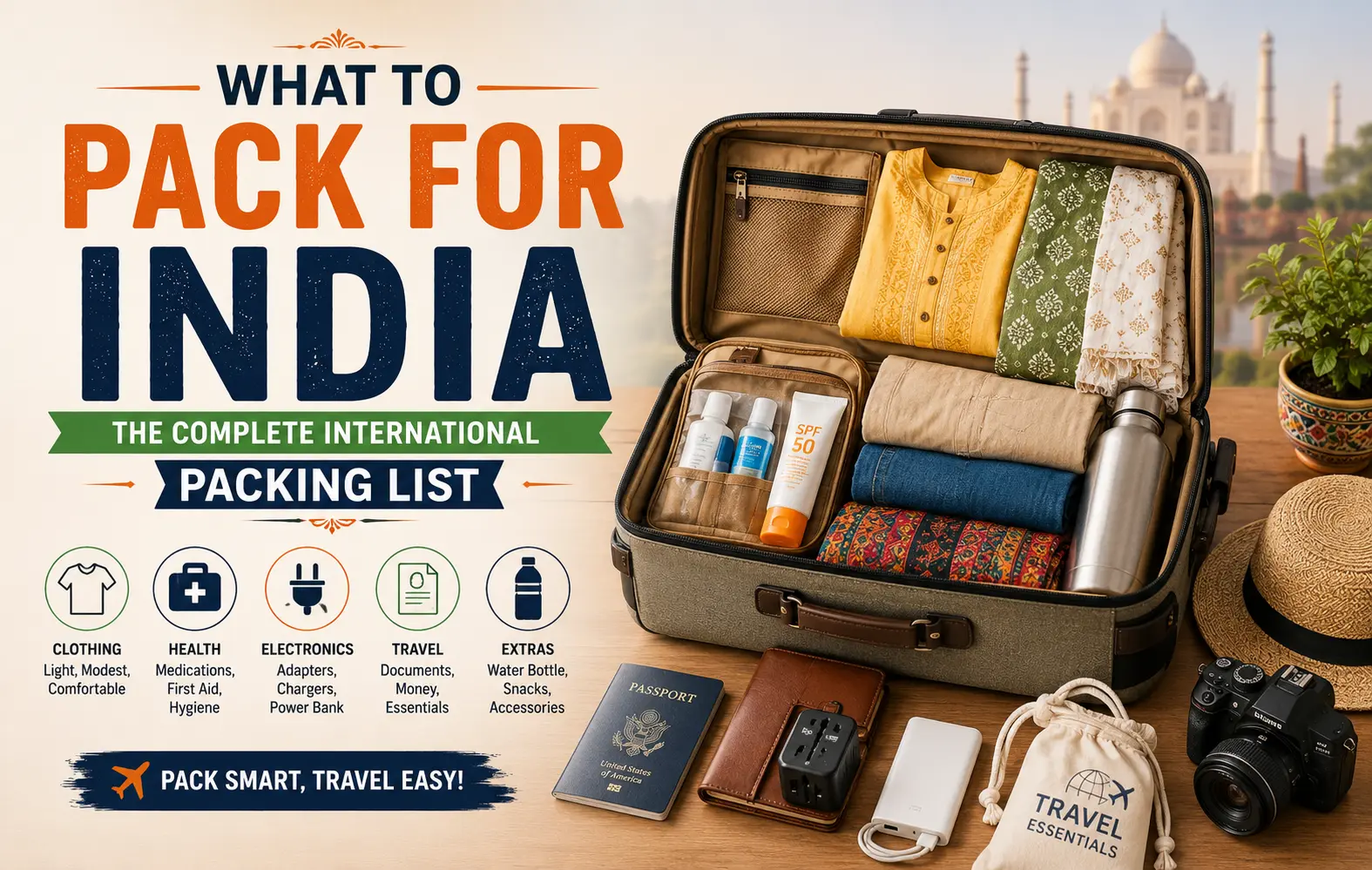
This is the exact advice I give every international guest before they fly to India what to pack for India: the complete international packing list — refined over hundreds of tours, thousands of conversations, and one very important principle: pack smart, pack light, and pack for the India you are actually going to, not the India you imagined.

After a decade of guiding international tourists through India's forts, temples, and desert cities, I have seen one mistake ruin more trips than any other — the wrong shoes. This guide gives you the honest answer: exactly what footwear to pack for India, by destination, by season, and by activity.

After ten years of guiding international tourists through India's temples, forts, and desert cities, this is the question I am asked most often. The answer is not a simple yes or no — it depends entirely on where you are and what you are doing. Here is the honest, location-by-location guide that will help you pack right and show up confidently at every stop on your India journey.
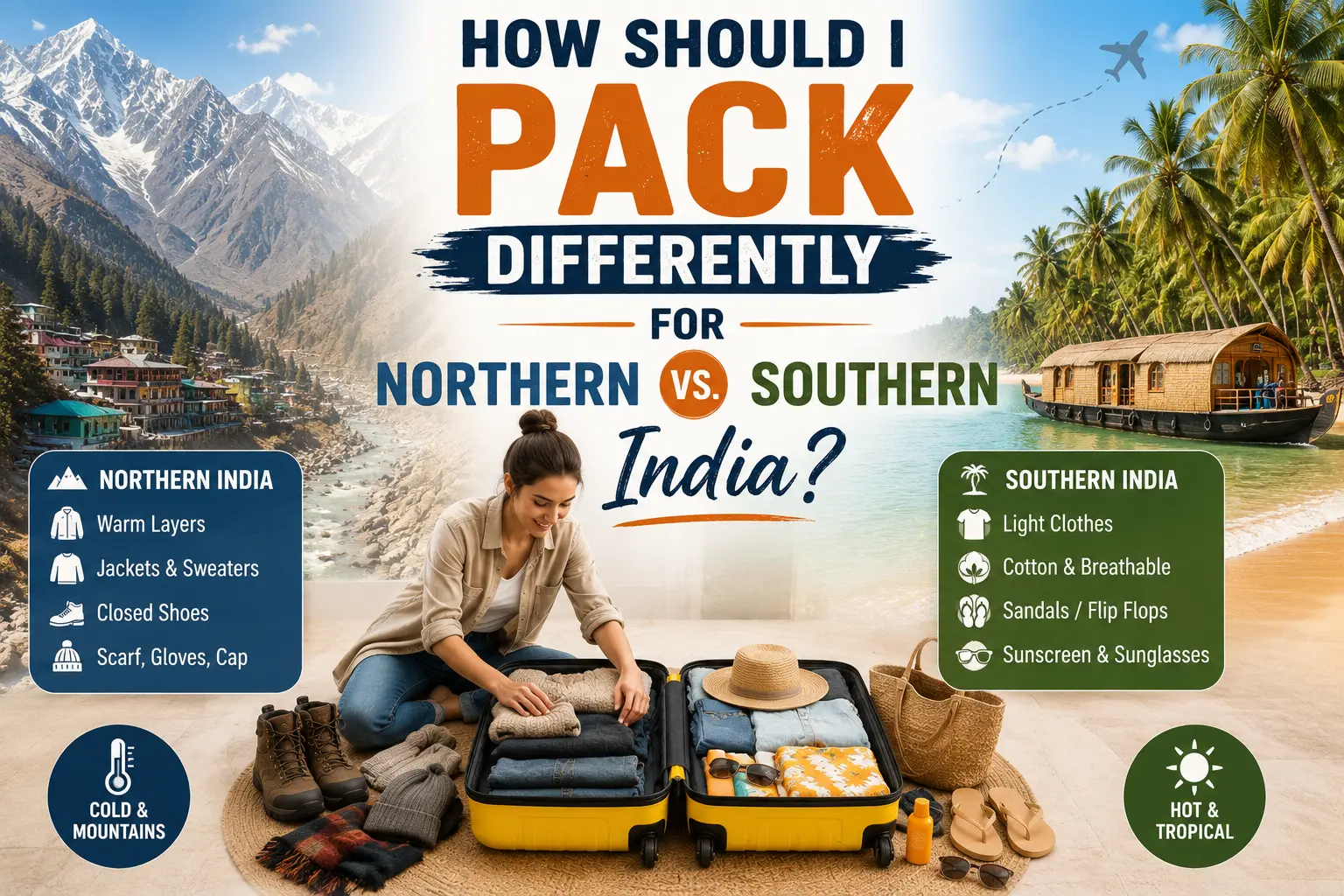
Here is the one thing most India packing guides miss entirely. India is not one climate — it is many. At the same moment in January, Jaipur is shivering at 6°C and Kochi is warm at 29°C. After ten years of guiding guests from the USA, UK, Canada, France, and Germany through both regions, here is the exact, region-by-region packing guide that will keep you comfortable from your first morning in Rajasthan to your last evening on Kerala's backwaters.

Delhi Belly ruins more India trips than bad weather, delayed trains, and jet lag combined. Not because India is dangerous — but because most international travellers arrive completely unprepared for the one health challenge that India presents more than any other.
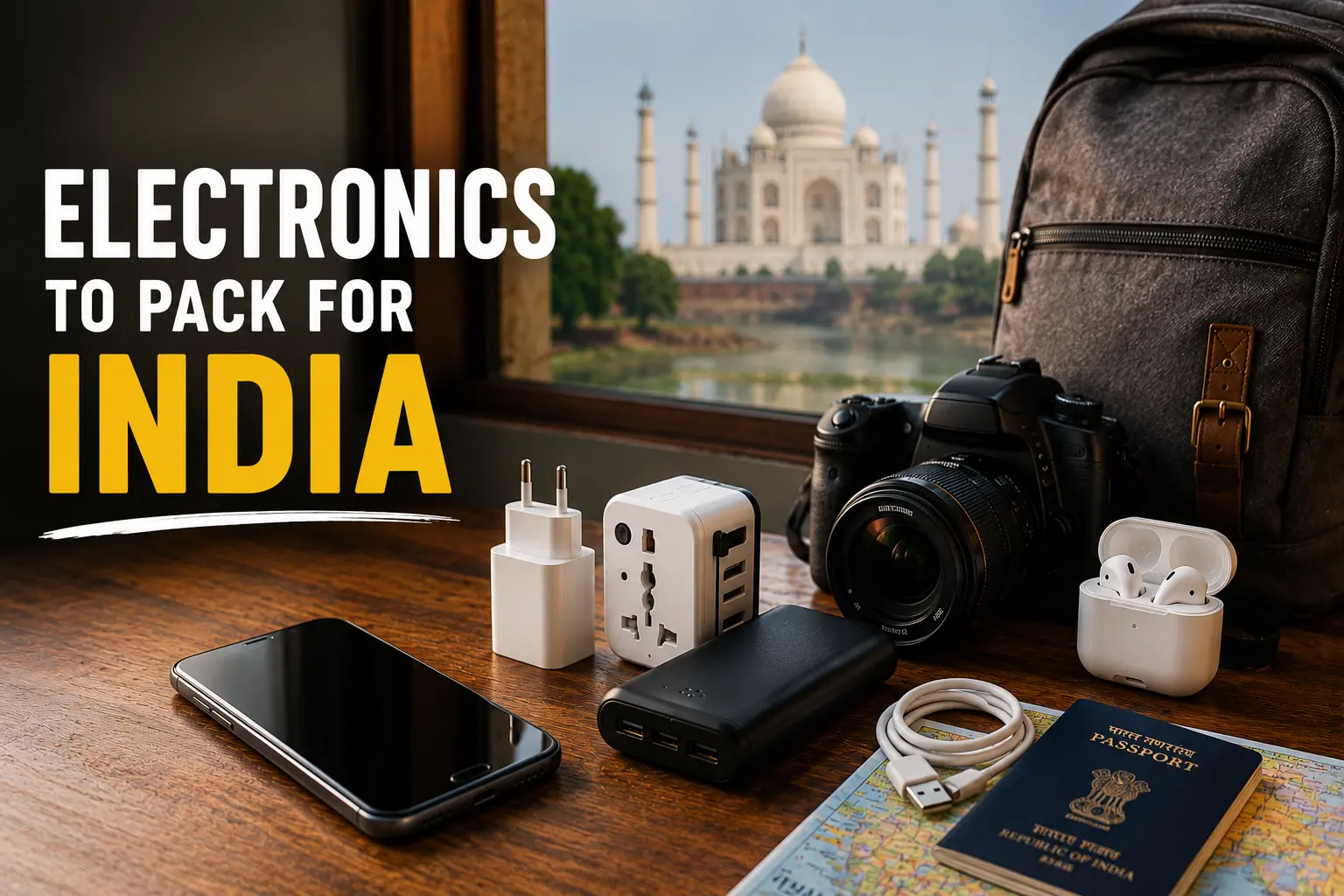
This guide covers every electronic item an international tourist actually needs in India — ranked by importance, with specific recommendations by country, honest notes on what gets damaged in India's power system, and a clear list of what to leave at home entirely.
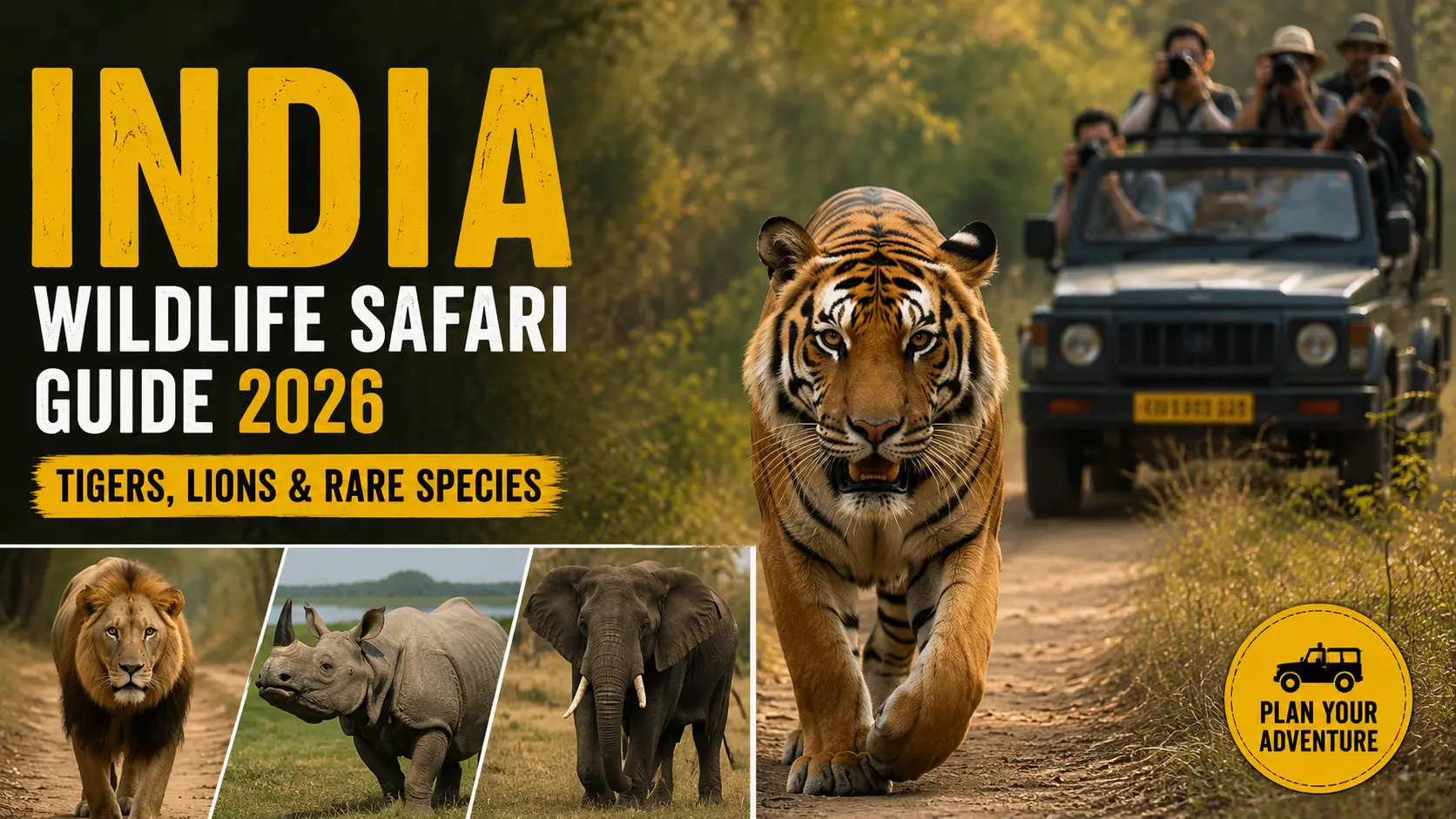
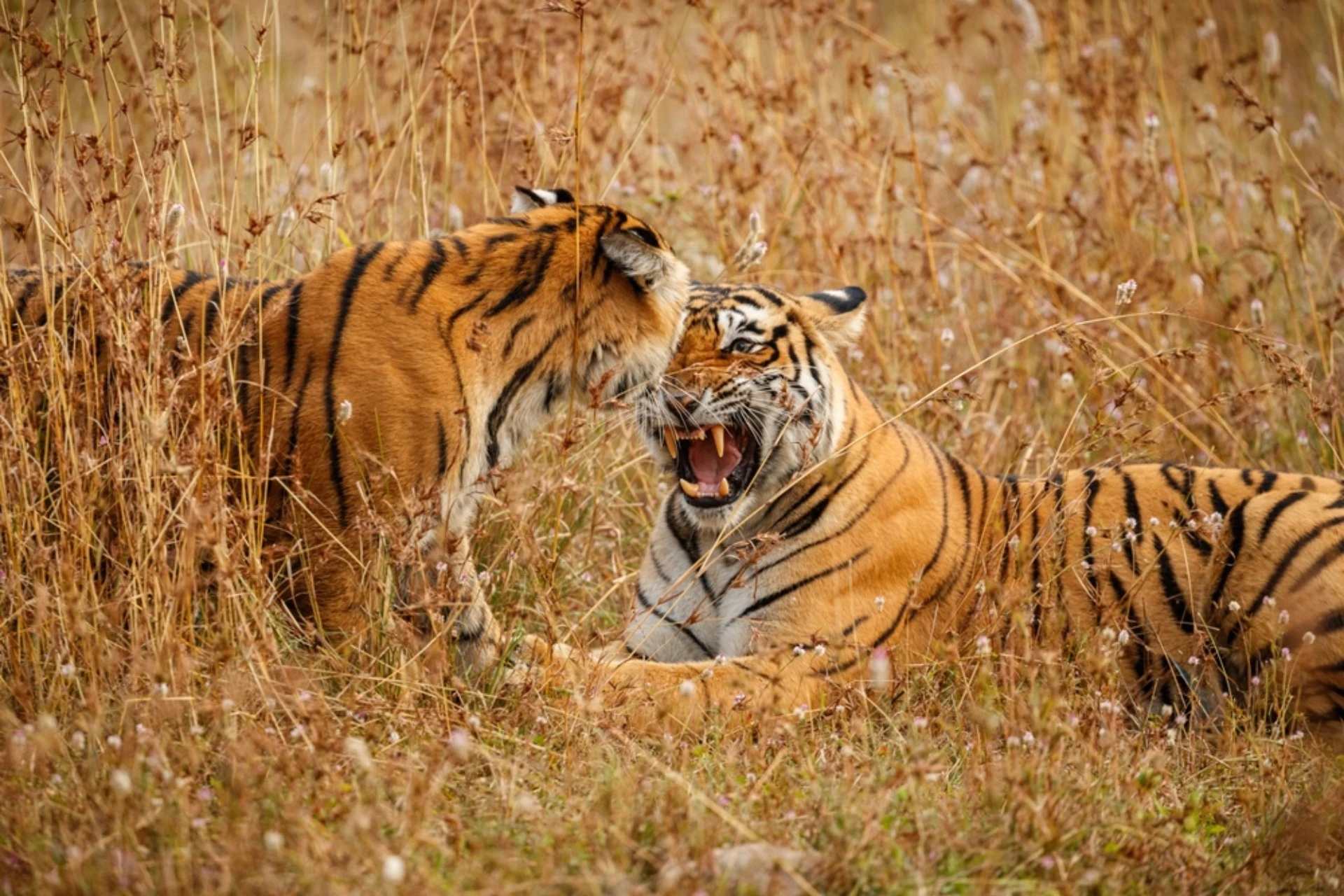
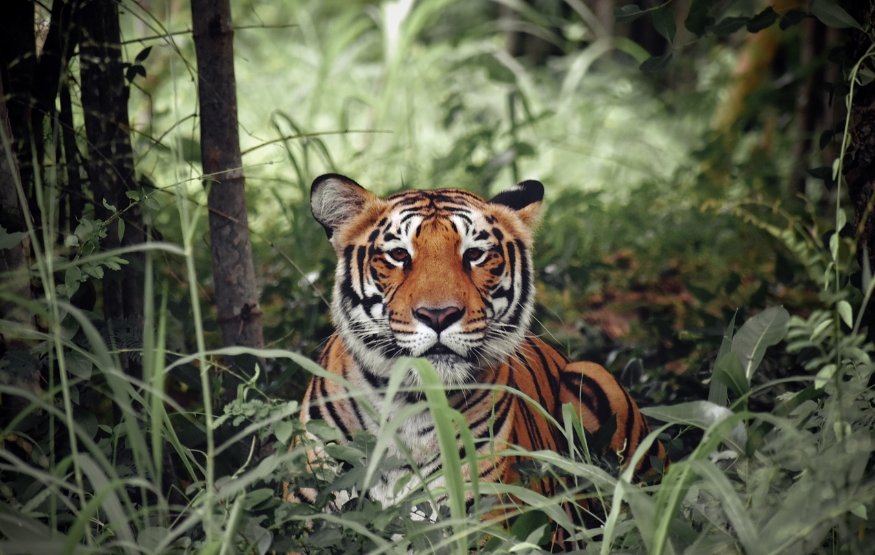
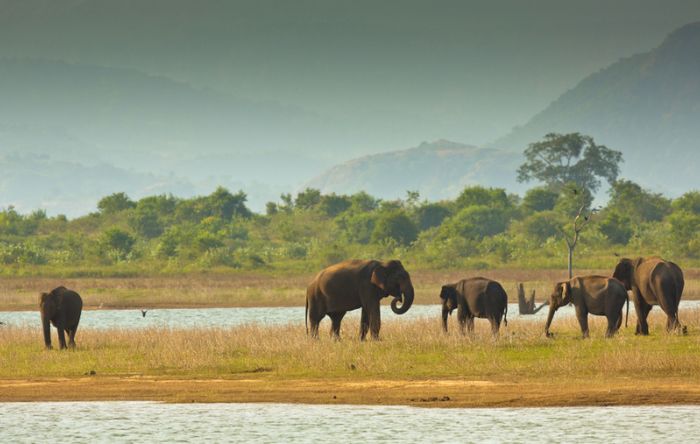
Discover India's most spectacular wildlife destinations in this comprehensive 2026 safari guide. From the tiger reserves of Ranthambore and Bandhavgarh to Gir's Asiatic lions and Kaziranga's one-horned rhinos, learn the best time to visit, safari planning tips, and everything you need for an unforgettable wildlife adventure across India.
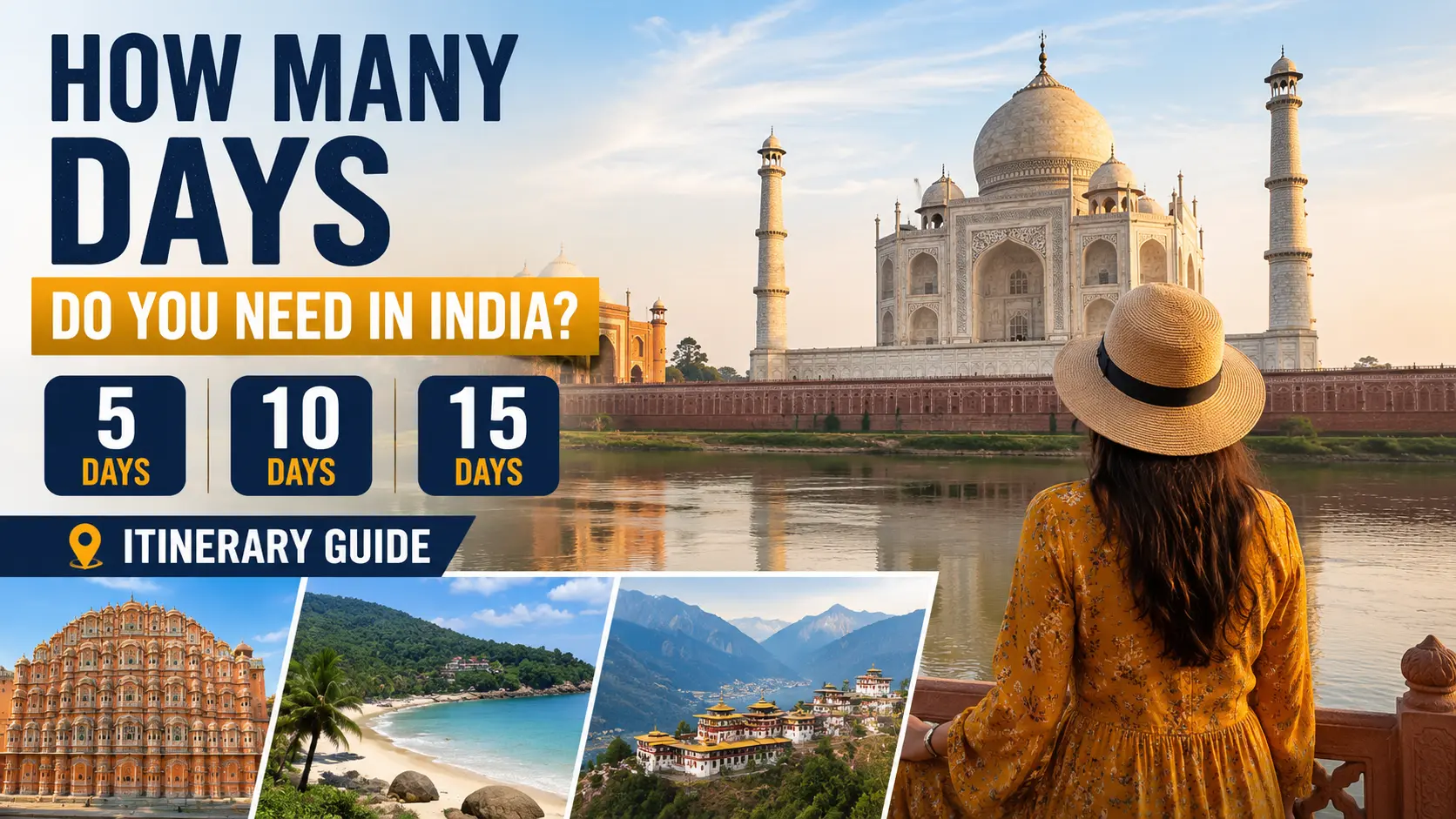
"Mukesh, how many days do I actually need in India?" It is the question that arrives in my WhatsApp from New York, London, Toronto, Berlin, and Paris — sometimes at very strange hours. And after ten years of designing India itineraries for hundreds of international guests, I have one consistent answer: Whatever number you have planned — add two more. This guide tells you exactly why — and gives you the honest, experience-based breakdown for 5, 10, and 15-day trips, with complete day-by-day itineraries for each.
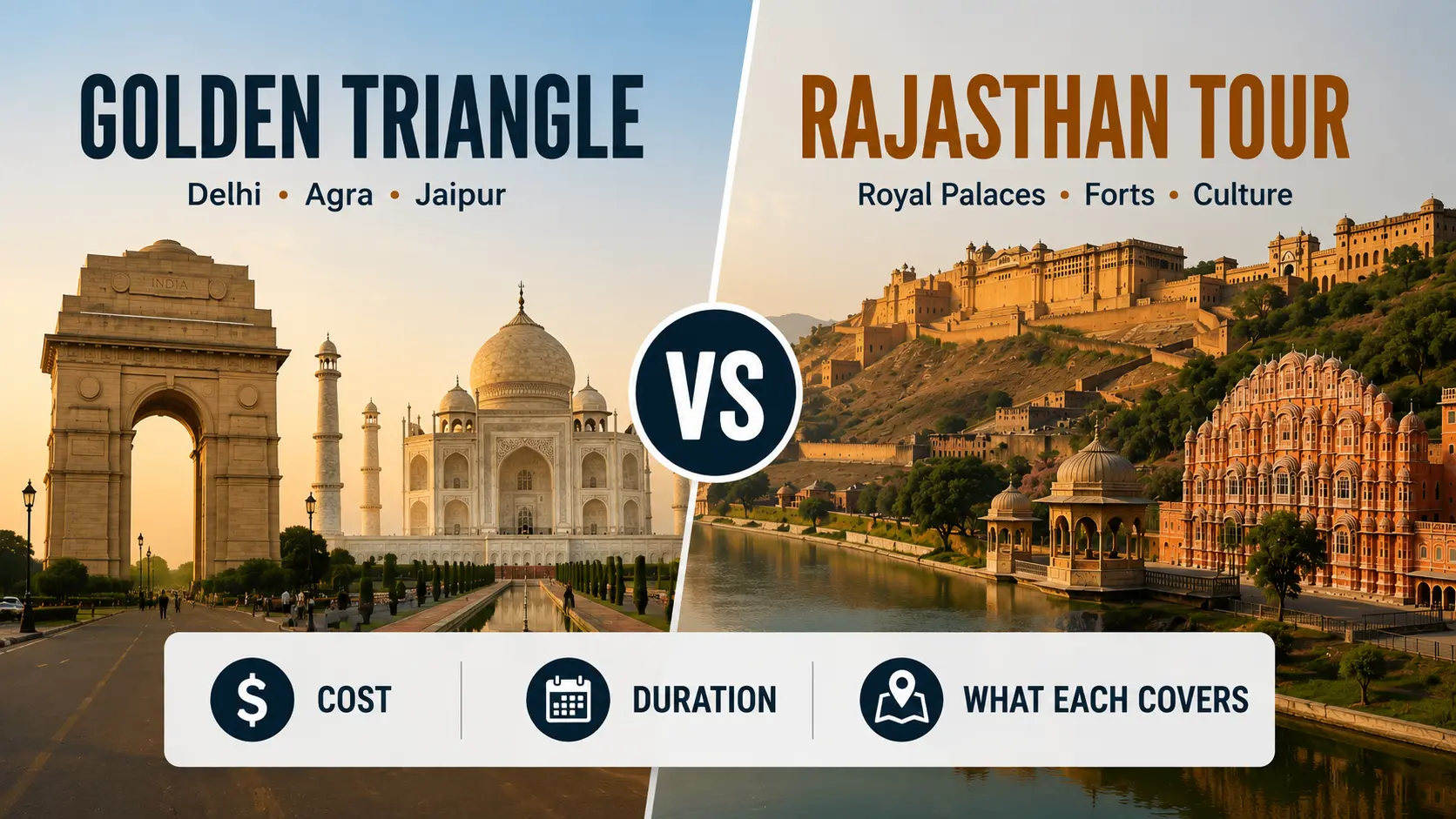
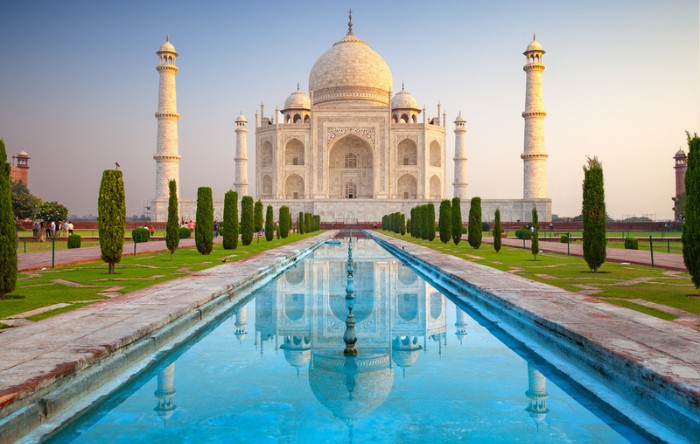
The Golden Triangle and Rajasthan are not competing tours —they are two chapters of the same story. One gives you the Taj Mahal and Mughal grandeur in 5 to 7 days. The other takes you deeper into desert forts, lake palaces, and camel safaris. This guide tells you which is right for your trip.


.jpg)
.jpg)
.jpg)



.webp)