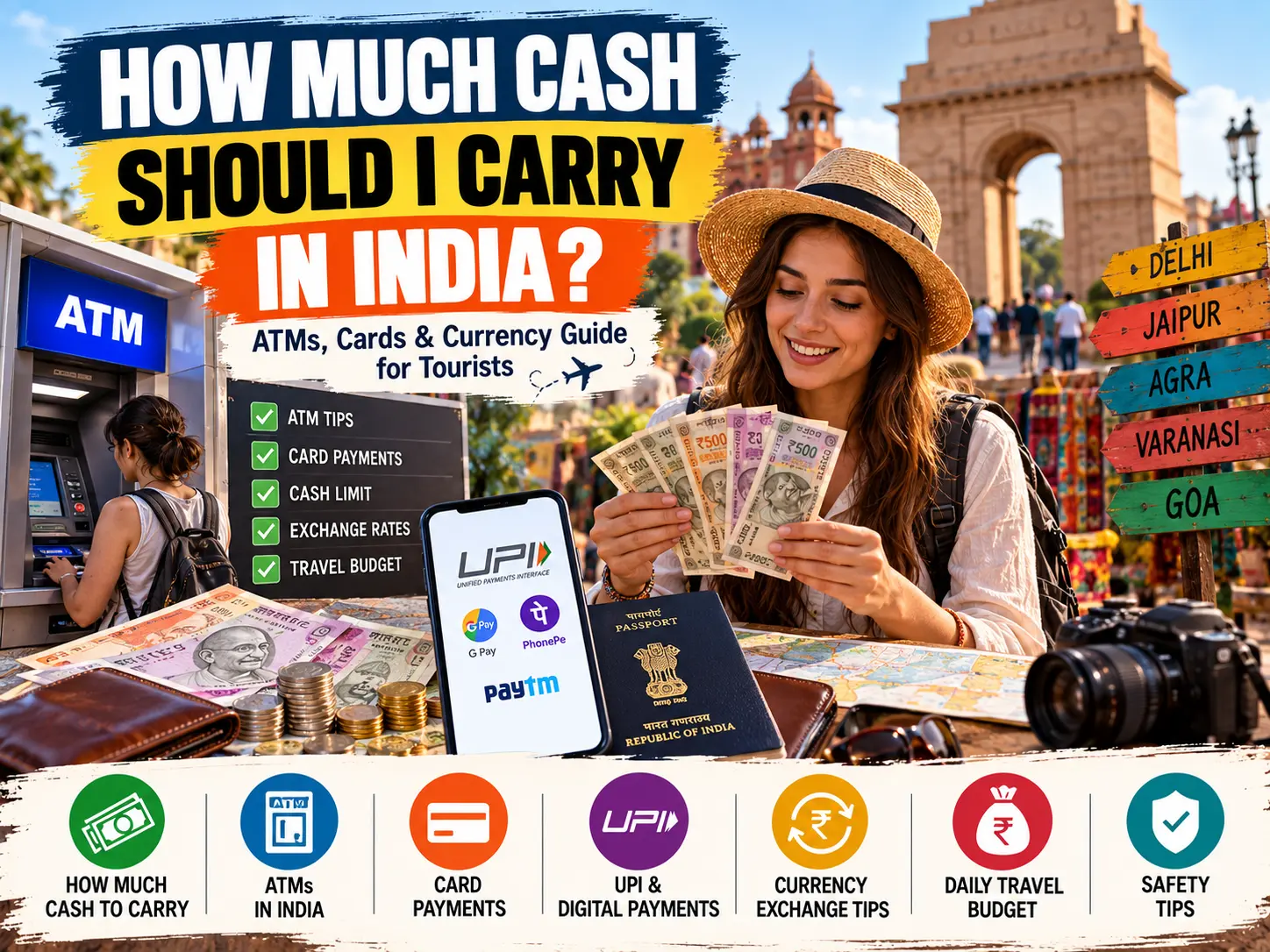
Card or cash — and how much of each? A practical 2026 breakdown of ATM limits, forex cards, tipping budgets, and India's evolving UPI-for-tourists rules, from a Jaipur-based tour guide.
All Category
By Mukesh Sain | Founder & Senior Tour Guide, My Dream India Tour Based in: Jaipur, Rajasthan, India Last Updated: 2026 | Reading Time: 12 minutes
Almost every guest asks me some version of this question a few days before they land: "Mukesh, how much cash should I actually bring, and can I just use my card everywhere?"
It's a genuinely important question, because India sits in an unusual middle ground right now — it has one of the most advanced digital payment systems in the world for locals, and yet it remains, at street level, still very much a cash-friendly economy for tourists. Get this balance wrong, and you either end up carrying far too much cash (a real security concern) or arrive with almost none and get stuck at a roadside stall, a small temple donation box, or a rural toll booth that has never seen a card machine.
After a decade of managing money logistics for guests from the USA, UK, Canada, Germany, and France, here is my honest, practical breakdown of exactly how to think about cash, cards, and currency for your India trip in 2026.
|
Trip Length |
Recommended Cash on Hand (INR) |
Notes |
|
Day trip / short visit |
₹3,000 – ₹5,000 |
Tips, small purchases, temple donations |
|
3–5 day trip |
₹8,000 – ₹12,000 |
Plus card for hotels and larger purchases |
|
7–10 day trip |
₹15,000 – ₹25,000 total (topped up via ATM) |
Withdraw in stages, not all at once |
|
Rural / desert / rail-heavy legs |
Extra ₹5,000 buffer |
Fewer ATMs and card machines available |
|
Arrival cash (before first ATM stop) |
₹5,000 – ₹8,000 (exchanged before or on arrival) |
Covers taxi, tips, and first meals |
As a general rule, I tell guests never to carry more than about ₹20,000–₹25,000 in cash on their person at any one time, topping up from ATMs as needed rather than carrying a large lump sum for the whole trip.
Yes and no, and understanding this distinction will save you real confusion. Among Indians themselves, digital payments through UPI (Unified Payments Interface) have become dominant — even a small tea stall or a street vendor selling fruit will usually have a QR code for instant mobile payment. Hotels, restaurants, and larger shops accept international cards without issue.
But cash still matters enormously for tourists specifically, because:
So the honest answer is: bring a card for your big-ticket spending, but always carry a reasonable cash buffer for the everyday, small-scale India that a card simply won't reach.
ATMs are widely available in cities, towns, airports, and near most hotels. In more remote areas — deep desert routes in Rajasthan, wildlife park zones, or small rural villages — ATMs become scarce, so withdraw before heading into these areas rather than assuming you'll find one along the way.
Most Indian ATMs cap a single withdrawal at around ₹10,000, though some banks' ATMs allow higher amounts depending on the card type and machine. There's generally no hard daily limit imposed by the ATM itself beyond what your own foreign bank allows, so you can usually make multiple withdrawals in a day if needed, subject to your home bank's daily international withdrawal cap.
Expect a flat foreign transaction fee per withdrawal, typically in the range of ₹150 to ₹300 depending on the bank, plus whatever your own home bank charges for international ATM use and currency conversion. To minimize this, withdraw larger amounts less frequently rather than making many small withdrawals.
Stick to ATMs attached to well-known banks (SBI, HDFC, ICICI, Axis) located inside or right outside bank branches, malls, or airports, rather than standalone kiosks in less busy areas. This reduces both fraud risk and the chance of a machine running out of cash or malfunctioning mid-transaction.
Debit card (linked to your home account): Good for ATM withdrawals but usually carries the highest foreign transaction and conversion fees. Best used for occasional larger withdrawals, not daily spending.
Credit card: Widely accepted at hotels, restaurants, and larger retail stores in cities and tourist areas. Many travel-focused credit cards waive foreign transaction fees entirely — check with your provider before you travel, since this can save a meaningful amount over a multi-week trip.
Prepaid forex card: A popular option for travelers who want to lock in an exchange rate in advance and avoid per-transaction conversion fees. Useful for budgeting but less flexible if you need to withdraw larger sums of local currency quickly.
My honest recommendation: Carry one credit card with low or no foreign transaction fees for hotels and larger purchases, one debit card as a backup for ATM withdrawals, and cash for everything else. Never rely on a single card or a single source of money in India — always have at least one backup.
This is a genuinely new and evolving area worth understanding for 2026. UPI — India's instant mobile QR-code payment system — has expanded some access to foreign visitors through prepaid wallet programs, allowing tourists to load funds using an international card and pay merchants by scanning a QR code without needing a full Indian bank account.
That said, as of 2026 this access remains a controlled, partial rollout rather than something available seamlessly to every tourist everywhere in the country. My honest advice: if the option is available and easy to set up when you arrive, it's a nice convenience for small daily purchases. But don't plan your entire trip's payment strategy around it — treat cash and cards as your reliable backbone, and UPI access as a helpful bonus if it works smoothly for you.
Exchange before or on arrival: Airport currency exchange counters are convenient but often offer a less favorable rate than banks or authorized exchange bureaus in the city. Exchanging a small amount at the airport to cover your first few hours, then getting a better rate in the city, is a smart middle ground.
Use authorized exchange providers: Only exchange currency at banks, airport counters, or licensed forex bureaus. Avoid unofficial street exchangers, regardless of the rate they advertise — this is both a legal and a safety issue.
Keep exchange receipts: Hold onto your currency exchange receipts for the duration of your trip, as they may occasionally be requested, particularly if you plan to exchange leftover rupees back to your home currency before departure.
Currency declaration rules: Travelers carrying foreign currency above a certain threshold, or Indian currency above the permitted limit, are required to declare it at customs on arrival — check the current threshold with the Indian government's official customs guidance before you travel, as these limits can be revised.
The Indian Rupee (INR) circulates in notes of ₹10, ₹20, ₹50, ₹100, ₹200, ₹500, and coins in smaller denominations. A practical tip I give every guest: always keep a stock of smaller notes (₹10, ₹20, ₹50, ₹100) on hand, since many small vendors, rickshaw drivers, and roadside stalls struggle to provide change for larger ₹500 notes. Break large notes at hotels, restaurants, or bank ATMs rather than trying to use them for small purchases directly.
Tipping isn't strictly mandatory in India but is warmly appreciated and increasingly expected in the tourism sector. As a rough guide:
Budget this tipping cash separately from your main spending money, ideally in smaller notes, so you're never caught without appropriate change at the end of a good day's touring.
Here's exactly what I recommend to guests on a typical Rajasthan or Golden Triangle circuit:
This approach keeps you flexible, minimizes fees, and avoids either running short in a remote area or carrying an uncomfortably large amount of cash at any one time.
Money logistics shouldn't be a source of stress on your India trip, and with a little planning, they genuinely aren't. Bring a low-fee credit card, a backup debit card, exchange a modest amount before or on arrival, and top up cash from reputable ATMs as you go rather than carrying everything at once. Do that, and you'll spend your energy on the forts, the food, and the people — not worrying about your wallet.
If you're planning a trip and want specific guidance on cash and cards for your exact route, message me directly — I answer every enquiry myself.
— Mukesh Sain, Founder, My Dream India Tour
Plan Your India Tour with My Dream India Tour
WhatsApp / Call: +91-87695-95984 | +91-70625-12828
Email: mydreamindiatour@gmail.com
Website: www.mydreamindiatour.com
Based in: Jaipur, Rajasthan, India
Rajasthan Tours | Golden Triangle Tours | South India Tours | Wildlife Safari Tours | North India Tours
Rated #186 of 1,161 Tours & Activities in Jaipur — TripAdvisor
© 2026 My Dream India Tour. Author: Mukesh Sain, Founder & Senior Tour Guide, Jaipur.
Q: How much cash should I bring to India as a tourist?
For a 7 to 10 day trip, plan to carry roughly ₹15,000 to ₹25,000 in cash total, topped up in stages from ATMs rather than carried as a single lump sum, alongside a credit or debit card for larger purchases and hotel bills.
Q: Can I use my foreign debit or credit card everywhere in India?
Cards are widely accepted at hotels, restaurants, and larger retail stores in cities and tourist areas, but many small shops, rickshaw drivers, roadside stalls, and rural vendors are cash-only, so carrying a reasonable cash buffer is essential throughout your trip.
Q: What is the ATM withdrawal limit in India for foreign cards?
Most Indian ATMs cap a single withdrawal at around ₹10,000, though this varies by bank and machine. There is generally no daily limit set by the Indian ATM itself, though your home bank may impose its own daily international withdrawal cap and foreign transaction fees.
Q: Is it safe to carry cash in India?
Yes, with sensible precautions — split cash across a wallet, money belt, and hotel safe, avoid displaying large amounts in public, and carry only what you need for the day rather than your full trip's cash supply at once.
Q: Can foreign tourists use UPI in India?
Access is expanding but remains a controlled, partial rollout as of 2026 rather than something universally available to every tourist. Where available, it's a useful convenience for small daily purchases, but tourists should still rely primarily on cash and cards as their main payment methods.
Q: Where should I exchange currency in India?
Only exchange currency at banks, airport counters, or licensed forex bureaus. Airport rates are convenient but often slightly less favorable than city banks or authorized exchange offices, so exchanging a small amount on arrival and the rest in the city is a practical approach.
Q: How much should I tip drivers and guides in India?
A reasonable daily tip for a private driver or guide is roughly ₹300 to ₹500 each, with smaller amounts of ₹50 to ₹100 appropriate for hotel porters or housekeeping, and 5 to 10 percent of the bill for restaurant service where it isn't already included.
Q: What Indian currency denominations should I keep on hand?
Keep a mix of smaller notes — ₹10, ₹20, ₹50, and ₹100 — for everyday small purchases and tipping, since many roadside vendors and rickshaw drivers struggle to provide change for larger ₹500 notes.

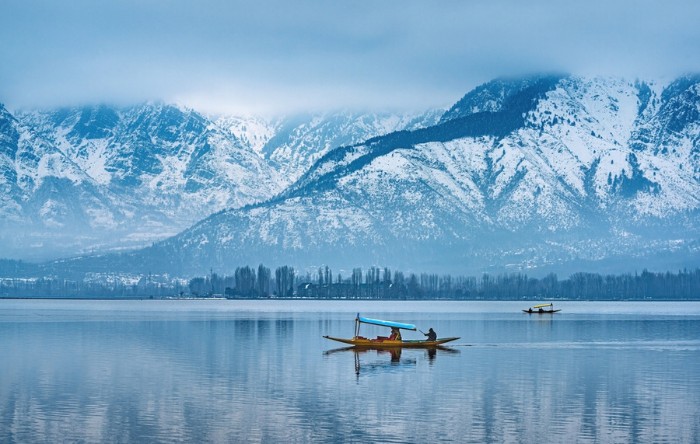
Explore the allure of Kashmir's wintertime with our list of the top 7 places to go skiing. These snowy paradises, which range from the immaculate slopes of Gulmarg to the tranquil beauty of Yusmarg, provide amazing scenery and exhilarating winter activities. Everyone can find something to enjoy in Kashmir's winter wonderlands, be it adventure, peace, or cultural encounters. Set yourself the ideal winter getaway right now!
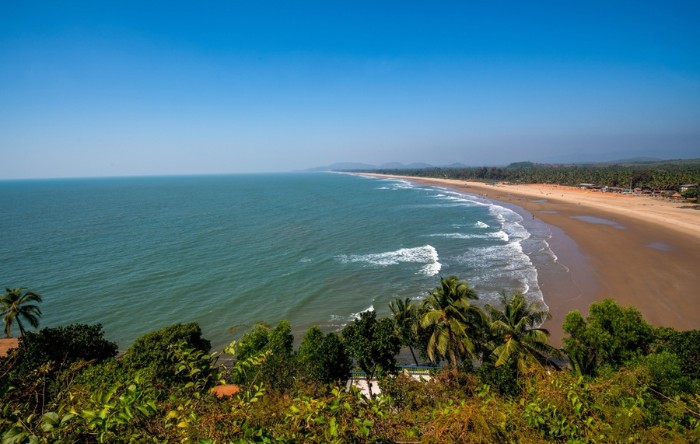
Discover "Beach Haven: India's Top Seaside Vacation Spots" and its attractions. This book highlights India's top coastal attractions, which range from the colorful beaches of Goa to the serene backwaters of Kerala. Explore immaculate beaches, exhilarating aquatic activities, and bustling nightlife, providing a memorable holiday experience.
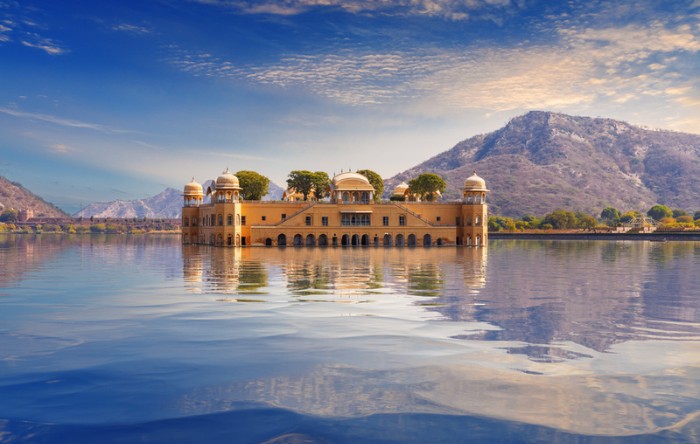
With our "Golden Sands and Royal Palaces: Rajasthan Discovery Tour," discover the splendor of Rajasthan. Take a tour of the state's magnificent forts, lively bazaars, and lavish mansions. Wander across Rajasthan's golden dunes and take in the regal allure of its royal palaces as you see the state's rich cultural legacy.
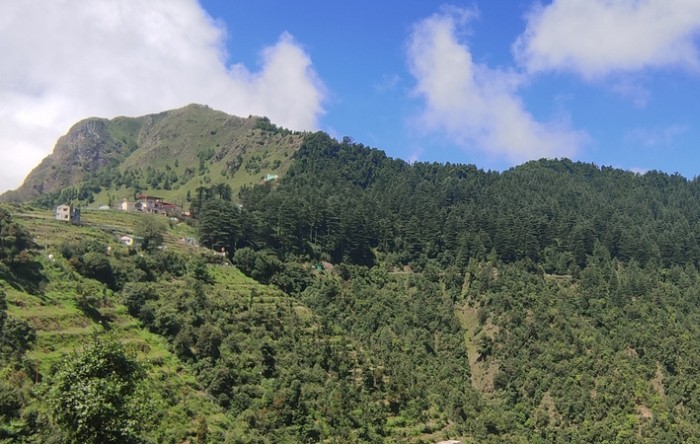
Discover the well-known Hindu temples of Uttarakhand, which are tucked away in the magnificent Himalayas. Explore historic spirituality in the midst of nature at sites like Badrinath, Kedarnath, Gangotri, and Yamunotri. Explore history at Jageshwar and Mansa Devi, where magnificent architecture and faith collide.
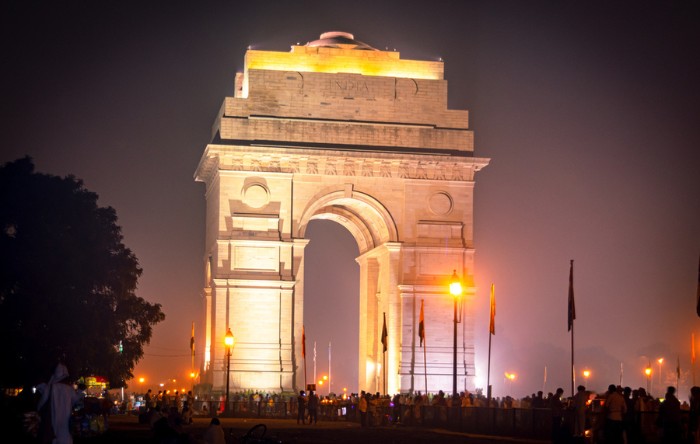
Explore India's Seven Incredible Wonders, a group of breathtaking sites that perfectly capture the nation's breathtaking natural beauty and rich cultural legacy. Every wonder, from historic temples to magnificent landscapes, offers a different tale of history and culture that piques curiosity and inspires awe.
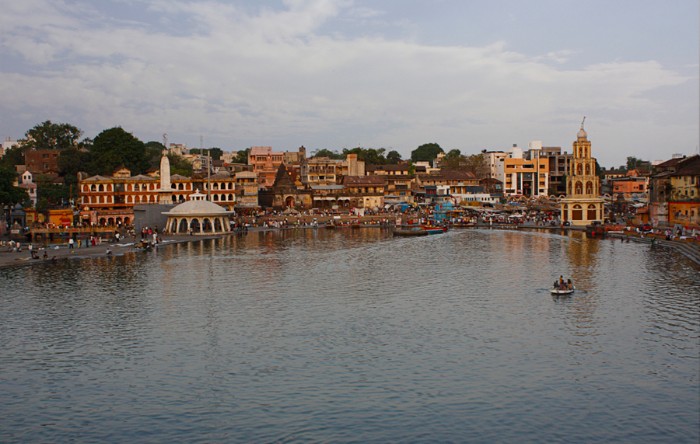
Find the best places in Nashik for those who enjoy history and culture. Discover the vivid cultural attractions, mediaeval forts, and ancient temples that showcase this intriguing region's rich legacy and customs. Nashik has a plethora of activities to offer anyone interested in culture or history.
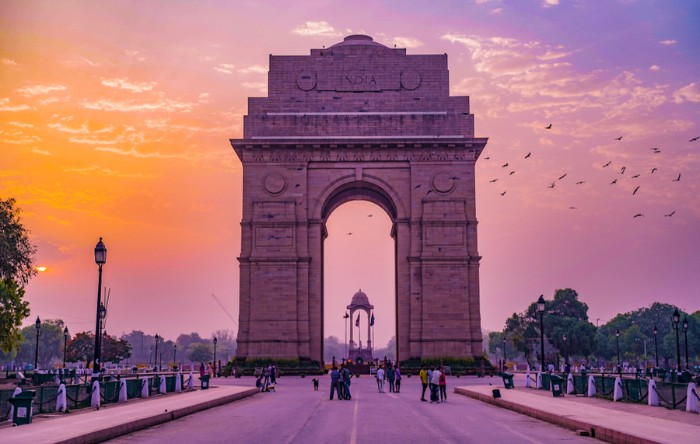
Discover the pinnacle of passion and love at some of India's most alluring locations for honeymoons in 2024. These carefully chosen locations offer the ideal fusion of beauty, peace, and romance, guaranteeing a wonderful beginning to your new life together.

Discover why North India should be your next destination. From the majestic Himalayas and the serene Ganges to vibrant cities and historic landmarks, North India offers a rich tapestry of experiences. Enjoy thrilling adventures, spiritual retreats, diverse cultures, and mouth-watering cuisine, all in one captivating region.
.jpg)
Find out which Indian winter destinations are the finest in 2024! Discover the ideal winter escape, from the tranquil beaches of Goa to the snow-capped peaks of Himachal Pradesh. See our carefully prepared selection of the top destinations in India for a fantastic winter getaway.

Discover the top 10 destinations in India to experience the vibrant and enchanting celebrations of Navratri. From traditional Garba and Dandiya dances to grand Ramlila performances and spectacular temple decorations, these locations offer a unique and unforgettable Navratri experience. Dive into the cultural richness and spiritual fervor of this nine-night festival across India's most festive cities

Find out where in India the best places are to celebrate Makar Sankranti, where colourful customs and cultural events come to life. Discover the distinctive festivities that make this festival genuinely exceptional, from the large-scale kite festival in Ahmedabad to the holy rites in Haridwar.
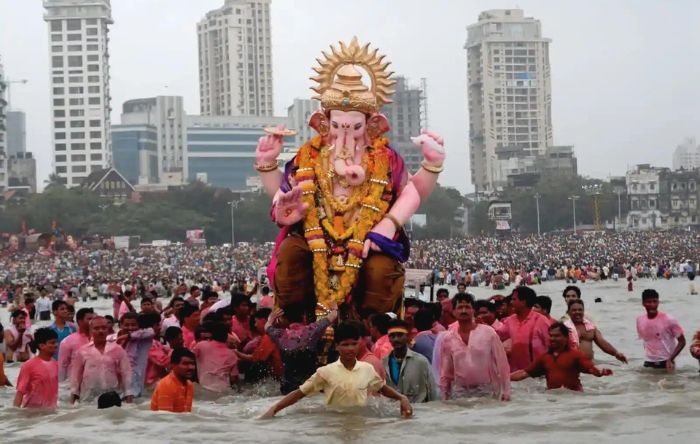
Discover the top locations in India for an elegant Ganesh Chaturthi celebration. Enjoy the cultural diversity and fervour that make this holiday so unique, from the lavish celebrations in Mumbai to the colourful processions in Pune. Find out where in the nation you may take part in the most magnificent Ganesh Chaturthi events.

In India, Christmas is a lively occasion celebrated with festive decorations, snacks, carols, and adorned trees. People of all faiths appreciate the event and partake in the fun, even though it is mainly celebrated in urban areas and areas with higher Christian populations, such as the South and Northeast. Indian Christmas celebrations are just as magical even if they differ from those of other countries.
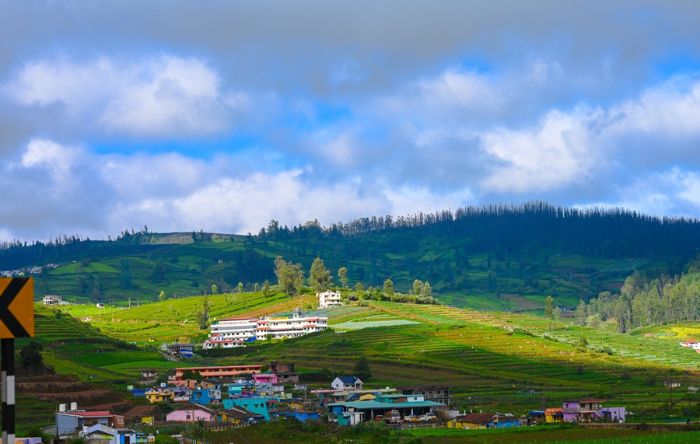
September is a great month to visit India because of the country's beautiful scenery and comfortable temperatures. Explore the calm backwaters of Kerala and the undulating hills and tea gardens of Ooty. Savour the colourful festivities in Varanasi. September is the ideal month for an unforgettable getaway because each location offers a special fusion of adventure, culture, and nature.

"November is a lovely month in India when the weather turns nice, making it ideal for visiting some of the most captivating places in the nation. Travelers can enjoy a wide variety of experiences in India, from the lively cultural events in Pushkar and Varanasi to the tranquil beaches of Goa and the foggy highlands of Wayanad. Explore the top destinations for November and take in all that each one has to offer in terms of beauty, culture, and adventure."

Explore the allure of Udaipur by using our guide to the Top 8 Sites to See in this captivating city. These top attractions, which range from the majestic City Palace to the tranquil Lake Pichola, combine history, culture, and scenic beauty, making Udaipur an essential travel destination. Udaipur offers an amazing experience, whether you're taking a leisurely boat trip or touring magnificent palaces. The city's rich history and beautiful scenery guarantee an amazing day.
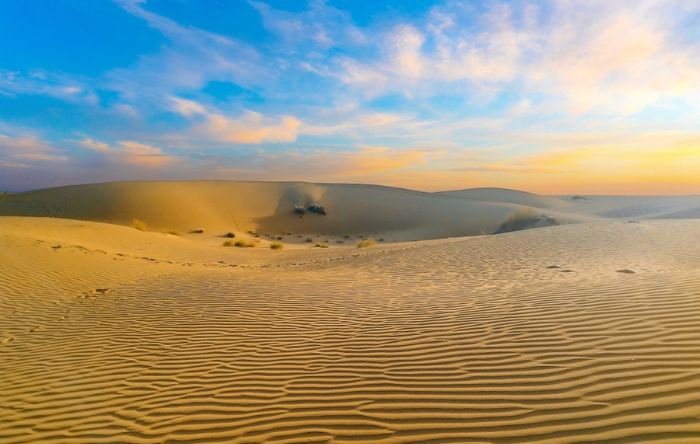
Explore the top 5 deserts in India and its magnificent beauty, from the immense salt flats of the Rann of Kutch to the golden dunes of the Thar Desert. Discover distinctive topographies, vibrant civilizations, and life-changing encounters in these captivating desert locations.

In this guide, we cover India's best road trips in 2026 — categorised by vehicle type (car or bike), distance, difficulty, and best season — so you can plan your perfect India road trip, whatever your style, budget, or timeline.

This guide covers everything you need — step-by-step guide - how to apply for the Indian e_Tourist Visa in 2026, application instructions, current fees by country, required documents, processing times, common mistakes to avoid, and the most frequently asked questions from international travellers planning their India trip.

This guide covers the best Indian forts to visit — categorised by region, with entry fees, visiting tips, best time to visit, and how to include each in your India tour itinerary. We begin, naturally, with Rajasthan — India's Fort Capital.
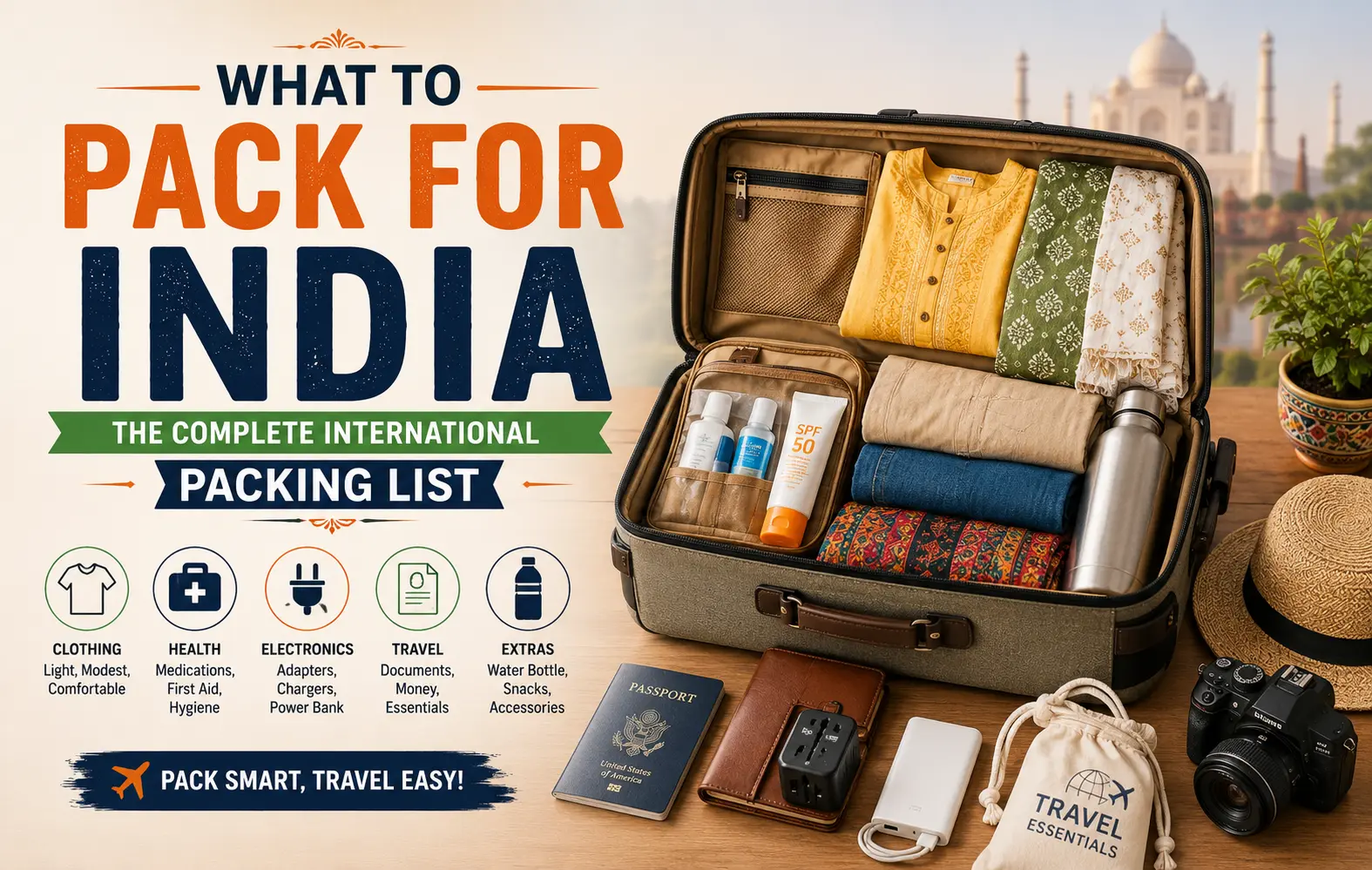
This is the exact advice I give every international guest before they fly to India what to pack for India: the complete international packing list — refined over hundreds of tours, thousands of conversations, and one very important principle: pack smart, pack light, and pack for the India you are actually going to, not the India you imagined.

After a decade of guiding international tourists through India's forts, temples, and desert cities, I have seen one mistake ruin more trips than any other — the wrong shoes. This guide gives you the honest answer: exactly what footwear to pack for India, by destination, by season, and by activity.

After ten years of guiding international tourists through India's temples, forts, and desert cities, this is the question I am asked most often. The answer is not a simple yes or no — it depends entirely on where you are and what you are doing. Here is the honest, location-by-location guide that will help you pack right and show up confidently at every stop on your India journey.

Here is the one thing most India packing guides miss entirely. India is not one climate — it is many. At the same moment in January, Jaipur is shivering at 6°C and Kochi is warm at 29°C. After ten years of guiding guests from the USA, UK, Canada, France, and Germany through both regions, here is the exact, region-by-region packing guide that will keep you comfortable from your first morning in Rajasthan to your last evening on Kerala's backwaters.
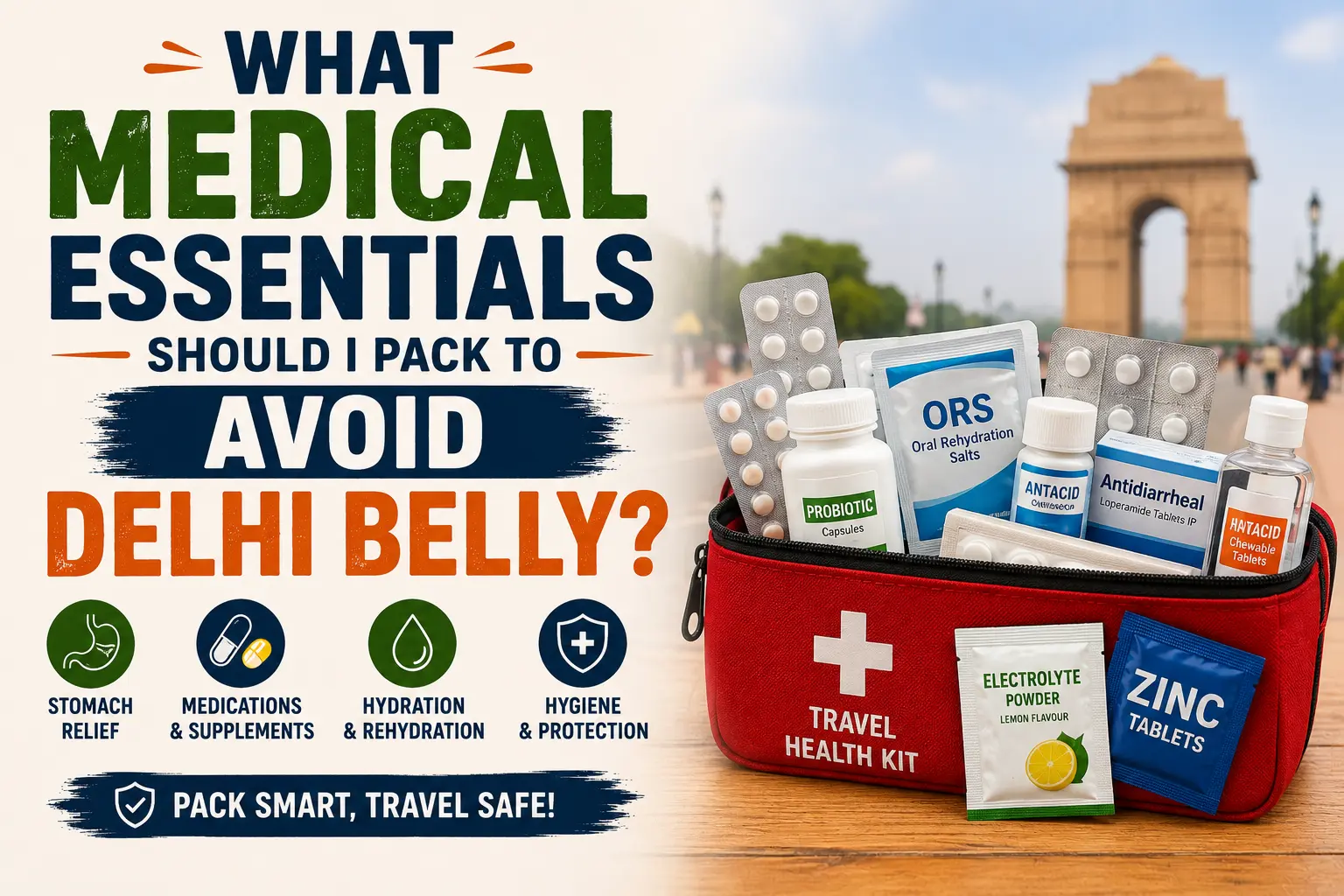
Delhi Belly ruins more India trips than bad weather, delayed trains, and jet lag combined. Not because India is dangerous — but because most international travellers arrive completely unprepared for the one health challenge that India presents more than any other.
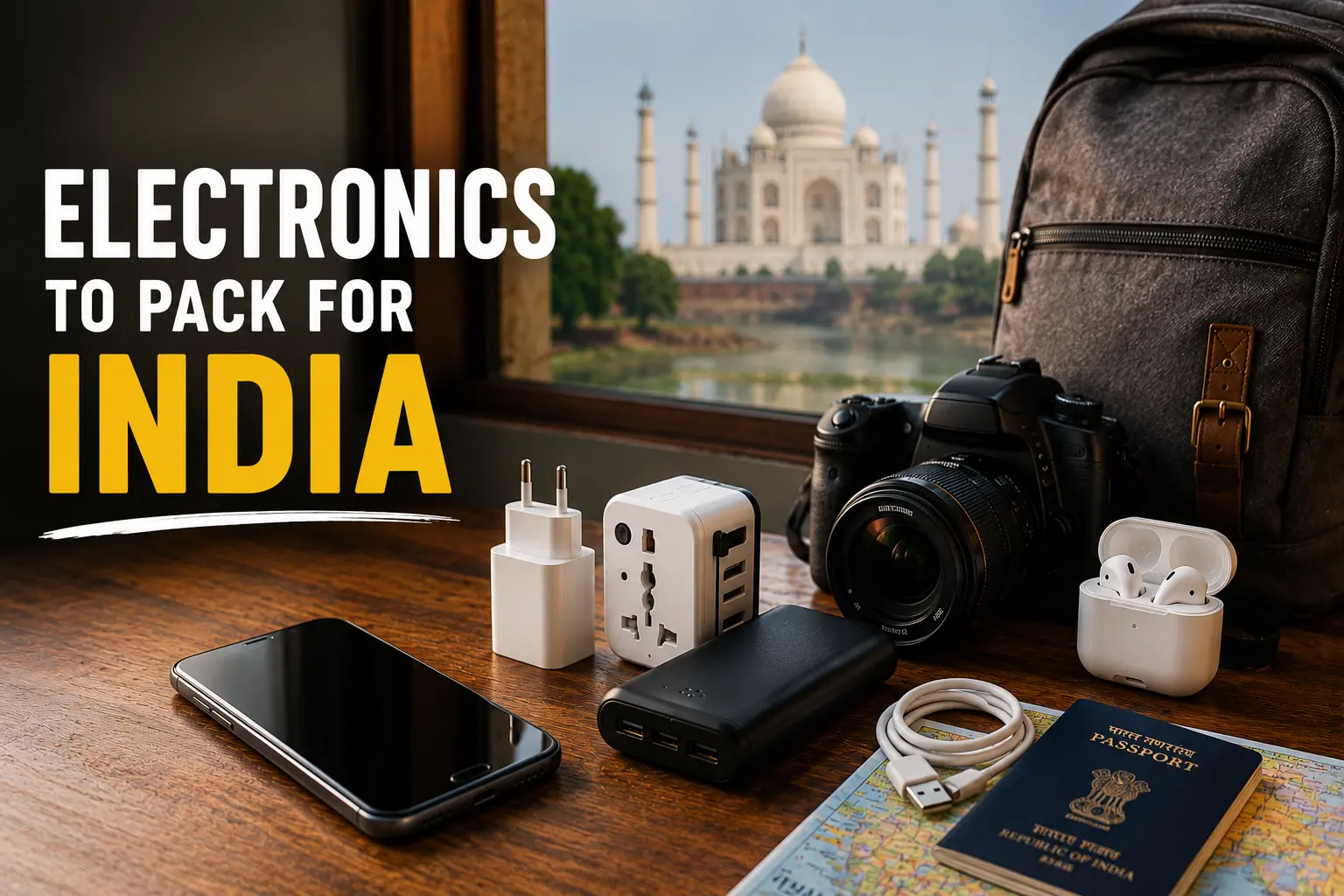
This guide covers every electronic item an international tourist actually needs in India — ranked by importance, with specific recommendations by country, honest notes on what gets damaged in India's power system, and a clear list of what to leave at home entirely.

Discover India's most spectacular wildlife destinations in this comprehensive 2026 safari guide. From the tiger reserves of Ranthambore and Bandhavgarh to Gir's Asiatic lions and Kaziranga's one-horned rhinos, learn the best time to visit, safari planning tips, and everything you need for an unforgettable wildlife adventure across India.
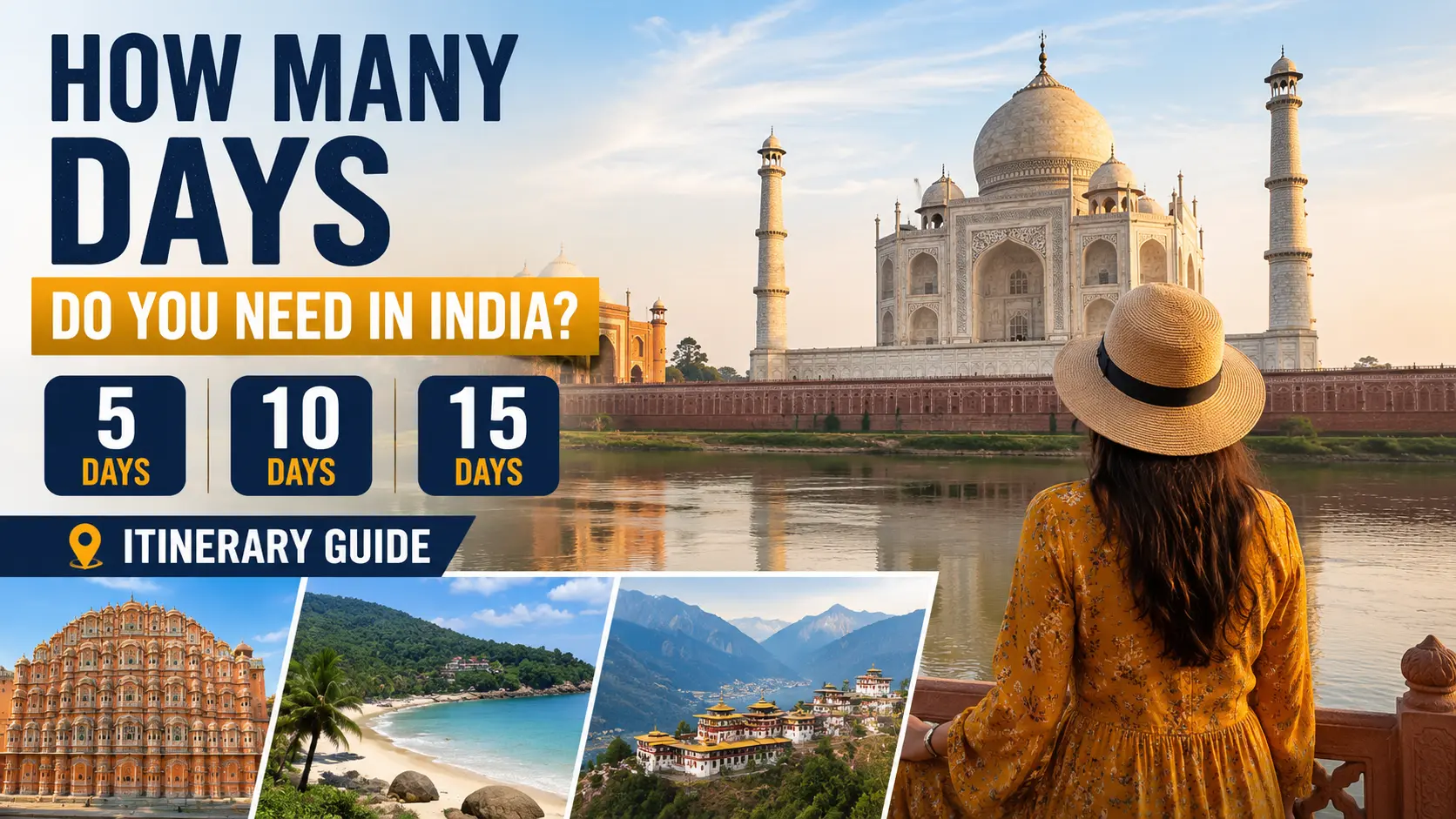
"Mukesh, how many days do I actually need in India?" It is the question that arrives in my WhatsApp from New York, London, Toronto, Berlin, and Paris — sometimes at very strange hours. And after ten years of designing India itineraries for hundreds of international guests, I have one consistent answer: Whatever number you have planned — add two more. This guide tells you exactly why — and gives you the honest, experience-based breakdown for 5, 10, and 15-day trips, with complete day-by-day itineraries for each.
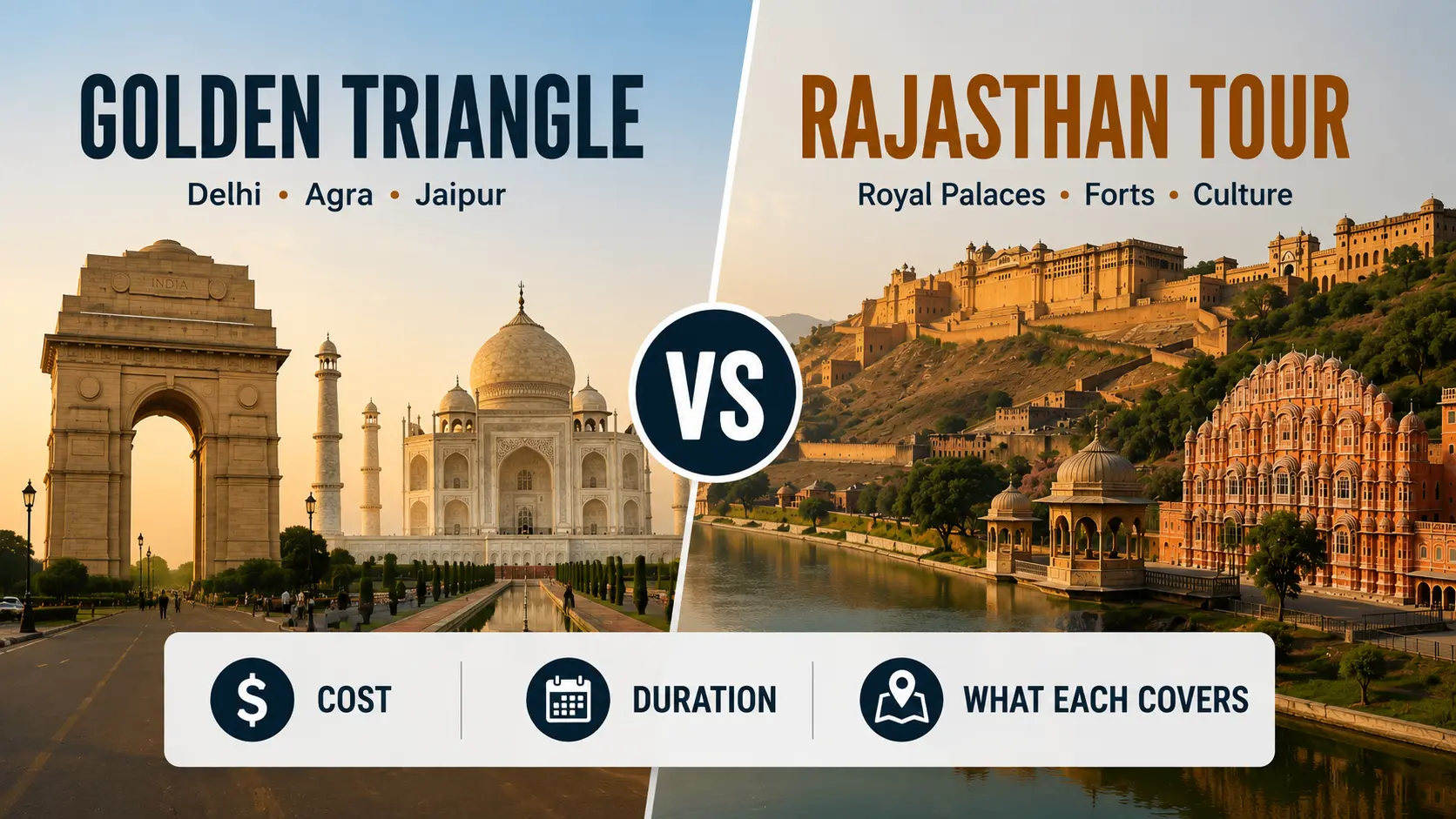
The Golden Triangle and Rajasthan are not competing tours —they are two chapters of the same story. One gives you the Taj Mahal and Mughal grandeur in 5 to 7 days. The other takes you deeper into desert forts, lake palaces, and camel safaris. This guide tells you which is right for your trip.

Is India actually safe for a woman traveling solo? An honest, no-fear-mongering guide with real precautions, the safest regions to start with, and what to expect — from a Jaipur-based tour guide who's guided hundreds of solo female travelers.